Du 17 juin au 30 août 2026, Tanger abritera un nouveau festival dédié à la photographie, le Tanger Photo. Un rendez-vous international rendant hommage à l’histoire de ce médium autant qu’à l’héritage artistique de la ville du Détroit. Pour cette édition inaugurale, Brahim Alaoui, directeur artistique du festival, livre son regard sur la scène locale et présente les singularités de ce rendez-vous inédit.
En 2026, la photographie célèbre ses 200 ans et produit des images à profusion… Quel regard portez-vous sur cet héritage artistique ? Comment se porte la scène photographique marocaine ?
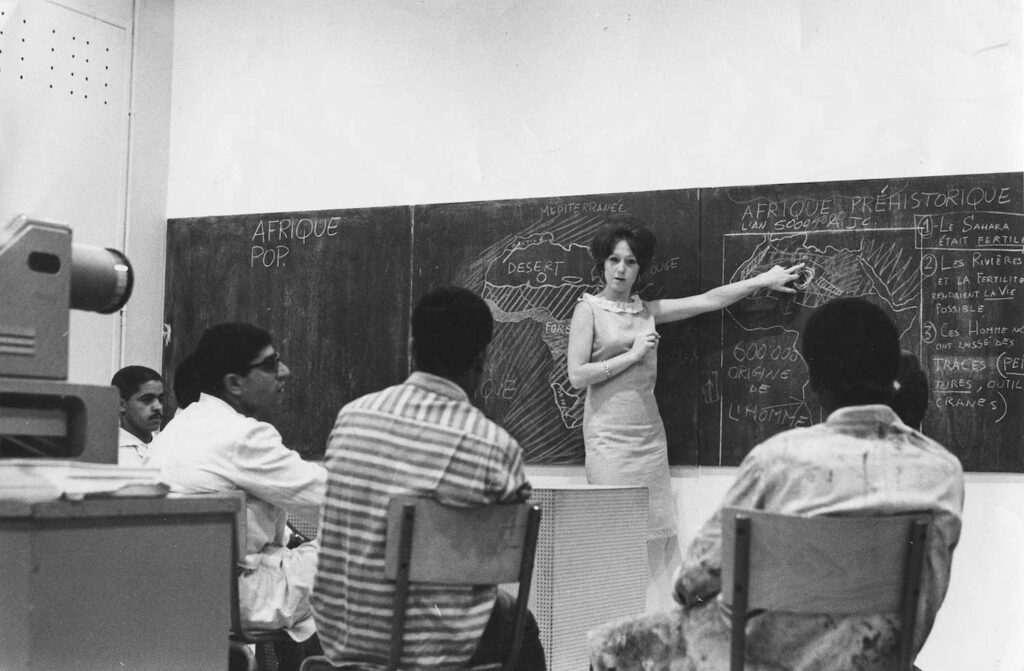
Tanger et la photographie sont intrinsèquement liées depuis le XIXe siècle, avec l’arrivée des premiers photographes européens et l’installation des studios à partir de 1870. Au XXe siècle, les photographes marocains développent une approche artistique dite « humaniste » : une vision postcoloniale mêlant esthétique et identité, incarnée par des artistes tels que Daoud Aoulad-Syad, dont les œuvres résonnent profondément avec les réalités marocaines. Aujourd’hui, une nouvelle génération d’artistes explore divers champs de l’image et travaille en résonance avec les photographes marocains de la diaspora, à l’instar de Hassan Hajjaj – présenté à la Galerie Khalid Fine Arts – reconnu pour sa capacité à fusionner les influences de l’imagerie vernaculaire marocaine avec celles de la culture pop contemporaine. Ces dialogues artistiques, à la fois locaux et globaux, témoignent de la vitalité et de la richesse de la photographie marocaine contemporaine.
En dépit de cette vitalité, la photographie peine à être reconnue comme un art majeur sur la scène locale. Un nouveau festival est-il pertinent dans ce contexte ?
Pour que la photographie s’épanouisse durablement, il est crucial que les autorités mettent en place des institutions dédiées à la formation professionnelle et à l’acquisition d’une culture visuelle. En soutenant cet écosystème, la photographie pourra être reconnue comme un art à part entière, capable d’interroger les réalités, de susciter des réflexions et de rassembler les communautés autour de récits visuels qui reflètent leurs expériences et leurs aspirations.
Notre festival souhaite créer un espace dynamique de réflexion et d’échanges autour des enjeux contemporains de la photographie et des évolutions des images. Ce sont non seulement des moyens d’expression artistiques, mais aussi des outils puissants de communication, qui peuvent relier les individus et les cultures.Concrètement, que souhaitez-vous transmettre avec ce nouveau rendez-vous ? À qui s’adresse Photo Tanger ?
Le festival est profondément enraciné dans son contexte local tout en étant résolument ouvert sur le monde. Il aspire à explorer des perspectives nouvelles et à favoriser des échanges interculturels en présentant les œuvres d’artistes tant établis que émergents, provenant aussi bien du Maroc que d’ailleurs. Le festival s’inscrit ainsi dans une démarche visant à révéler les mutations de notre société contemporaine.
Photo Tanger se donne également pour mission d’aller à la rencontre d’un large public en offrant une variété d’activités, notamment des expositions, des ateliers de pratique photographique et des rencontres avec les artistes. Le festival est né d’une mobilisation collective. La Wilaya de Tanger, le ministère de la Culture, le CCME et la Fondation nationale des musées soutiennent nos projets artistiques et programmes de formation et de médiation. Les fondations Alliances et TGCC apportent un appui crucial. Cette synergie témoigne d’un véritable engagement pour faire de la culture un levier de développement partagé. Avec cette vision, Photo Tanger aspire à devenir un rendez-vous incontournable dans le paysage culturel marocain.
Comment s’est opérée la sélection des artistes et la conception du programme ?
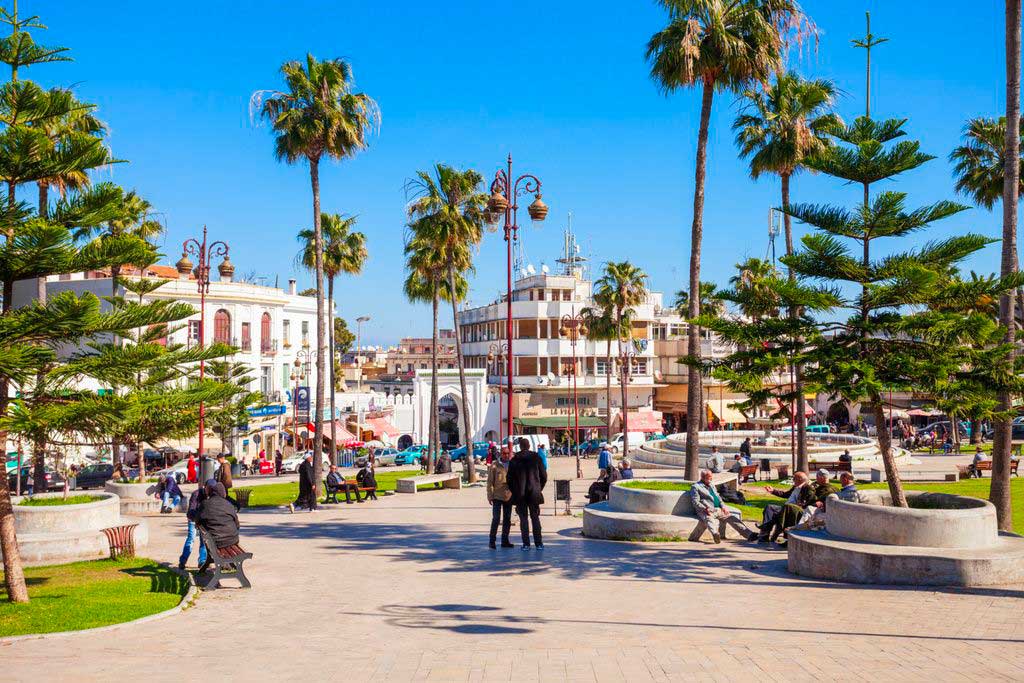
Photo Tanger se veut collaboratif et inclusif ! Il se déploie de mi-juin à fin août 2026 dans divers lieux culturels et espaces publics à travers la ville, créant ainsi un parcours artistique riche et transformant la ville en un véritable espace d’expression photographique. L’objectif : démocratiser l’accès à la photographie et intégrer l’art dans le quotidien. À la Marina, une dizaine de jeunes photographes proposeront une déambulation artistique dans cette zone très fréquentée. Nous créons ainsi une connexion vivante entre habitants, artistes et œuvres. Par ailleurs, chaque exposition est confiée à un(e) commissaire, garantissant ainsi une diversité de visions et la qualité des expositions. Néanmoins, toutes ces expositions s’articulent autour d’un même thème, pour assurer une cohésion et une dynamique entre les différentes propositions artistiques.Justement, pourquoi avoir choisi « L’appel du large » comme thème inaugural ?
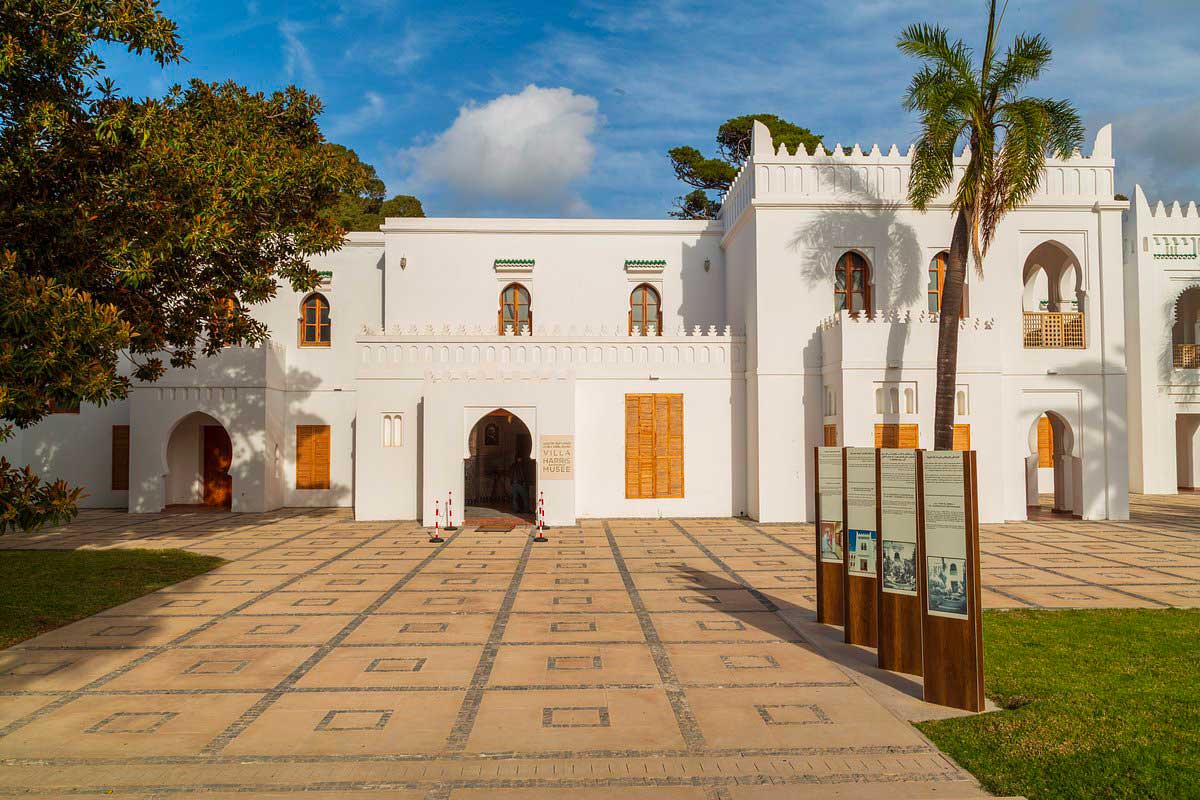
Ce thème rend hommage à Tanger, ville emblématique de l’ouverture sur la Méditerranée et du voyage, et terre d’inspiration, attirant des artistes et des écrivains du monde entier. À la galerie Drissi – lieu phare de cette édition – l’exposition principale réunira des photographes explorant le voyage sous tous ses angles : qu’il soit intérieur et émotionnel ou qu’il explore la découverte de l’autre. La Fondation pour la photographie retracera 150 ans de photographie tangéroise. Rachid Ouettassi, à la galerie Dar D’art, révélera les multiples visages de Tanger qu’il photographie depuis trois décennies. La galerie Kent présentera quatre femmes artistes du monde arabe dont les récits visuels mêlent énergie corporelle et voyage émotionnel. Photo Tanger ambitionne ainsi de célébrer l’identité singulière de la ville.
De plus, pour sa première édition, le festival Photo Tanger mettra à l’honneur l’Espagne, en reconnaissant les liens historiques et culturels qui unissent les deux pays. Au Centre Cervantes de Tanger, une rétrospective consacrée à Isabel Munoz, sera exposée, permettant de découvrir une œuvre sensible et puissante d’une figure majeure de la photographie espagnole.Cette célébration passe-t-elle par des expositions photographiques stricto sensu ou ne peut-on désormais plus faire l’économie d’une exploration de l’image au sens le plus large ?
Les frontières entre les différents médiums deviennent de plus en plus fluides, incitant de nombreux photographes à s’orienter vers l’image animée sans renier leur pratique photographique traditionnelle. L’enjeu est donc d’élargir et de réinventer leur champ d’expression artistique.
Dans le monde arabe, certains tels que Daoud Aoulad-Syad et Mounir Fatmi du Maroc, Youssef Nabil d’Égypte et Ali Chéri du Liban, entretiennent des liens étroits avec le cinéma, nourrissant ainsi leur œuvre par des dialogues intermédiatiques. Photo Tanger prévoit un cycle de films, sous la direction du producteur et réalisateur Jamal Souissi, qui explore ces interactions fécondes, tout en favorisant une réflexion sur les questions identitaires, sociales et culturelles qui animent le monde arabe.
Houda Outarahout
From 17 June to 30 August 2026, Tangier will host a new festival dedicated to photography: Tanger Photo. An international event paying tribute both to the history of the medium and to the artistic legacy of the city of the Strait. For this inaugural edition, the festival’s artistic director Brahim Alaoui shares his perspective on the local scene and outlines the distinctive features of this unprecedented gathering.
In 2026 photography celebrates its 200th anniversary and produces images in abundance… How do you view this artistic heritage? How is the Moroccan photographic scene doing?
Tangier and photography have been intrinsically linked since the nineteenth century, with the arrival of the first European photographers and the establishment of studios from the 1870s onward. In the twentieth century, Moroccan photographers developed what is often described as a “humanist” artistic approach: a postcolonial vision combining aesthetics and identity, embodied by artists such as Daoud Aoulad-Syad, whose works resonate deeply with Moroccan realities.
Today, a new generation of artists explores diverse fields of the image and works in dialogue with Moroccan photographers abroad, such as Hassan Hajjaj — recently presented at Galerie Khalid Fine Arts — renowned for his ability to merge Moroccan vernacular imagery with contemporary pop culture. These artistic exchanges, both local and global, testify to the vitality and richness of contemporary Moroccan photography.
Despite this vitality, photography still struggles to be recognized as a major art form locally. Is a new festival relevant in this context?
For photography to flourish sustainably, it is crucial that public authorities establish institutions dedicated to professional training and the development of visual literacy. By supporting this ecosystem, photography can be recognized as a full-fledged art, capable of questioning reality, stimulating reflection, and bringing communities together around visual narratives that reflect their experiences and aspirations.
Our festival aims to create a dynamic space for reflection and exchange around contemporary photographic issues and the evolution of images. They are not only artistic forms of expression but also powerful communication tools capable of connecting individuals and cultures.
Concretely, what do you wish to convey with this new event? Who is Photo Tanger for?
The festival is deeply rooted in its local context while resolutely open to the world. It seeks to explore new perspectives and foster intercultural exchange by presenting works by both established and emerging artists from Morocco and beyond. In this sense, the festival aims to reveal the transformations shaping our contemporary society.
Photo Tanger also intends to engage a broad audience through a range of activities, including exhibitions, photography workshops, and meetings with artists. The festival was born from a collective mobilization. The Wilaya of Tangier, the Ministry of Culture, the CCME and the National Foundation of Museums support our artistic projects and training and mediation programs. The Alliances and TGCC foundations provide crucial backing. This synergy reflects a genuine commitment to making culture a lever for shared development. With this vision, Photo Tanger aspires to become a key event in Morocco’s cultural landscape.