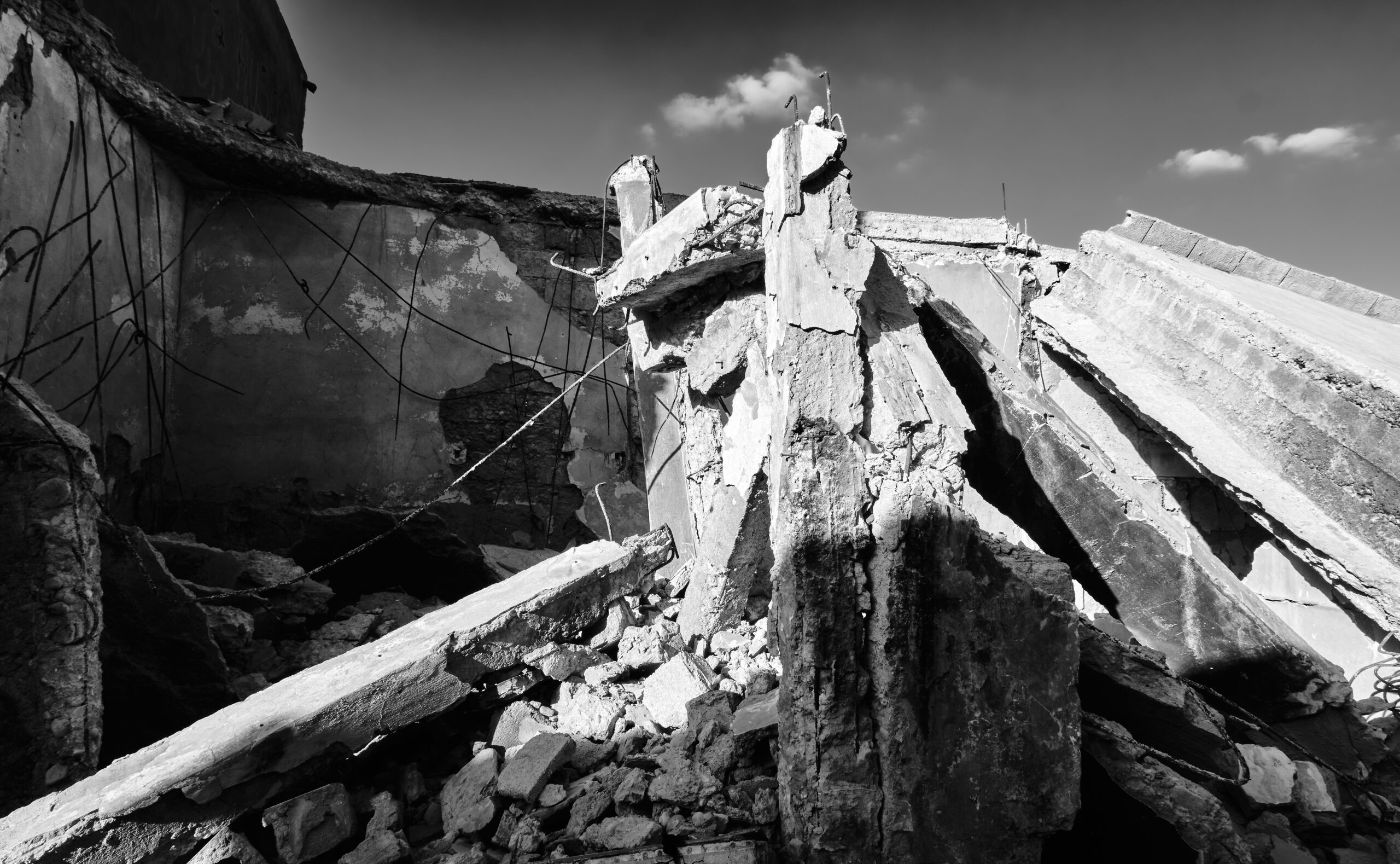
What does a young artists’ award reveal when it no longer merely recognizes artists, but seeks to map out the contemporary young art scene? With “Momentum,” the sixth edition of the Mustaqbal Prize, the TGCC Foundation brings together fifteen artists aged 18 to 35 at the Artorium, representing diverse backgrounds and training. Painting, photography, installation, sculpture, textiles, drawing, video, technological installations, and—for the first time in the prize’s history—sound art: the selection does not reflect a homogeneous aesthetic. Rather, it offers a snapshot of a generation.
By Salima El Aissaoui
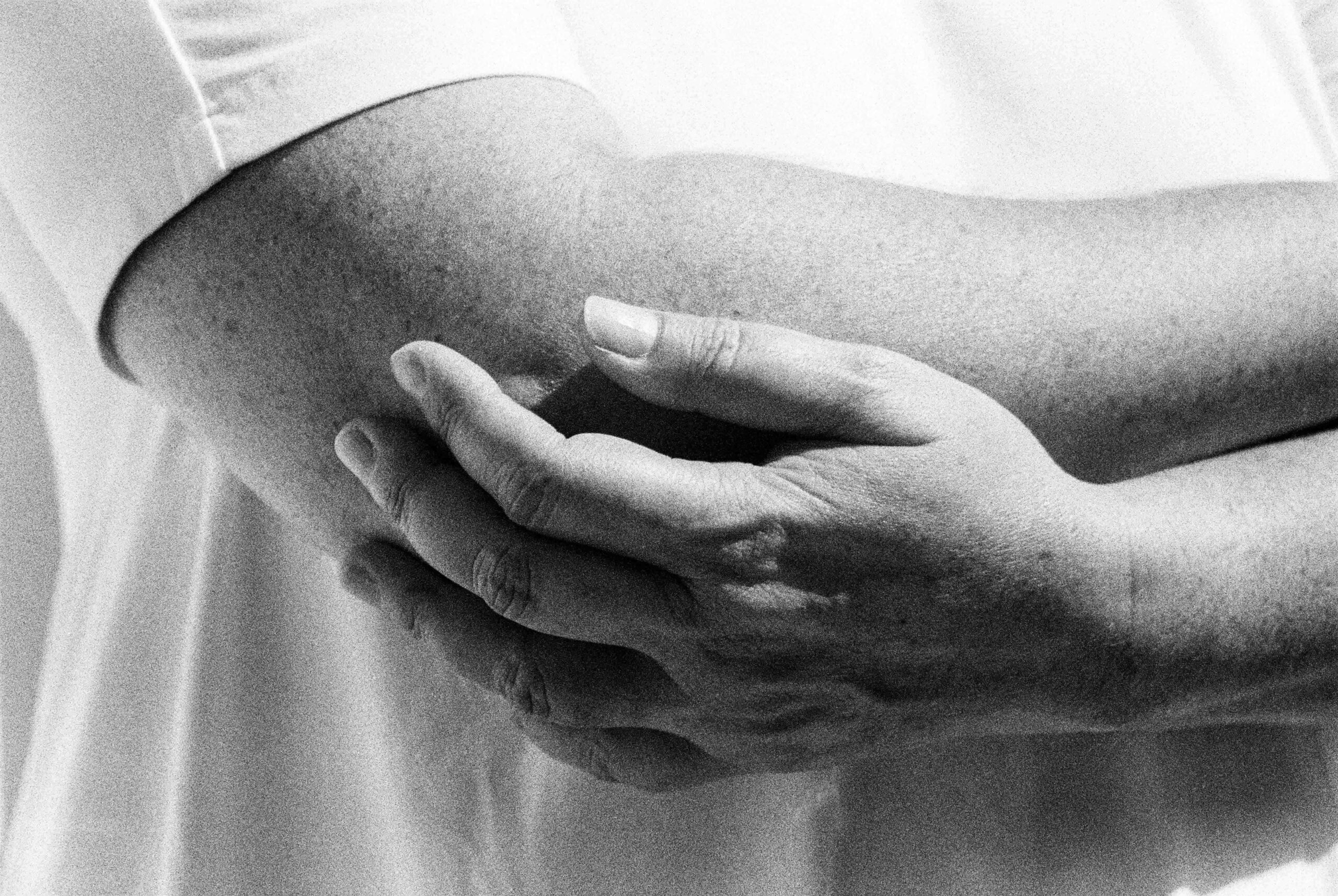
One thing, however, stands out immediately: the strong presence of artists with transnational careers. Several now live or work in Paris, Arles, Marseille, Montreal, Toronto, Brussels, or Milan. Karima El Karmoudi divides her time between Nice and Paris; Bahia Ourahou between Paris, Arles, and Rabat; Sfiya is based in Canada; Mohamed Mouhieddine works between Marrakech and Toronto; and Oualid Lazrak between Arles and Morocco. This growing presence of the diaspora speaks first and foremost to the renewed appeal of the Mustaqbal Prize.
The award thus serves as a point of reconnection with the Moroccan art scene for artists who have built their careers elsewhere. It is significant that some choose to return and situate their work within a Moroccan context: as if geographical distance did not necessarily mean a departure from the national art scene, but could, on the contrary, spark a desire to find a place within it.
Momentum
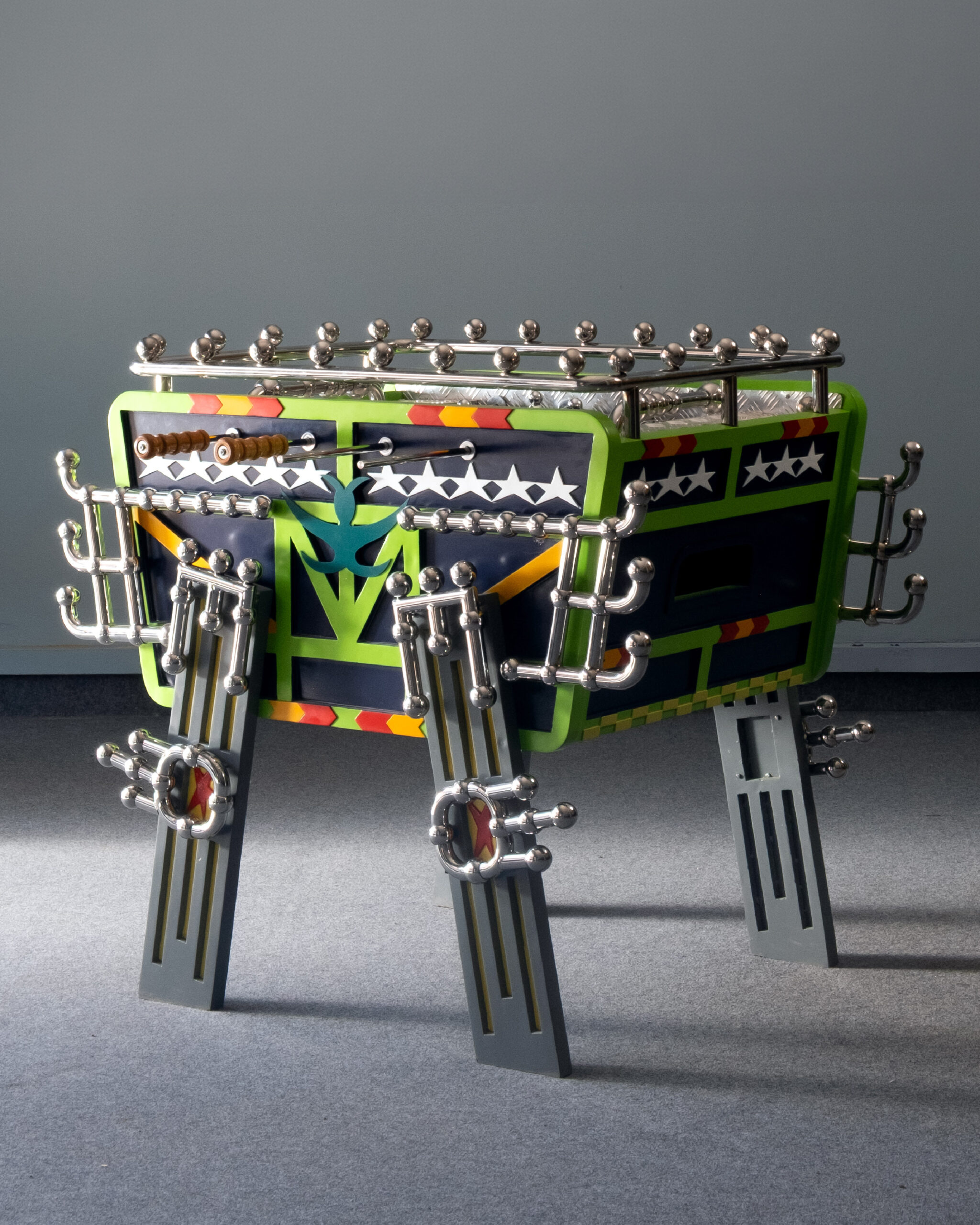
The title of the exhibition “ Momentum ” is, in this regard, less a theme than a proposition. In physics, momentum refers to the quantity of motion of a body, related to its mass and velocity. In common usage, the word also conveys the idea of momentum, of a dynamic that gains momentum. According to Othmane El Farsi, Head of Development and Heritage at the TGCC Foundation, this concept refers precisely to the moment when a practice gains momentum and begins to take shape as a trajectory. The choice reflects an award that is increasingly seen less as a simple competition and more as a support mechanism.
This year, this approach extends beyond the exhibition itself. The Mustaqbal Prize has partnered with the Ellipse Prize, whose sixth edition is being held in Morocco following previous editions in Côte d’Ivoire, Togo, Benin, Senegal, and Ghana. This partnership is intended to promote the mobility and movement of artists, notably through an exhibition in Paris followed by one in Casablanca for the winner of the first Prize. In addition, the partnership with the Montresso Foundation allows the winner to enjoy a residency at Jardin Rouge, and the TGCC participates annually in the 1-54 art fair, which is designed as an opportunity to connect artists with gallery owners and collectors. El Farsi also mentions the creation of a permanent space dedicated to showcasing, throughout the year, works by artists who have been part of the Prize. The concept of “momentum” thus also refers to the trajectory of the works after their creation: exhibitions, residencies, networking, collections, and international circulation.
Politics in the Private Sphere?
But what does this sixth edition of the young Moroccan art scene tell us? What can we make of this generation of young Moroccan artists? Abdellah Karroum, a member of the jury, notes a general depoliticization of the young art scene. This observation, he asserts, “ does not mean that issues of identity, memory, gender, or society have disappeared. On the contrary, they are omnipresent ”. But they are often approached from what might be called “ biographèmes ” : fragments of life, family memory, migration, legacies, grief, and a sense of belonging. The question, then, is less one of politics than of how the political manifests itself in individual lives. This trend indeed runs through ” Momentum ” Karima El Karmoudi draws on her parents’ oral accounts and vernacular materials to explore family memory and colonial heritage, Bahia Ourahou – who, incidentally, took home First Prize – connects territory, migration, and identity; Mohamed Mouhieddine draws on uprooting and loneliness; and Amine Reda explores intimate objects and spaces.
The scene is therefore not apolitical in the strict sense. Rather, it seems to have shifted the locus of politics: from the collective to the intimate, from broad social issues to personal narratives, from explicit demands to the traces that a historical, economic, or cultural context leaves on bodies and in memories. This is both its strength and its point of tension. For while individual narratives make it possible to bring to light experiences that have long been rendered invisible, they can also contribute to obscuring the structures that produce them.
Painting Without Hegemony
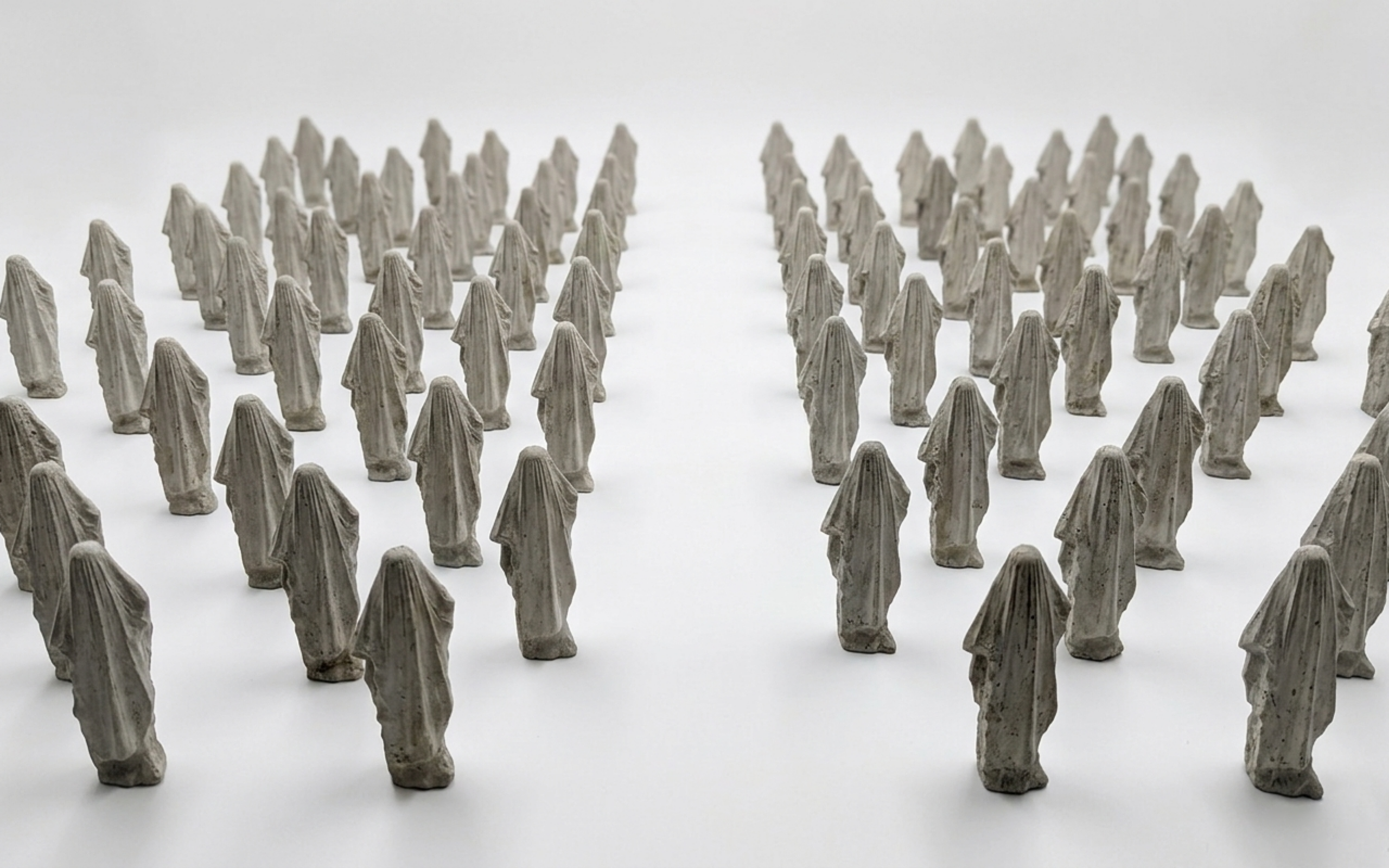
Looking at the fifteen works in the exhibition, one immediate impression stands out: the young Moroccan art scene does not seem to be seeking to define itself through a single dominant medium. Painting has certainly not disappeared. In fact, it remains very much present, notably through artists such as Naoual Bazzi, Mohamed Boumhaoud, and Sfiya. But it no longer appears to be the self-evident language of artistic practice. In Bazzi’s work, oil painting becomes a venue for reflection on the transformations of the sacred, ritual, and desire in a consumerist society, while in Boumhaoud’s work, realism is infused with symbolic and poetic dimensions. It would therefore be artificial to speak of a mere ” Back ” of painting. What seems more like “ return ”is the possibility for painting to coexist with an art scene that has long since incorporated the achievements of installation art, photography, and conceptual practices.
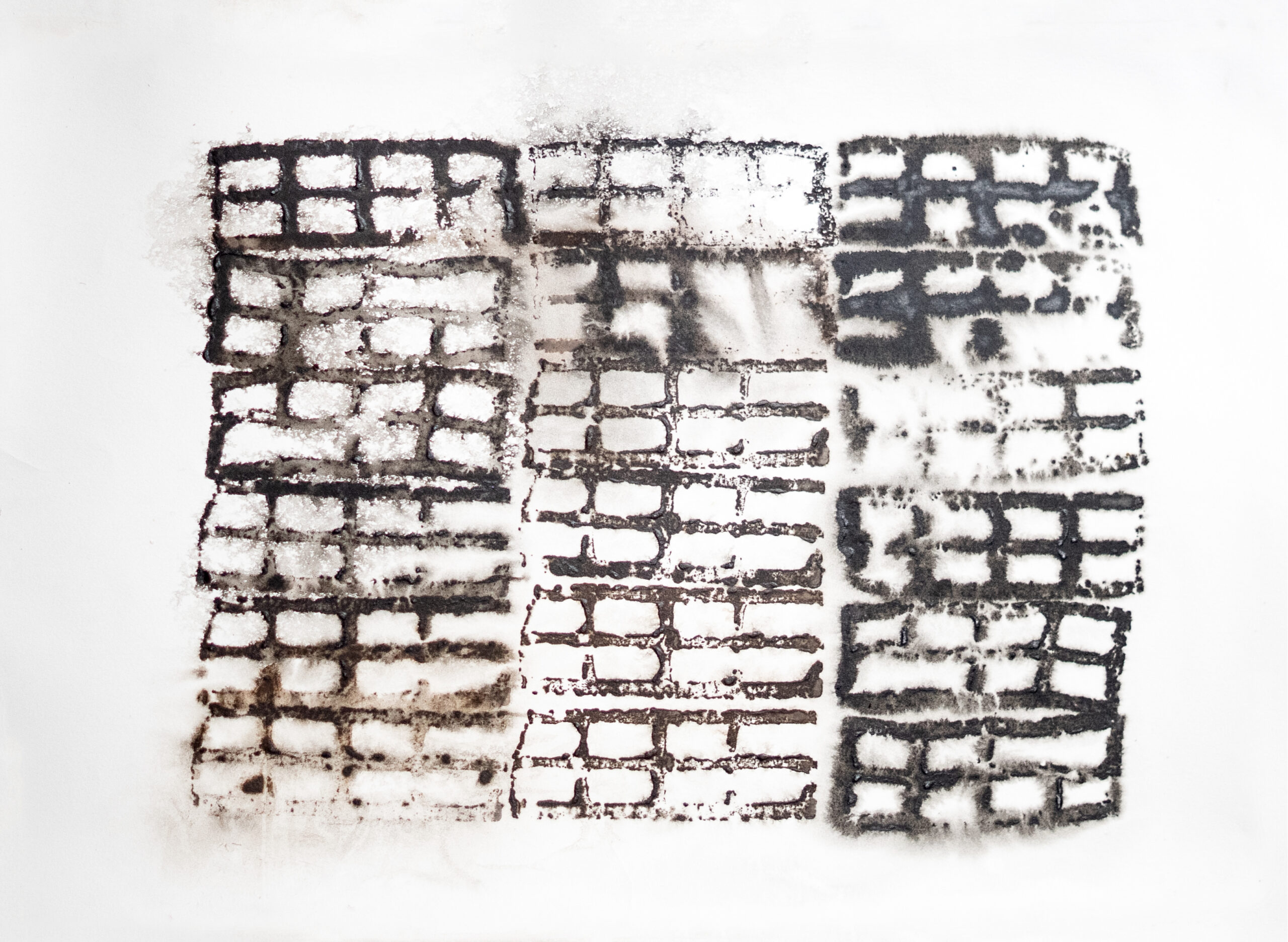
The conceptual aspect is, in fact, very much present, though not in the form of a purely speculative exercise. It manifests itself through materials and a network of reflexive operations. Houssam El Belrhiti, who received the 2nd Prize, works with bricks, casting, and industrial processes to examine standardization, reification, and dehumanization. Oualid Lazrak combines photography, computer science, and the history of Islamic optical knowledge, while Basma Mansour creates “ speculative models ” centered on the institutional mechanisms of visibility and the commodification of otherness. Youssef Es-Sousy, for his part, transforms objects and materials from the maritime world into symbols through which to reflect on borders, sovereignty, and crossing.
The sound enters the frame
Photography, for its part, remains particularly prominent. It continues to be a favored medium of the younger generation—not so much to document reality as to explore the personal, the local, and the very conditions under which images are produced. Ali Ed-Dahbi thus constructs dystopian and contemplative landscapes centered on time and impermanence.
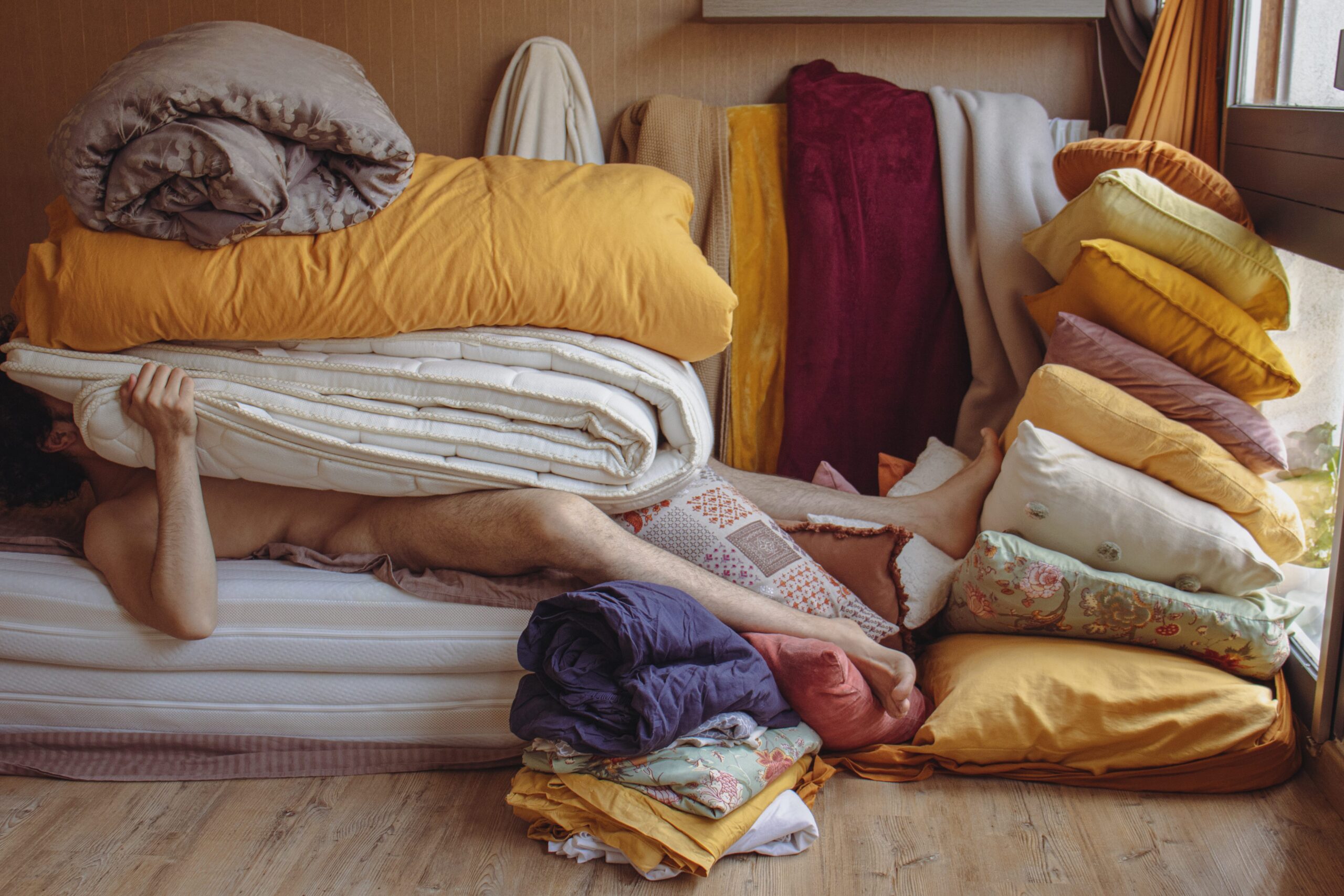
Perhaps the most significant shift in this edition is the emergence of sound. Leila Bencharnia and Mohamed Khamaily, in particular, treat sound no longer as an accompaniment to the image but as a medium in its own right. In Hadra, Bencharnia explores the ways in which women transmit memory through voice, rhythm, textiles, and gesture; the work takes the form of an ultra-minimalist embroidered diptych accompanied by sound. In Khamaily’s work, the overlooked sound phenomena of the urban landscape merge with research on waste, materials, and the memory of objects. The expansion of the Prize to include sound thus appears less as an artificial diversification than as a sign of a broadening of the very definition of the artistic work.
” Momentum ” does not, therefore, offer a definitive portrait of young Moroccan art. A selection of fifteen artists cannot claim to be fully representative. But it does reveal a moment: that of a generation on the move, from one capital to another, from one continent to another, shifting from painting to sound, from craftsmanship to computational intelligence, from family archives to industrial infrastructure. A scene—as Aliocha Tazi, who was awarded third prize, seems to put it—that is less concerned with choosing between tradition and modernity than with continually shifting their boundaries.
“Momentum,” the 6th edition of the Mustaqbal Prize, Artorium Art Space, September 17–October 31, 2026.