Diptyk: Art Seen from Morocco
Founded in Casablanca in 2009 by Meryem Sebti, Diptyk is a magazine devoted to modern and contemporary art from Africa and the Arab world. From its very first issue, it asked a question that has stayed with it ever since: is there such a thing as contemporary Arab art? More than seventy-five issues later, the question has broadened. How do we write art history from our own geographies? How do the archives, research and works resurfacing today complete, correct and sometimes contradict what we thought we knew about African and Arab modernities? And how do we, at the same time, document the scenes taking shape before our eyes?
Diptyk was born in Morocco and looks at the world from Morocco. This vantage point lies at the heart of its editorial project. As a magazine rooted in the scenes it covers, Diptyk has followed them for nearly two decades, staying close to artists, studios, exhibitions, institutions, biennials and the market. Issue after issue, it has built its own archive of artistic life in Morocco, Africa and the Arab world, while tracing its movements towards Europe, the Americas, the Gulf and the diasporas.
This historical depth allows Diptyk to hold together what is often kept apart: modernism and emerging practice, history and current events. The magazine revisits the generations and movements that shaped modern art scenes in Africa and the Arab world, examining their archives and the conditions of their rediscovery, while paying particular attention to the artists emerging today. The aim is not to set history against contemporary creation, but to understand the lineages, ruptures and omissions that connect them.
Situated at the crossroads of Africa and the Arab world, Diptyk also occupies a singular position. From the Maghreb to sub-Saharan Africa, from Dakar to Cairo, from Casablanca to Beirut, from the Gulf to the major international scenes, it brings into dialogue art histories that have until now been told separately.
Portfolios, profiles, in-depth interviews, exhibition reviews, investigations, archival features and art market analysis make up this reading. Its contributors include artists, curators, art historians, researchers and collectors, from the great figures of modernism to the new generations.
Published in print and digital editions, and extended by the Diptyk Podcast, the magazine seeks as much to report on the present as to help build its memory. A magazine made from the South, to understand the art of its time and take part in writing its history.
The team
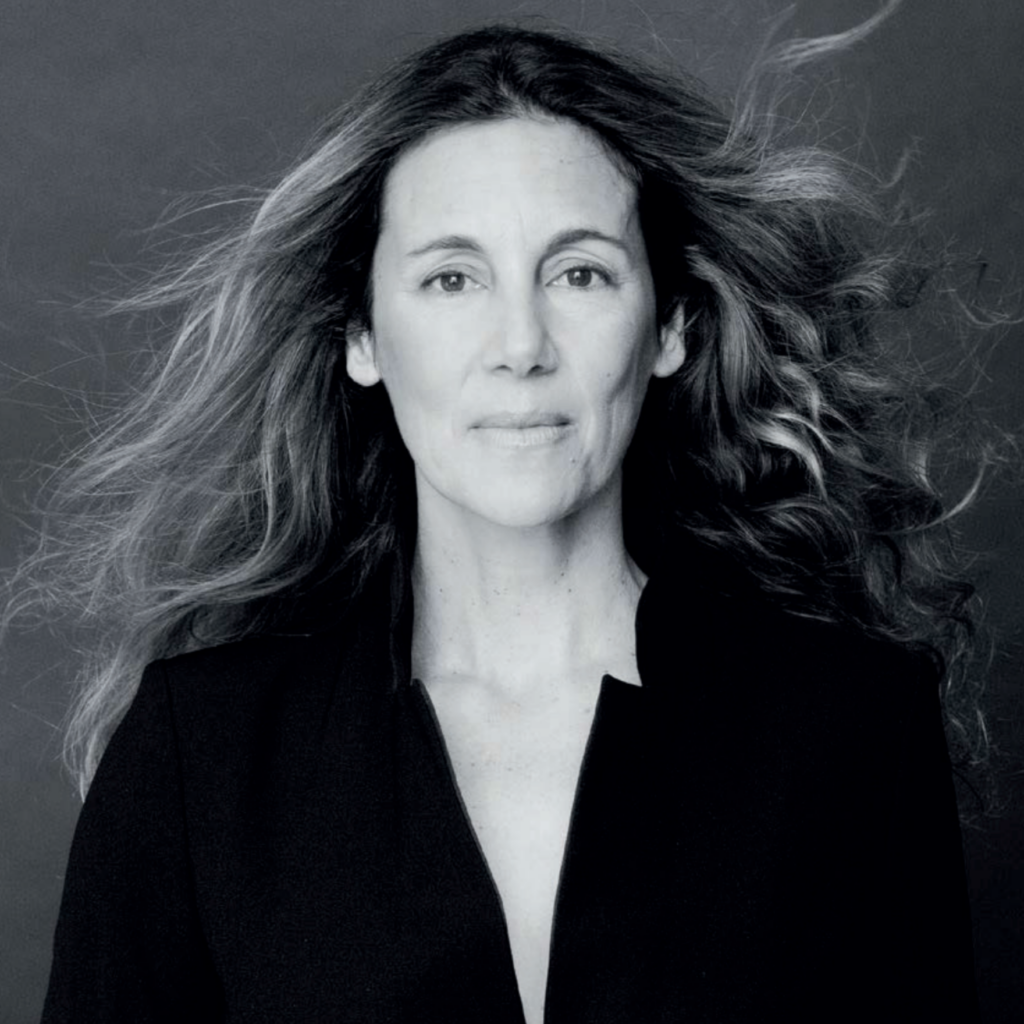
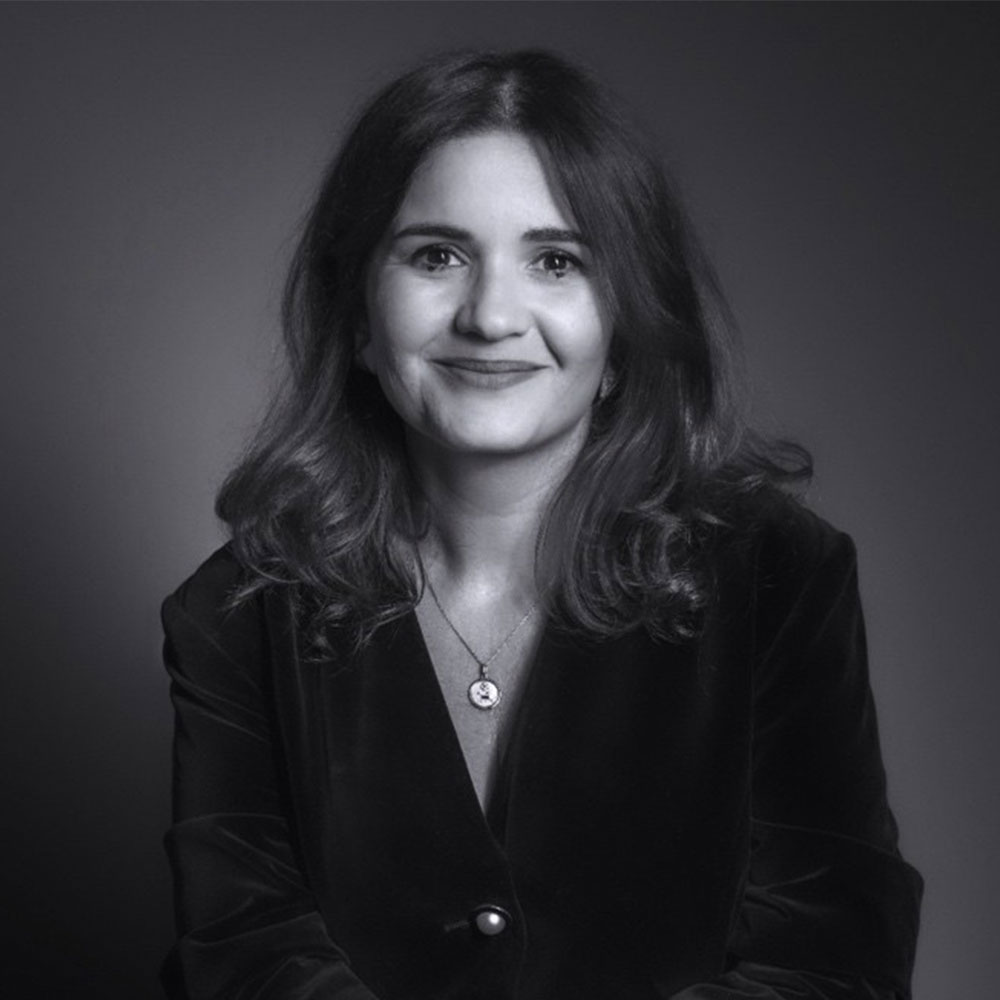
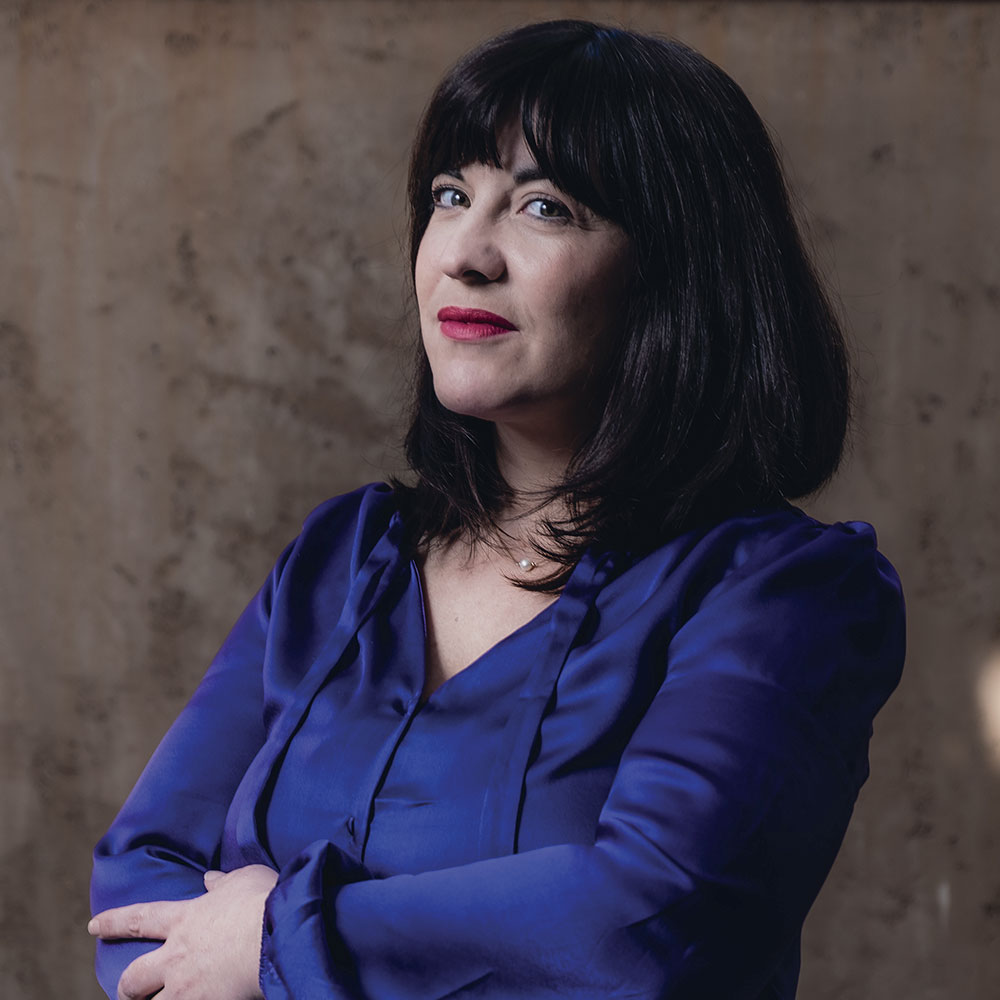
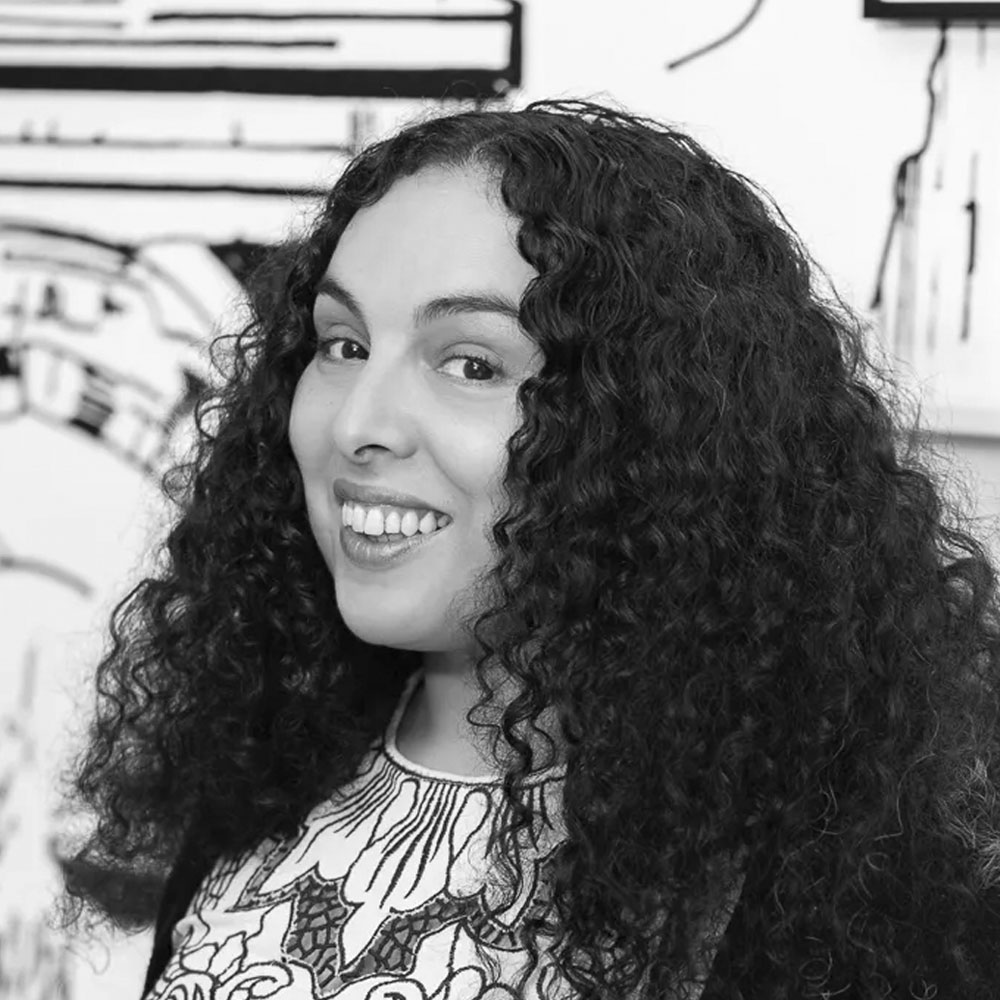
Meryem Sebti
Director of Publishing and Editorial Operations
Meryem Sebti has been the editor-in-chief of the contemporary art magazine DIPTYK (print and digital) since its founding in 2009. Born in Casablanca in 1971, she was awarded the Wissam Al Moukafaâ Al Wathania (Officer’s Class) by His Majesty King Mohammed VI in October 2014. Before founding DIPTYK, she held several positions in the national press, notably at La Vie Eco and the Journal Hebdomadaire, where she was part of the founding team in 1997–98. A graduate of the University of Paris X Nanterre with a degree in Modern Literature and Art History, she defended her master’s thesis in Classical Literature there, titled “Tacitus and the Barbarian Frontier ” (1993), building on research conducted during archaeological excavations at Dchar Jdid.
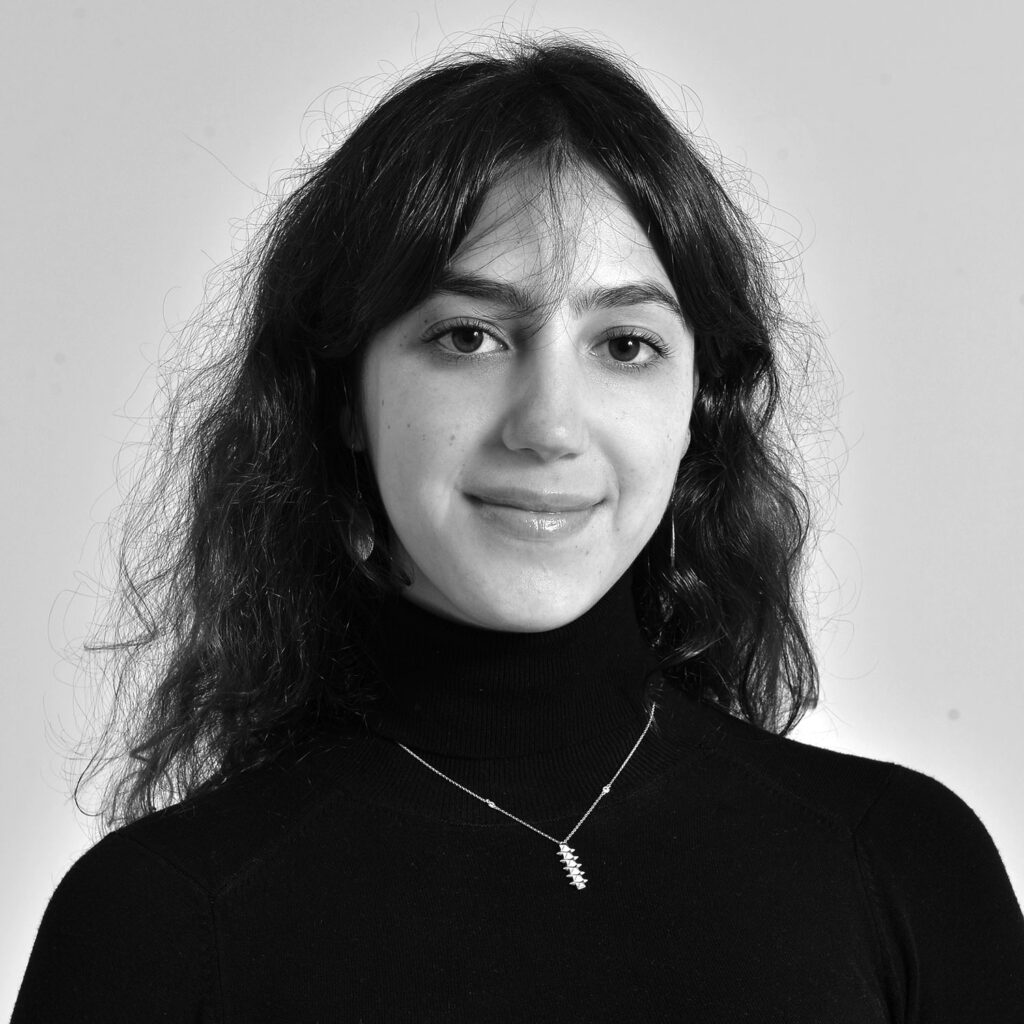
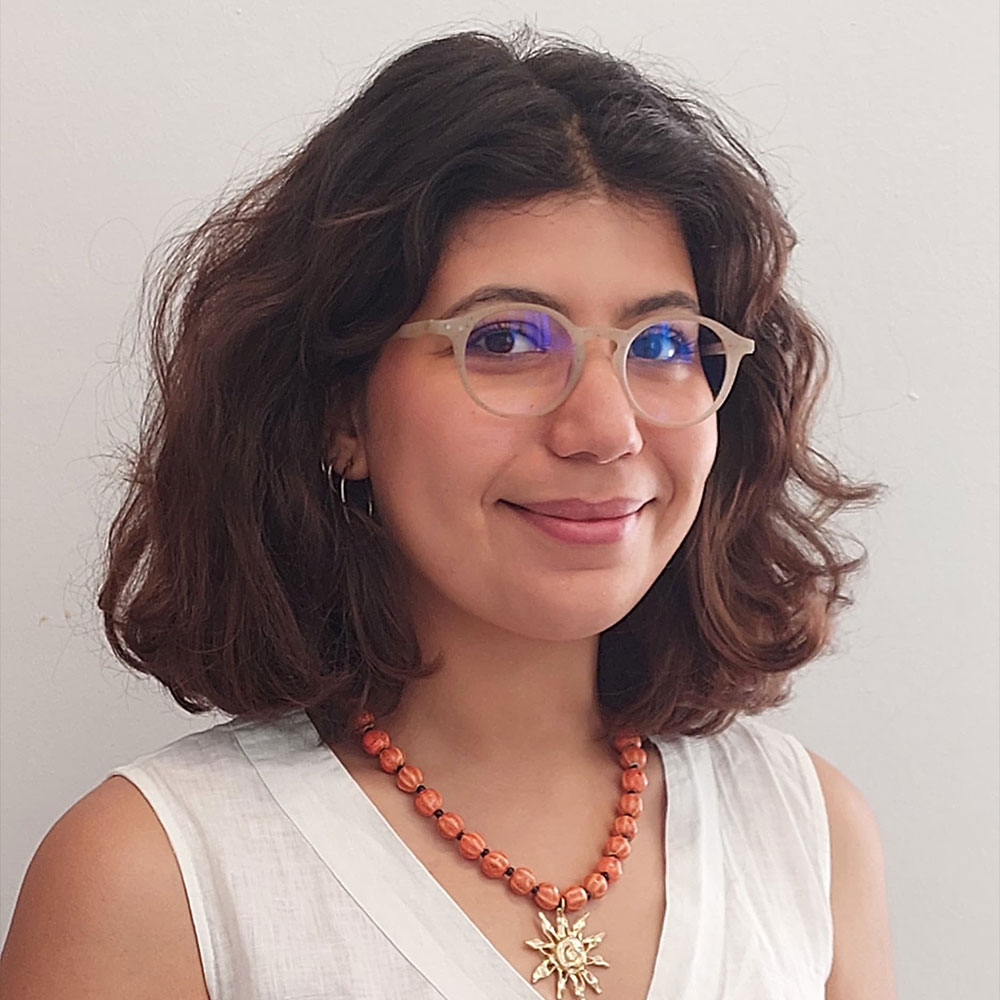
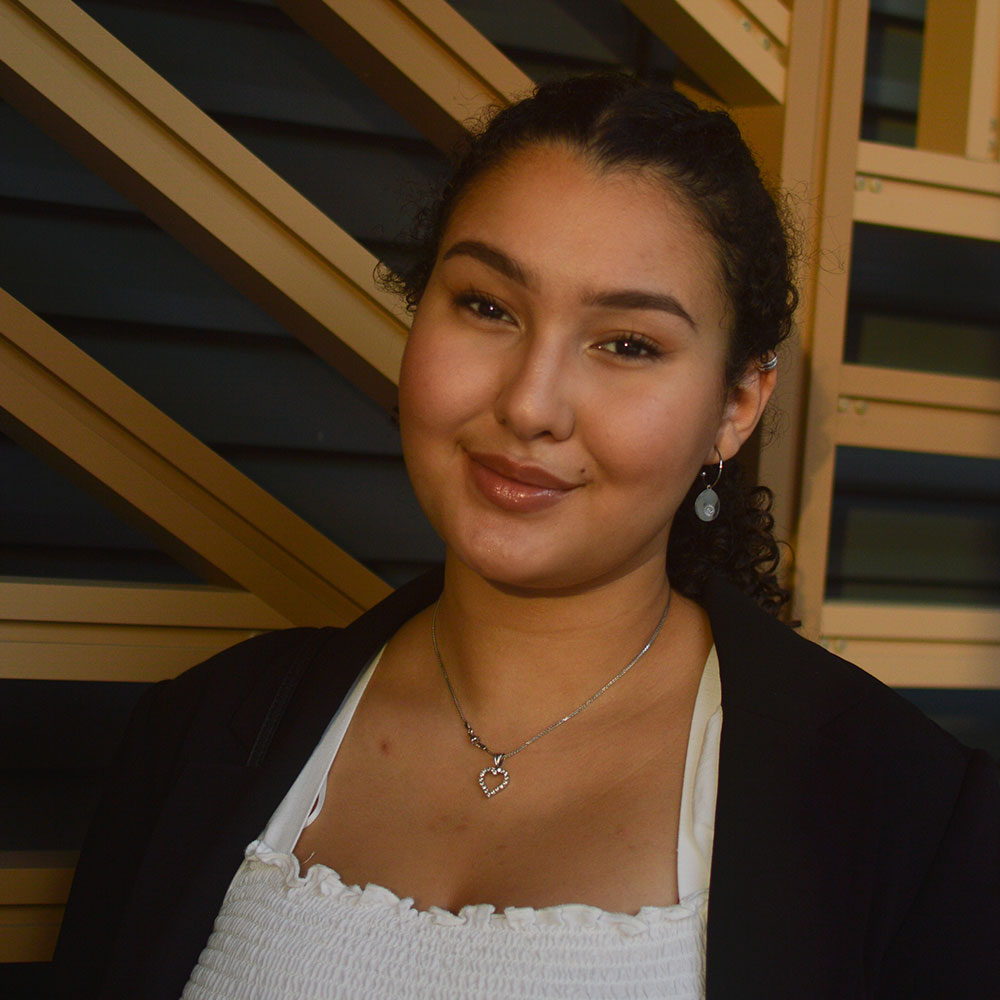
Malak Yacoubi
Business Development and Digital Strategy
Trained in business and digital strategy, with a thesis on the contemporary art press, Malak Yacoubi spent three years in Dubai working in strategy consulting before joining Diptyk in 2026. She is now in charge of business development and digital strategy.
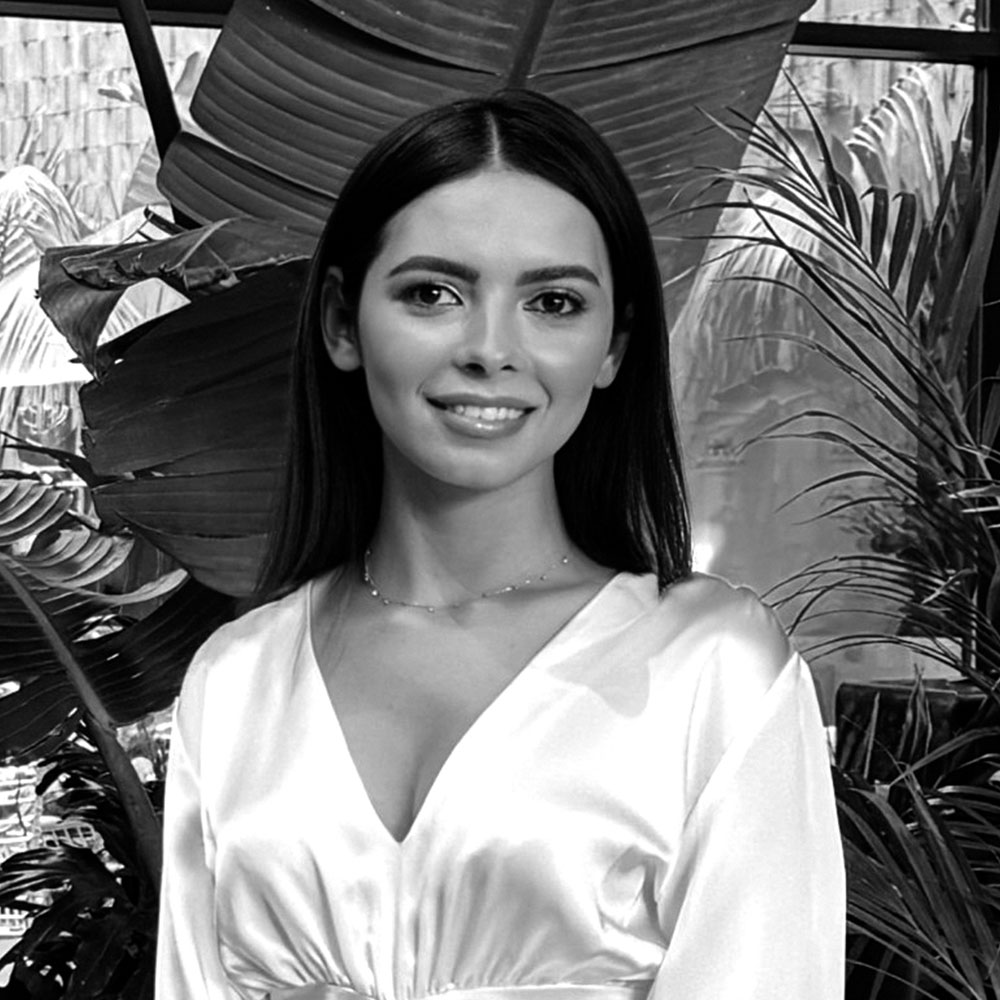
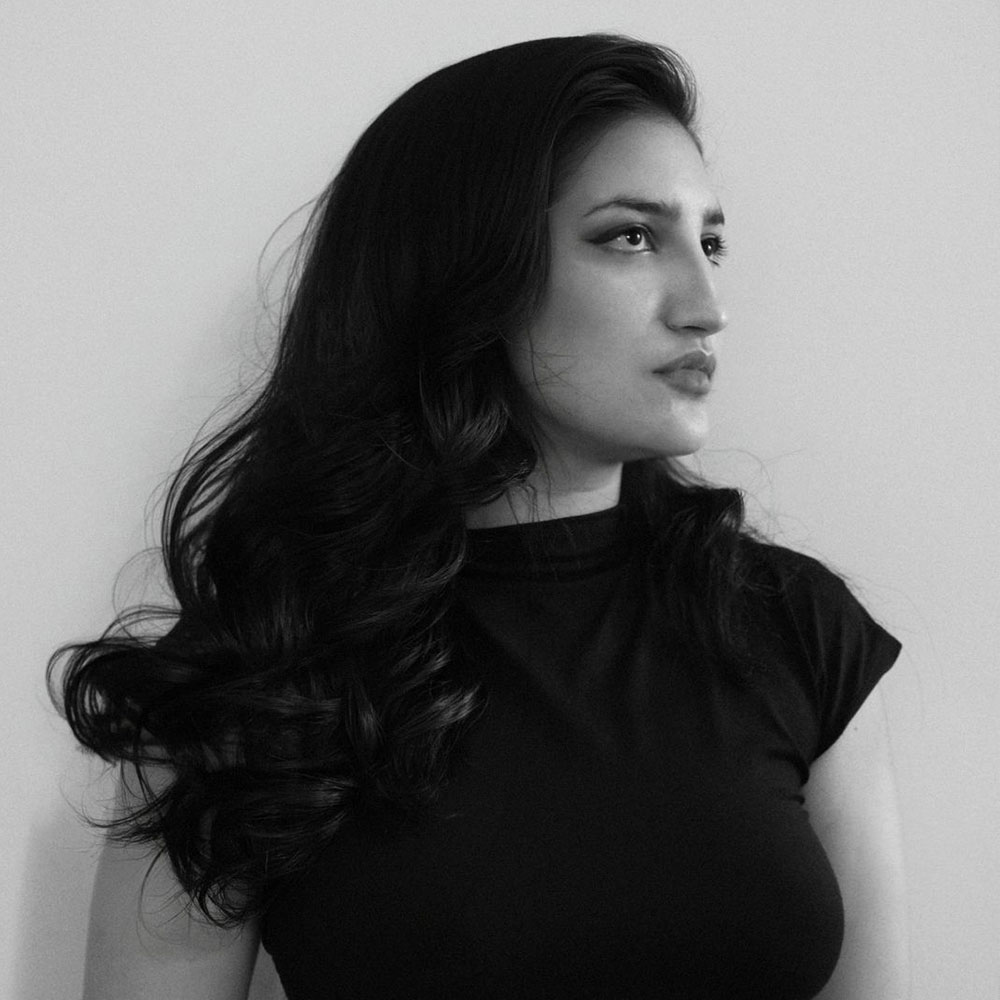
Fadwa Elahrache
Administrative and Financial Manager
With a degree in finance, Fadwa El Ahrache joined Diptyk in 2021. She oversees financial matters while helping to develop strategic partnerships with institutions, brands, and key players in the arts community, both in Morocco and internationally.
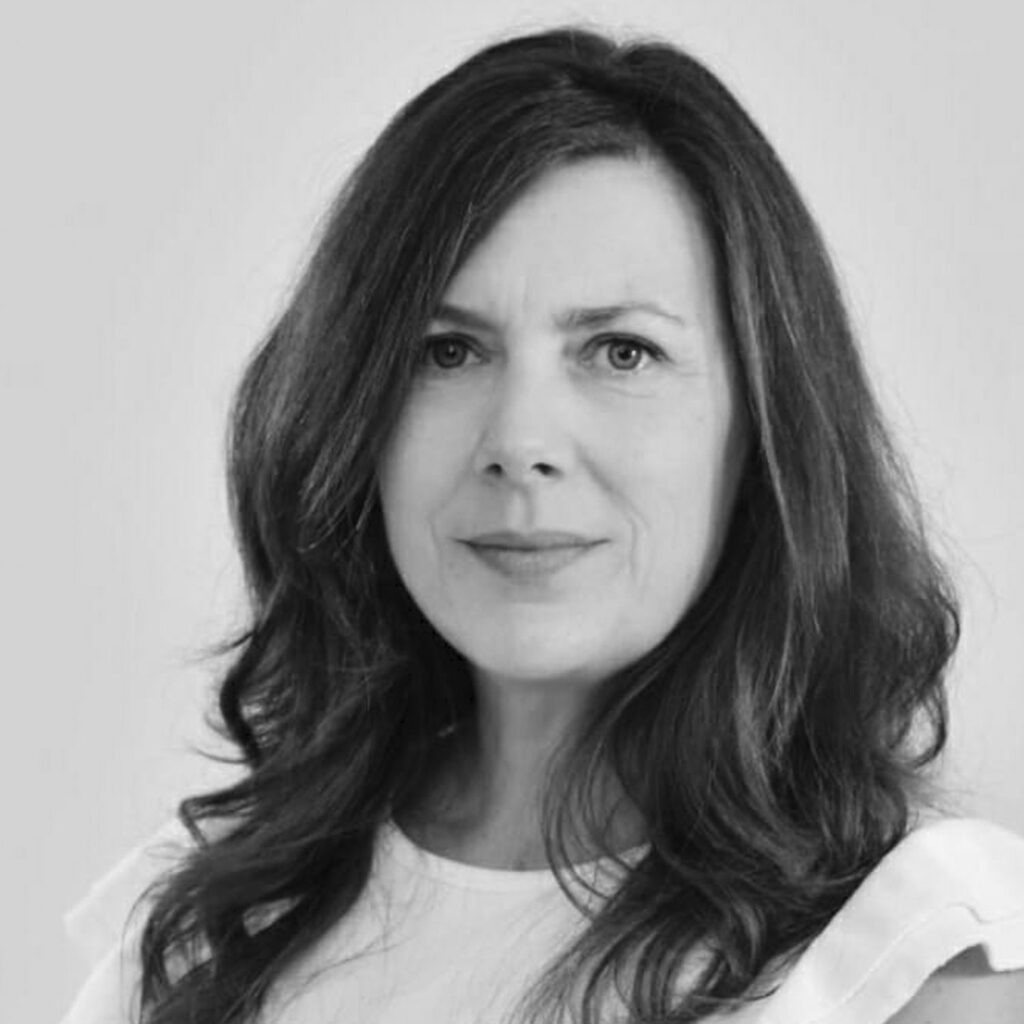
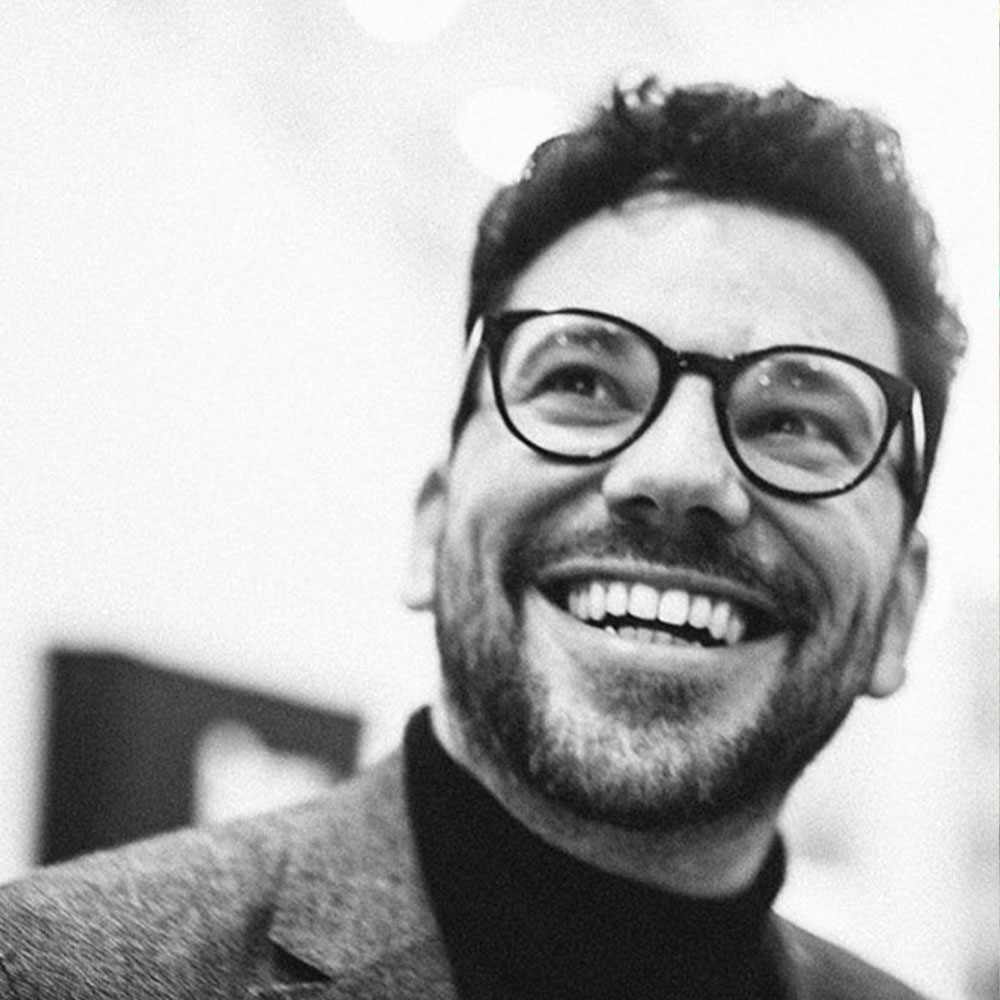
Laetitia Dechanet
Editor-in-Chief
Laetitia Dechanet has been the editor-in-chief of Diptyk for over ten years. After majoring in literature in college, she went on to study journalism at the Institut français de Presse (Paris). Based in Morocco since 2009, she has worked as an editor and editorial secretary for various national magazines such as Le Journal hebdomadaire, TelQuel, and Zamane. At the same time, she trained as a parenting coach and advocates for an empathetic approach to children, convinced that a more just world requires an education that better respects the rights and needs of tomorrow’s adults.
Emmanuelle Outtier
Digital Content Manager
Emmanuelle Outtier studied literature and history before turning to cultural journalism. She has worked with the Franco-German channel Arte and the daily newspaper *La Croix*, among others, before moving to Morocco in 2015, where she joined *Diptyk* magazine. An expert on the art scenes in Morocco, Africa, and the Arab world, she covers contemporary art news, major exhibitions, and shifts in the cultural landscape. She is currently the editor-in-chief of the digital edition of diptykmag.com.
Sophie Goldryng
Artistic Direction
After 15 years working for various media outlets, Sophie Goldryng joined a graphic design studio for five years, where she worked on, among other things, designing layouts for *Le Monde*, *Connaissance des Arts*, and *Le Journal* (Morocco).
In 2009, she founded a graphic design firm in Morocco, which has contributed to the design of numerous newspapers (Diptyk, Les échos, Zamane, Al Akhabr, L’observateur) and redesigned the layout of existing newspapers (Le Soir, Femmes du Maroc, Nissae…).
Diptyk is the only magazine she continues to layout herself for every issue, personally overseeing every adjustment, from the typography to the finest details.
Fatine El Kharrim
Graphic Designer and Community Manager
Fatine Elkharrim is a graphic designer and community manager. A graduate of the École Supérieure des Arts Visuels in Marrakech, she works on projects in editorial design, visual communication, and digital publishing, with a particular interest in contemporary art and cultural practices.
The Authors
Olivier Rachet holds an agrégation in modern literature and is certified in film and audiovisual studies. He currently contributes to various newspapers, magazines, and journals, including Artpress, The Art Newspaper, and Les Cahiers de Tinbad. He has contributed to anthologies on cinema (including *Abdellatif Kechiche: Un cinéma des sens*, published by Jacques Flament) and is preparing to publish his fifth book with Tinbad, an essay devoted to the choreographer Anne Teresa De Keersmaeker.
Chama Tahiri Ivorra is an artistic director and freelance cultural journalist. Since 2012, she has been producing concerts, promoting artists, creating content, and supporting projects to tell a different story of emerging Arab and African creativity. In 2021, she opened NIYA, a vegan restaurant and cultural café in Casablanca. In her free time, Chama is involved in the education sector, gives lectures on the cultural industries, and advocates both on the ground and on social media. Social justice, feminism, and animal rights are among the causes closest to her heart.
Farah Sayem is a curator, researcher, and cultural practitioner based in Tunis. She explores the physical and political dimensions of urban and communal spaces, examining their social and cultural dynamics as tools for transformation and resilience in the face of neoliberalism. Since 2020, she has been developing cultural projects aimed at democratizing art in public spaces. She holds master’s degrees in product design and in social and solidarity management, and is currently a doctoral candidate at the Institute for Management Research at the University of Paris-Est Marne-la-Vallée – Gustave Eiffel.
Basma Mansour is a researcher and columnist who explores the dynamics between politics, aesthetics, and the art market, while examining the concepts of postcolonialism and cultural accessibility. A graduate of the National Institute of Fine Arts in Tetouan, as well as holder of two master’s degrees in art studies and visual arts from Jean Monnet University and Aix-Marseille University, she is particularly interested in the politicization of aesthetics and the commodification of cultural symbols in global art markets.
Shiran Ben Abderrazak is an author, an expert in the creative economy (UNCTAD/UNESCO), and a consultant in cultural development and Web3 technologies. He supports visual artists and projects in Brussels, Tunis, and Dakar. As co-founder of the Dar Eyquem artist residency, the MONO gallery, and the “Culture Sans Filtre” podcast dedicated to the visual arts, he contributes to Diptyk with articles on the art scenes of the MENA region and Africa, where his writing blends cultural economics and art criticism.
Magali Ohouens is an art historian and a doctoral candidate at the University of Paris 1 Panthéon-Sorbonne. Her research focuses on African arts and heritage from the 20th to the 21st century, with an emphasis on colonial and postcolonial studies. Her doctoral dissertation focuses on the history of museums, culture, and the arts in Ghana from the 1920s to the 1970s. She teaches contemporary art at the University of Paris 1 Panthéon-Sorbonne and the University of Paris Nanterre, as well as African arts at the École du Louvre.
Horya Makhlouf is an art historian, art critic, and independent curator. She is also the artistic coordinator and curator of special projects at the Palais de Tokyo. She writes for artists, art magazines, and art institutions. She has also contributed to the podcasts L’esprit critique (Mediapart), PQSD (Jeunes Critiques d’Art), and Verni(e)s (Projets Media). Most recently, she curated the exhibition “Une Affaire de famille” at the CAC Passerelle in Brest.
Salima El Aissaoui is a curator at the Mohammed VI Museum of Modern and Contemporary Art in Rabat. She pursues an engaged curatorial practice at the intersection of art history and current sociopolitical dialogues. She regularly collaborates with Moroccan galleries, mentors young artists, and writes critical essays on the contemporary art scene, notably for Diptyk.
Najat Saïdi is a photographer and filmmaker. After studying political science, she worked in international project management on environmental issues. She then joined Kourtrajmé. She now devotes herself to her artistic work, which explores, in particular, our relationship with the rest of the living world and issues specific to people in the diaspora. While participating in various projects as a technician, she regularly collaborates with the press, including Diptyk.
Marie Moignard is an art historian, a specialist in Moroccan photography, and an exhibition curator. In 2019, she curated the inaugural exhibition at the Tangier Photography Foundation, focusing on young Moroccan photographers. She has served on several juries for awards recognizing African photography (Cap Prize, LCC Program, Maghreb Photography Awards). She serves as an expert at the Maison Européenne de la Photographie, the Arab Foundation for the Image, and the Musée du Quai Branly.
Rania Kettani has been a student of political philosophy and contemporary art history at NYU Abu Dhabi since 2020. She is particularly interested in the connections between political dialogue and artistic representation. Rania aspires to raise the profile of artistic movements in the MENA region and to engage her generation in social reflection and cultural contribution through the arts. (to be updated; check with her)
Mohamed Rachdi is an artist, critic, and curator. He holds a Ph.D. in Art and Art Sciences (University of Paris-1 Panthéon-Sorbonne) and taught at the University of Valenciennes before returning to Morocco to manage the Société Générale Group’s art collection. A lecturer and author of numerous books and essays on art, he co-founded Morocco Numerica to promote the development of digital arts in Morocco.
Houda Outarahout is a journalist, photographer, and documentary filmmaker. She cut her teeth in France working for several print, online, and television news organizations. Upon returning to Morocco in 2012, she had the opportunity to collaborate with various media outlets, while also nurturing her love for visual storytelling. Today, she balances her various passions for writing and visual storytelling. She co-founded the production company HK Films to produce Moroccan documentaries.
Simon Njami is a Cameroonian writer, curator, essayist, and art critic. As a co-founder of *La Revue Noire*, he was one of the first to showcase works by African artists on the international stage through landmark exhibitions such as “Africa Remix” and “La Divine Comédie.” As co-curator of the first African Pavilion at the 52nd Venice Biennale (2007), Simon Njami served as artistic director of the Rencontres de la Photographie de Bamako from 2001 to 2007 and of Dak’art in 2016 and 2018.
Brahim Alaoui is an art historian and curator. He began his career as a researcher at the Musée d’Art Moderne de la Ville de Paris, then served as director of the Museum of the Arab World Institute in Paris, where, between 1987 and 2007, he organized numerous exhibitions that contributed to the institution’s reputation. He now divides his time between consulting in cultural engineering, publishing, and curating exhibitions.
Born in Rabat in 1973, Abdellah Taïa has published six novels with Éditions du Seuil, translated across Europe and the United States, including Une mélancolie arabe (2008), Le jour du roi (Prix de Flore 2010), Infidèles (2012), Un pays pour mourir (2015), and Celui qui est digne d'être aimé (2017). In 2014, he directed his first feature film, L'armée du salut, based on his novel of the same name.
Mouna Mekouar is a curator and art critic. She has curated several exhibitions, including "Tino Sehgal à Marrakech" (2016) and "Anywhere, Anywhere Out of The World" at the Palais de Tokyo (2013). She has also worked as associate curator on numerous exhibitions, such as "Formes Simples" (2014) and "Chefs-d'oeuvre" (2010) at the Centre Pompidou-Metz, as well as the Shanghai Biennale in 2016. The author of several books and essays, she contributes to specialized publications such as Art Press and Revue de l'art.
Mohamed-Sghir Janjar is deputy director of the King Abdul-Aziz Foundation in Casablanca. An anthropologist, his work focuses on social, cultural, and religious issues. He is director of the Maghreb book review Prologues, and a translator and author of several essays, including Mémoire du Maroc (1997), Le Maroc au XXe siècle (2001), and Essai sur la formation de la mystique musulmane (2002).
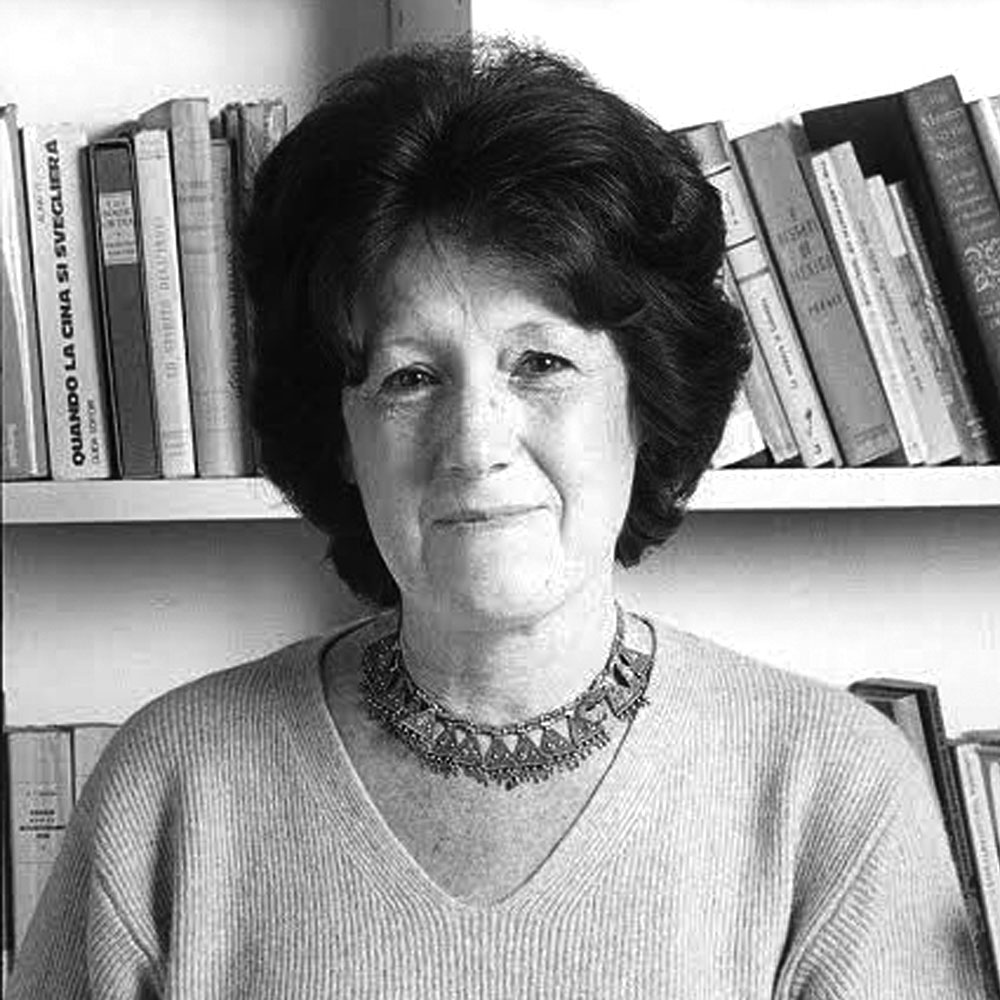
Toni Maraini is an art historian, essayist, poet, and writer. She is the author of critical texts, collections, and books. Of Italian origin, she lived in Morocco from 1964 to 1987, where she taught, conducted research, and collaborated on cultural projects. As a pioneer, she wrote numerous texts on artists and the arts in Morocco (though not exclusively), some of which were collected and published by Le Fennec (Écrits sur l'art, 2014). Today she lives, writes, and publishes in Italy, but remains interested in the history and arts of Morocco.
Chourouk Hriech is represented by Galerie Anne-Sarah Bénichou in Paris and by L'Atelier 21 in Casablanca. She works across drawing, writing, video, and sculpture, approaching them as a journey through space and time. A traveling artist and professor at the École supérieure d'art et de design Marseille-Méditerranée, she collaborates with Diptyk, Tchikebe in Marseille, and Kulte Gallery & Editions in Rabat.
Latifa Serghini is a physician. She wrote a first life narrative, Life Before Thinking, Sur les pas du peintre Ahmed Yacoubi, followed more recently by Mohamed Hamri, peintre et saltimbanque. What drives her? These extraordinary lives, these figures unknown to the public, who shaped contemporary Moroccan culture. Her passion for writing takes shape through characters where talent meets a spirit of freedom. She is currently preparing to publish a life novel dedicated to Jilali Gharbaoui.
Mustapha Azeroual est un photographe franco-marocain, il vit et travaille entre Casablanca et Paris. Scientifique de formation, il fonde son travail sur l’observation et l’expérimentation, confrontant les techniques historiques de prise de vue et de tirage aux enjeux contemporains de la photographie. Son travail est représenté au Maroc par CulturesInterfaces (Casablanca), en France par la Galerie Binome (Paris) et aux États-Unis par Mariane Ibrahim Gallery (Seattle).
Siddhartha Mitter is an independent journalist. Based in New York and recently published in the New York Times, Artforum, Village Voice, and W Magazine, he focuses on artistic expression within political and social contexts, particularly in the United States and Africa. He is currently working on a series of reports and essays on crossroad cities of contemporary African art.
Bruno Nassim Aboudrar, a graduate of the École Normale Supérieure and a former fellow of the French Academy in Rome (Villa Medici), is Professor of Art History and Theory at the Sorbonne Nouvelle. There he heads the Laboratoire International de Recherches en Arts (LIRA) and co-directs the Master's programme in the Geopolitics of Art and Culture. His recent books include several essays: Les Dessins de la colère (Flammarion, 2021); Géopolitique de la culture. L'Artiste, le diplomate et l'entrepreneur, co-written with F. Mairesse and L. Martin (Armand Colin, 2021); and Occidentalismes. Peindre à l'européenne dans le monde. XVIe–XXe siècles (Flammarion, 2026). He has also published a novel, Les Week-ends (Plon, 2025).
Juan Palao was born in Madrid in 1978. After studying Arabic at the University of Seville, comparative literature at the University of Geneva and medieval studies at the University of Santiago de Compostela, he translated novels and essays by Camille de Toledo into Spanish. He moved to Morocco in 2011 to join Dar al-Ma'mûn, an international library and artist residency project directed by Omar Berrada. At the 2016 Marrakech Biennale, he took part in the installation of Ahmed Bouanani's library at the Bahia Palace. From 2017 to 2020 he was the librarian of the Fondation Jardin Majorelle, and from 2021 to 2024 he taught the history of graphic design at ESAV Marrakech (École Supérieure des Arts Visuels). Since 2024, he has been head of archives at the Es Saadi Marrakech Resort. Juan Palao has contributed to Diptyk since 2019.
Houda Bensebaa is a graduate of the Marseille School of Fine Arts and Paris 8 University, where she studied contemporary art. She is interested in the intersection between art and the social sciences, advocating for an embodied approach to art criticism.
Vamika Sinha is a writer, arts critic, and deputy editor at Wasafiri. She holds literature degrees from NYU Abu Dhabi and SOAS University of London and writes for several arts publications, including Canvas, Aesthetica, DAZED Middle East, Diptyk, and Art Africa. She has extensive experience in independent magazine publishing and primarily writes on migration, postcolonial feminism, diasporic relationships to the nation-state, and how these entwine within visual art, literature, and film. Originally from India and Botswana, she now lives in London.
Jade Saber is an independent curator and a Ph.D. candidate in art history (Paris 1
, HiSCA/INHA). She studied in a literary preparatory program, at Sciences Po
, Paris, at the École du Louvre, and then at the University of Edinburgh. As part of her
dissertation, she is exploring the performative uses of the archive and ways to give
substance to memory by narrating a transnational repertoire of traces in
Palestinian, Algerian, and Lebanese contemporary art from 1982 to the present.
Rebecca Anne Proctor is a journalist, editor, and cultural consultant based between Dubai and Rome. A former editor-in-chief of Harper’s Bazaar Art, she contributes to Artnet News, Frieze, The New York Times Style Magazine, and The Business of Fashion, among others. An expert on the art scenes of the Middle East, she is the co-author of *Art in Saudi Arabia: A New Creativity Economy?* (Lund Humphries, 2023) and contributes to *Diptyk* on cultural and artistic transformations in the Gulf.