

Fragile yet resilient, the Lubumbashi Biennale returns in October for its 9th edition, dedicated to the theme “Eating the Earth.”
By Emmanuelle Outtier
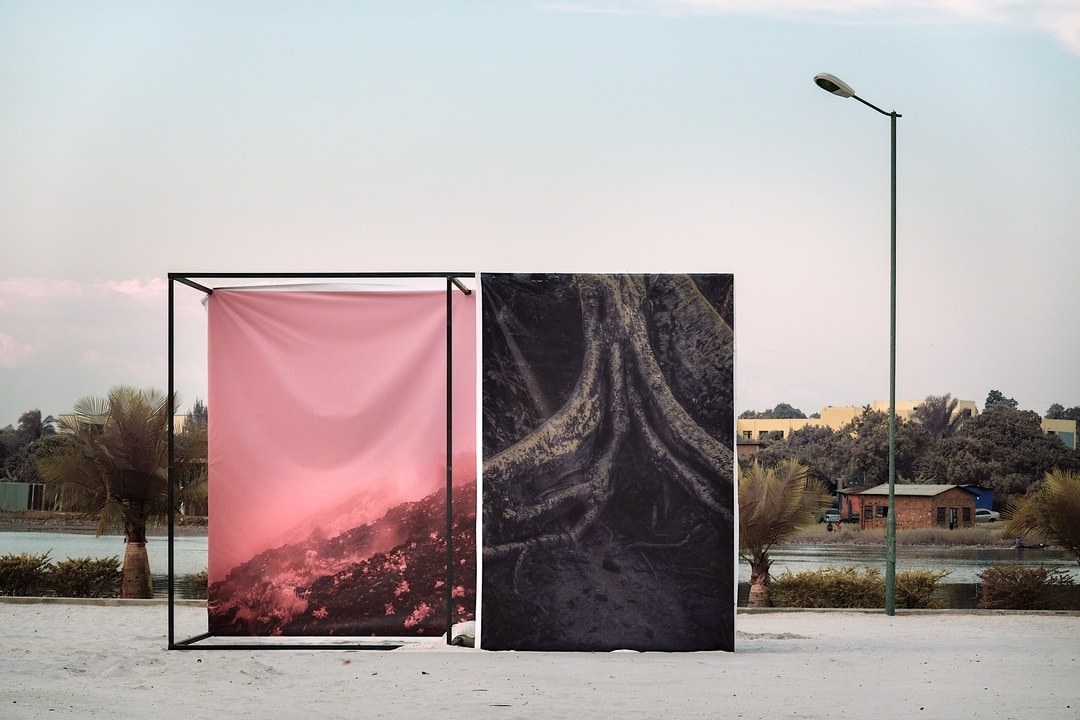
The 9th edition of the Lubumbashi Biennale, to be held from October 15 to November 15 in the Democratic Republic of the Congo, has announced its theme: “Eating the Earth.” “ How can we feed ourselves from a land that has already been consumed? ” asks independent curator Sorana Munsya. In a mining region like Lubumbashi, where extraction is an economic and geopolitical issue tied to colonial history, the question is all the more pressing. But, she warns, “ the central question of this biennial may not be what has been extracted, but rather what remains untouchable (…) For even when the earth has been consumed, something continues to circulate, to resist, to nourish. ”
Organized by the independent art center Picha, co-founded in 2008 by artist Sammy Baloji, the biennial will finally take place following a fundraising appeal launched in May to save Picha and ensure that this new edition could be held. Some 8,000 euros were raised at that time.
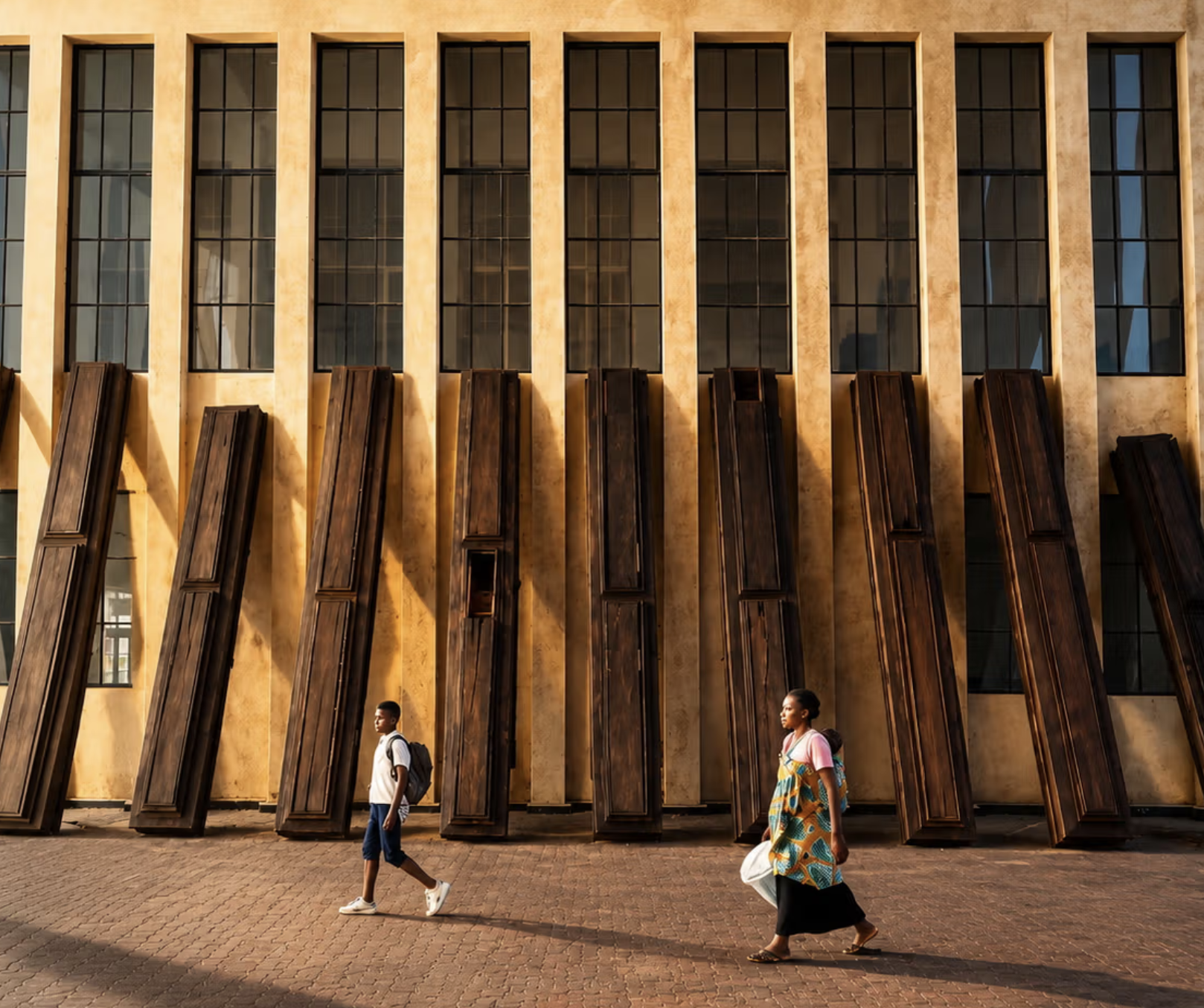
A Biennial That’s a Real Oddity
The Lubumbashi Biennial is one of the few African biennials organized by artists (unlike those in Dakar or Bamako, which are state-sponsored) that has managed to establish an international presence and maintain it, year in and year out. A “ grassroots ” biennial, as our colleague Siddhartha Mitter noted in 2019 in the New York Times.
Over the past eighteen years, she has helped launch the careers of several Congolese artists who are now part of major international art circuits, such as photographers Georges Senga and Léonard Pongo, the latter of whom was recently featured in the international exhibition “In Minors Keys” at the Venice Biennale.
It has also attracted renowned artists such as Kader Attia, Zineb Sedira, Kiluanji Kia Henda, and Mouna Karray, under the leadership of curator Simon Njami in 2010; and later, Ibrahim Mahama, Emeka Ogboh, and Francis Alÿs.
Elvira Dyangani Ose, for her part, served as its artistic director in 2013. Thirteen years later, she has just been named artistic director of the Zeitz MOCAA in Cape Town, succeeding Koyo Kouoh.
Little by little, this biennial—which has always been constrained by its limited resources—has thus managed to carve out a place for itself on the international scene, thanks in large part to a network of often politically engaged international artists and curators.
