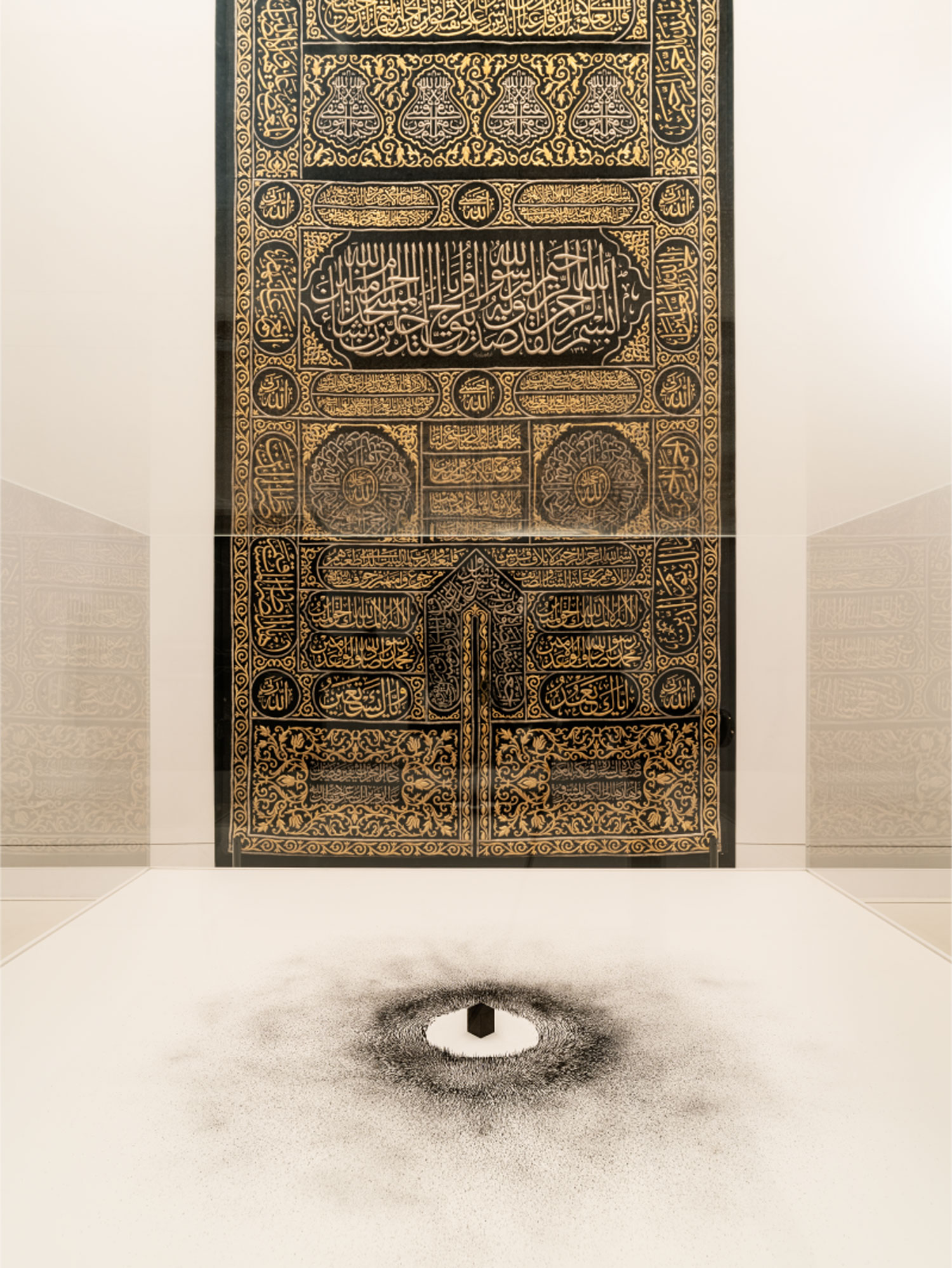
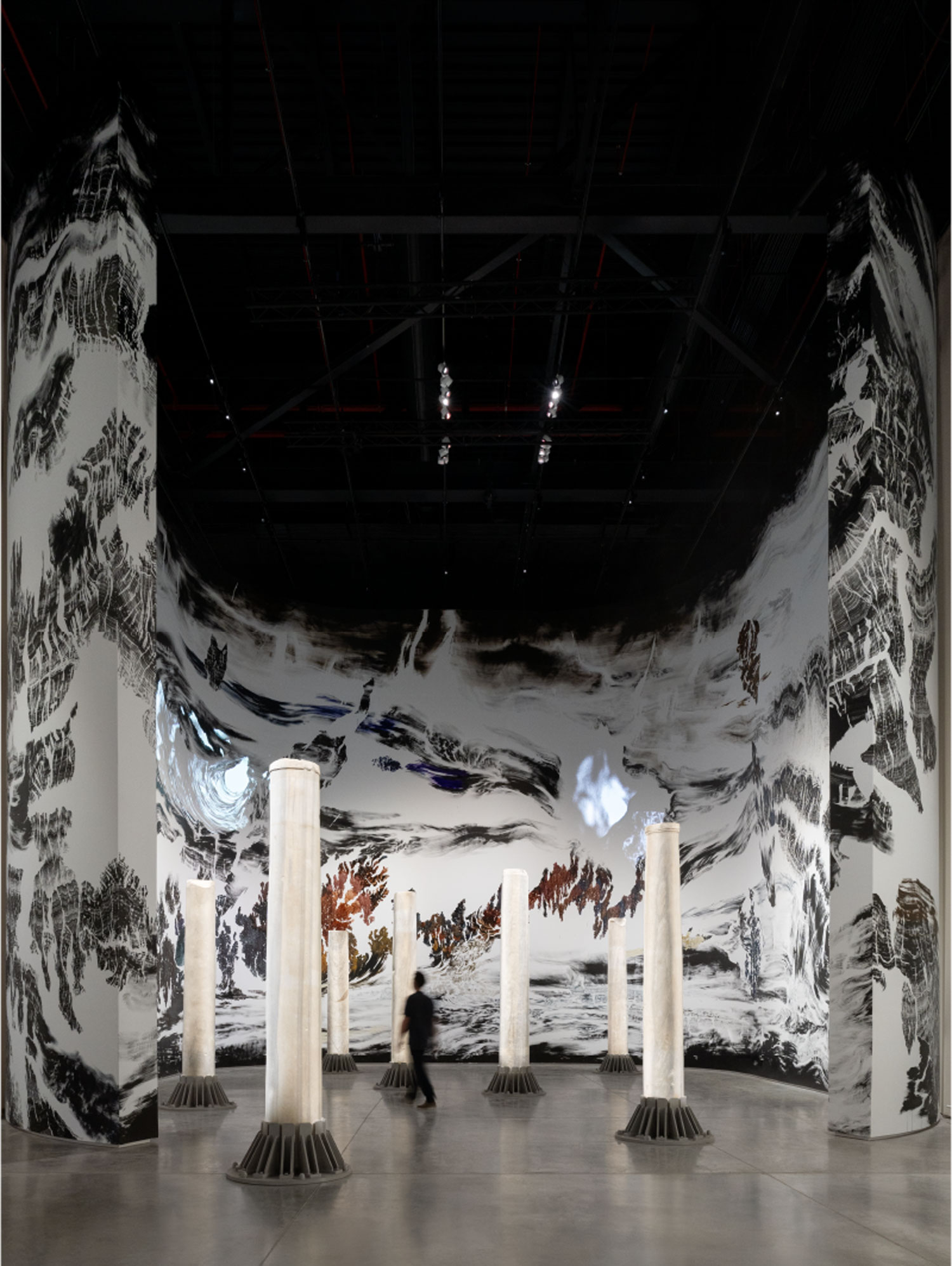
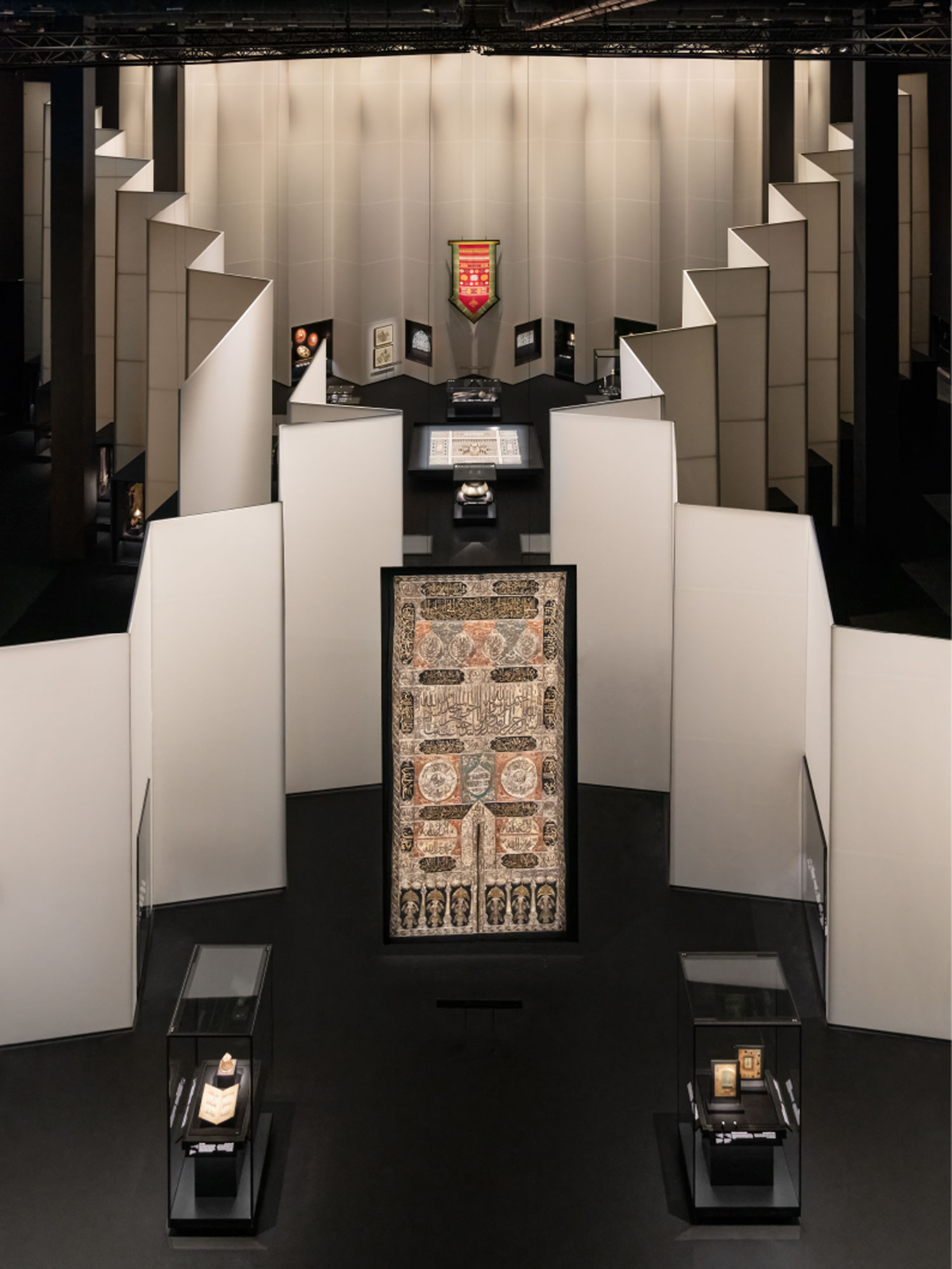
For its third edition, which opens on November 1, 2027, the Jeddah Islamic Arts Biennale has entrusted its artistic direction to four curators from the fields of contemporary art, research, museums, and the art market. This diverse team reflects the event’s ambition: to move beyond a strictly heritage-based interpretation of Islamic art and instead view it as a dynamic field where historical objects and contemporary practices interact.
By the editorial staff
Nada Raza, William Robinson, Alain Fouad George, and Idries Trevathan: the four lead curators announced by the Diriyah Biennale Foundation, organizer of the Islamic Arts Biennale, are single-handedly shaping the program for this third edition. Nada Raza, director of the Alserkal Arts Foundation, focuses on cultural exchanges between the Arabian Peninsula, South Asia, and the Indian Ocean; William Robinson headed the Islamic art and carpet departments at Christie’s for three decades; Alain Fouad George, a professor at Oxford and director of the Lusail Institute in Doha, specializes in particular in the Umayyad period, early Qur’anic manuscripts, and Arabic calligraphy; Idries Trevathan, former chief curator of the Saudi cultural center Ithra, approaches Islamic art as a living tradition. Each will design a distinct exhibition.
Understandably, thisthis choice broadens the biennial’s intended definition of “Islamic arts.” The focus is no longer on bringing together masterpieces from major collections, but on connecting them with contemporary works and practices, within a history shaped by movement, exchange, and transformation. The event has announced new art commissions and intends to further explore, in 2027, its work on intangible heritage, communities, and resilience.
This approach will continue with AlMadar, a collaborative platform bringing together institutions and collections of Islamic art, which is set to expand to include a digitized archive and new international programs. The AlMusalla Prize, dedicated to architecture, is also returning for its 2ndth edition, featuring a project focused on the reinvention of prayer spaces.
Held once again beneath the large canopies of the Western Hajj Terminal at Jeddah International Airport, the biennial thus reaffirms its commitment: to view the arts of Islam not so much as a historical category but as traditions that circulate and reinvent themselves today.
Islamic Arts Biennale, Jeddah, November 1, 2027, through March 1, 2028.