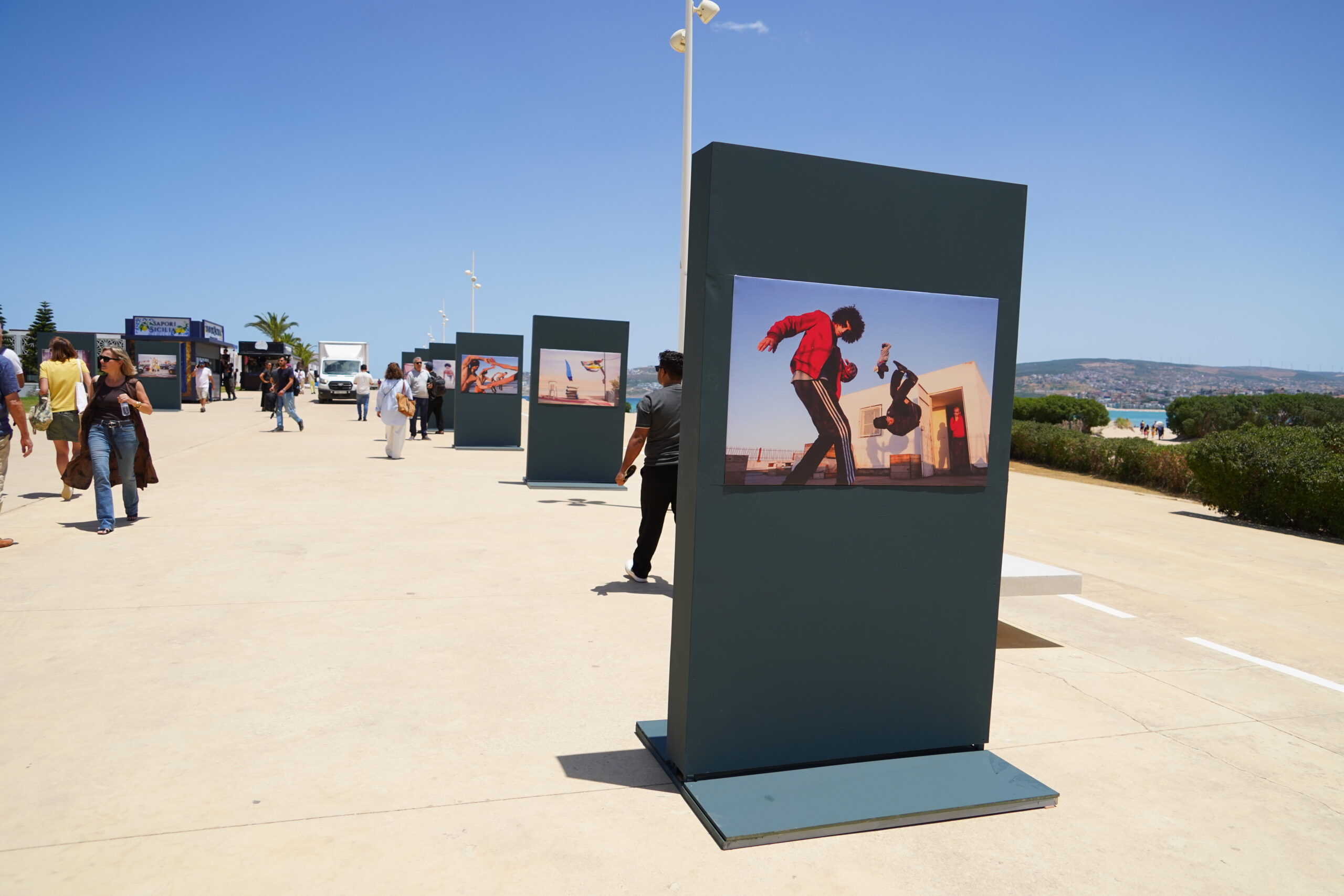
Under the theme “The Call of the Open Sea,” the first edition of the Photo Tanger International Image Festival features a program that strikes a balance between emerging photographers and established artists.
While several photography events have often left a sense of incompleteness or amateurism, the first edition of the Photo Tanger Festival was eagerly anticipated. The eclectic program, developed in partnership with the city’s leading cultural venues, combines solo exhibitions with both historical and contemporary perspectives on Tangier and Morocco.
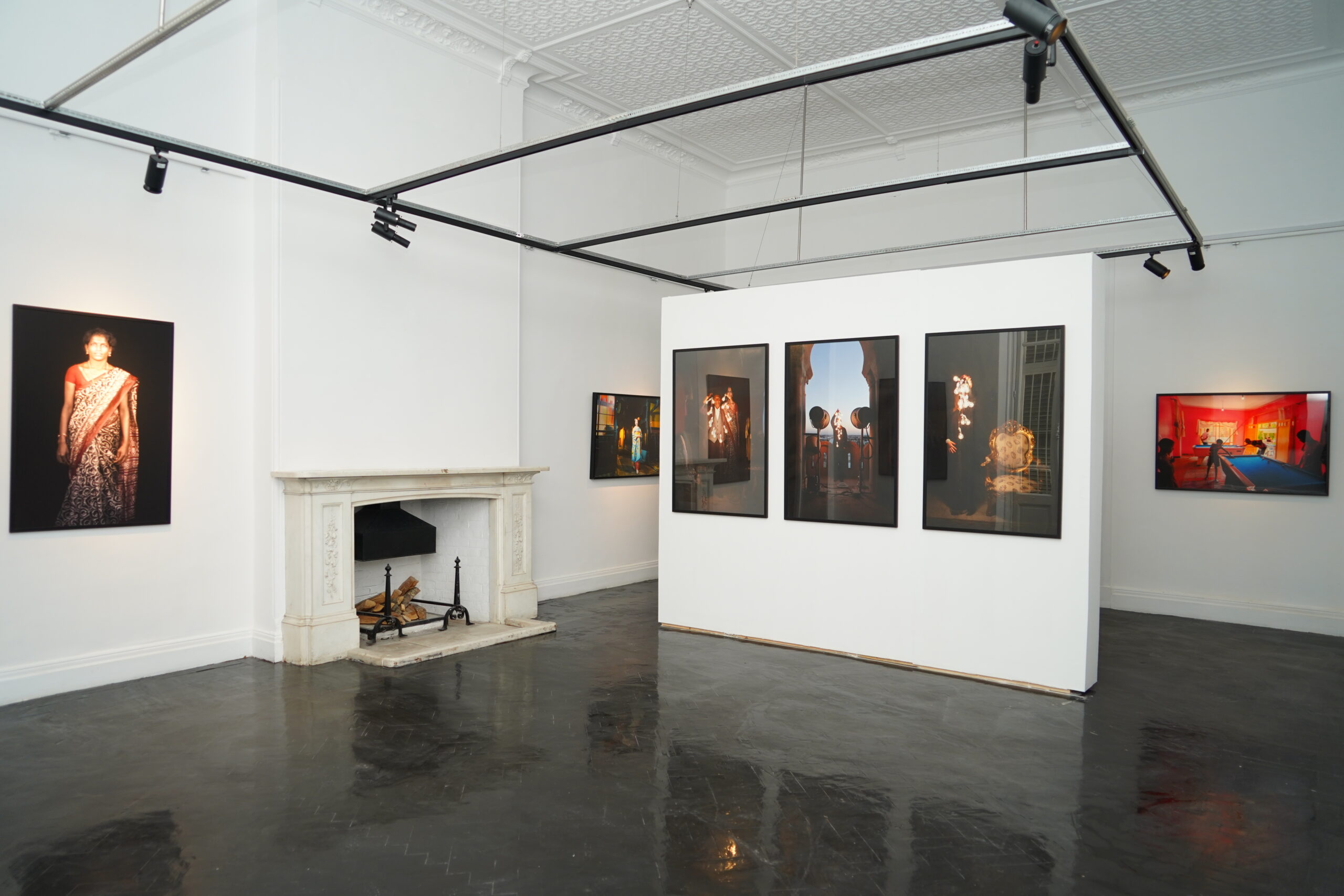
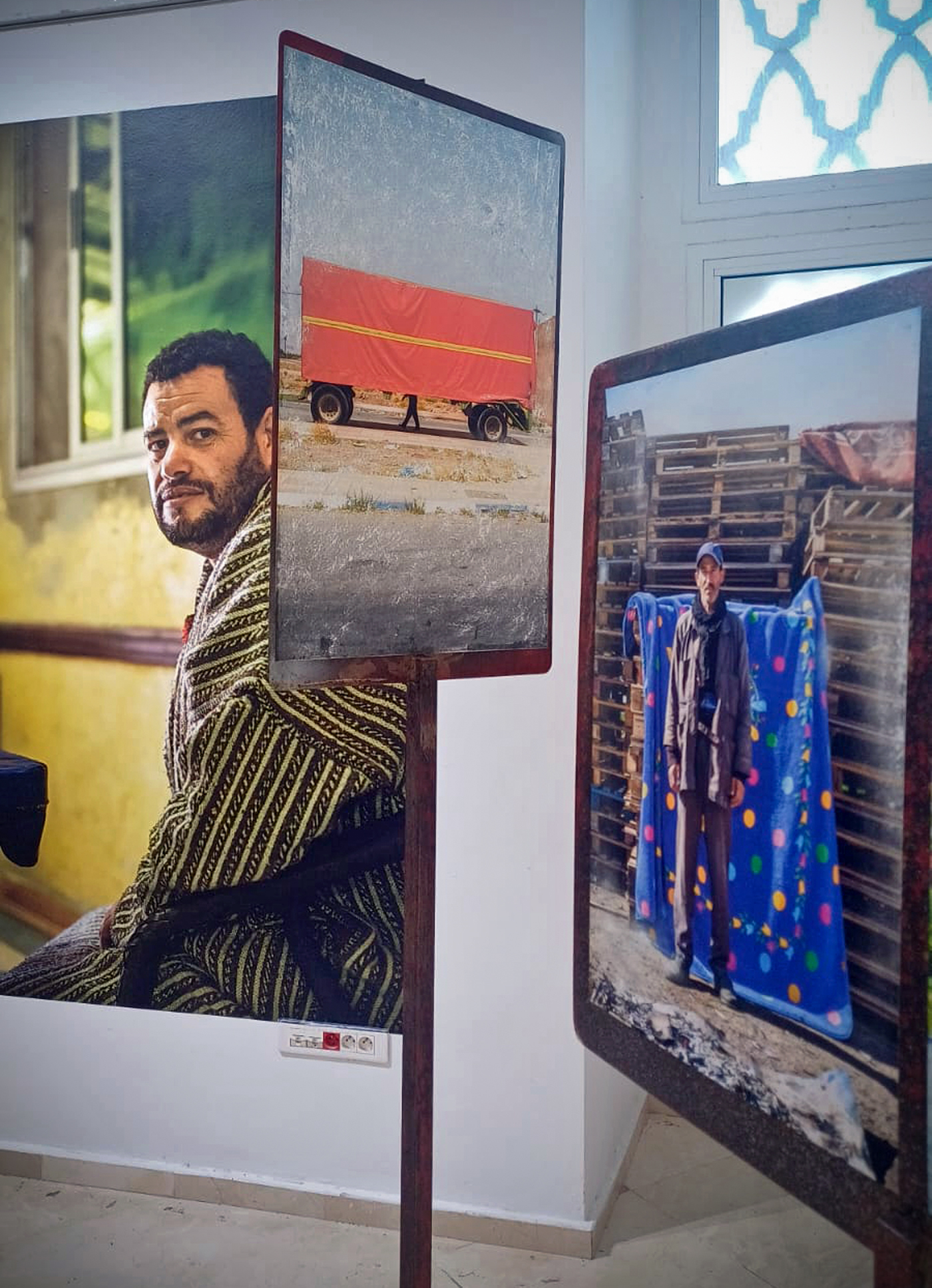
But it is undoubtedly in the way the works are presented that the festival stands out the most. Whereas the various photography festivals held in Marrakech, Tangier, or Essaouira struggled to meet the technical requirements specific to the medium of photography (quality of installation, spatial arrangement, and lighting), the Photo Tanger Festival places a strong emphasis on exhibition design, which—thanks to Isabelle Timsit—works wonders here. Starting with the three exhibitions presented at the Drissi Gallery—a challenging space to work with, where the sheer size of the venue had previously tended to overwhelm the artworks. There is a clear before-and-after, as Timsit had permanent professional lighting installed. A seemingly discreet gesture, yet one that reminds us how exhibition design is not merely decorative but determines the clarity, perception, and very quality of the aesthetic experience—a dimension still lacking in many exhibitions and festivals.
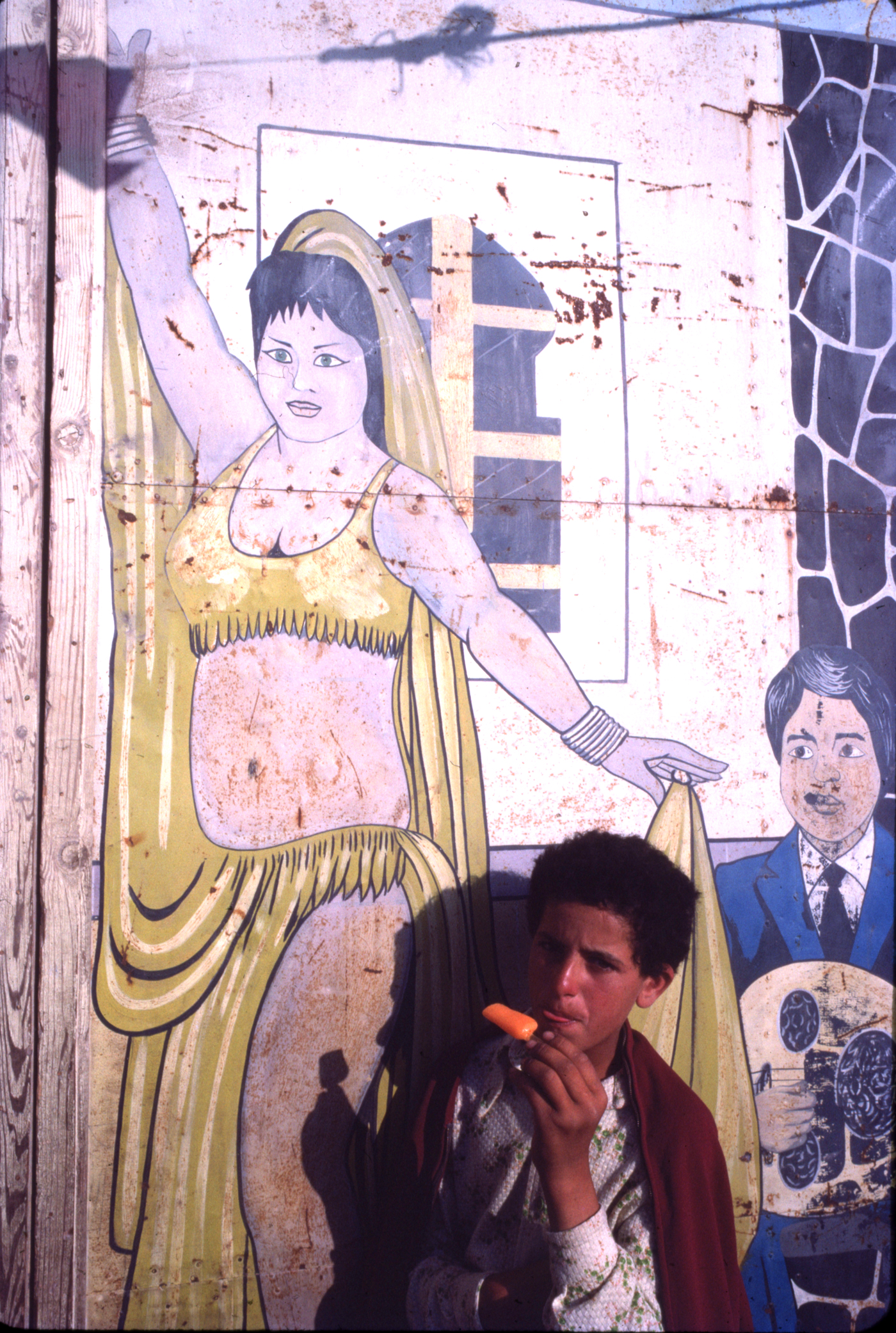
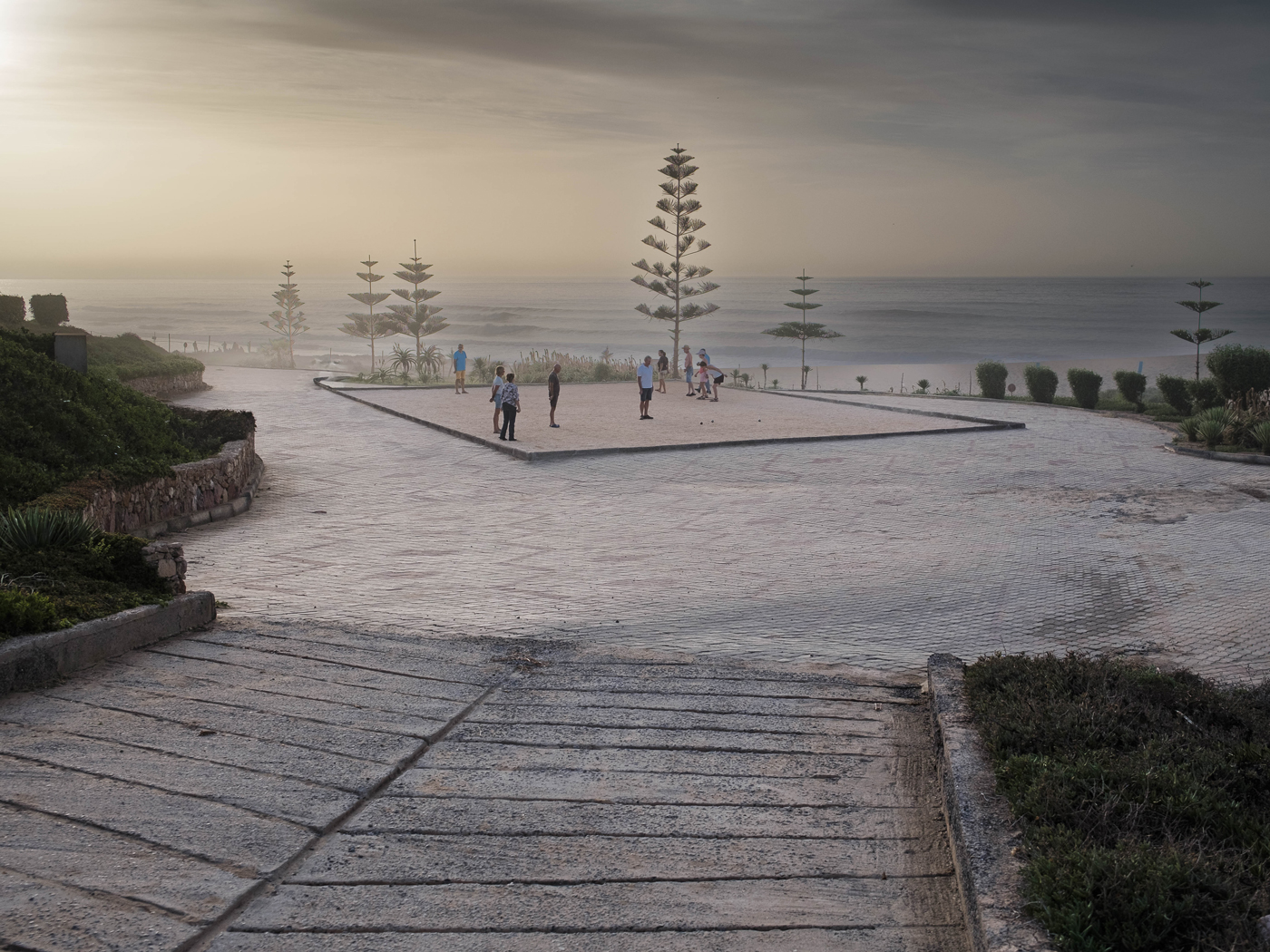
This requirement also stems from the prominent figures behind the festival. Alongside artistic director Brahim Alaoui, several heavyweights from the world of photography (Daoud Aoulad Syad, Isabel Muñoz, Khalil Nemmaoui, Mounir Fatmi, Mustapha Azeroual, and Yoriyas) lend credibility to this inaugural edition through their experience and mastery of the medium. “Waiting for Magellan” by Khalil Nemmaoui, curated by Houda Outarahout in the former Tangier train station in the heart of the Marina, is exemplary in this regard. His seascapes, created using long exposures, border on pictorial abstraction. In contrast, Rachid Ouettassi presents, at the Dar D’art gallery, a documentary perspective free of Orientalist clichés, in which Tangier is shown in its everyday reality. Supported by the Alliances Foundation, Daoud Aoulad-Syad’s exhibition, “Le temps d’un battement de cil,” stands out for the quality of its richly saturated color prints, created using Kodachrome film that evokes the golden age of Technicolor cinema.
These leading figures in Moroccan photography lend the festival immediate legitimacy. Ultimately, Photo Tanger is compelling because it finally takes photography seriously. It remains to be seen whether this will be enough to generate a sense of appeal among a new generation of photographers, curators, and the public—a condition that is undoubtedly necessary for the festival to establish itself as a lasting fixture on the scene.
Beyond the Myth of Tangier
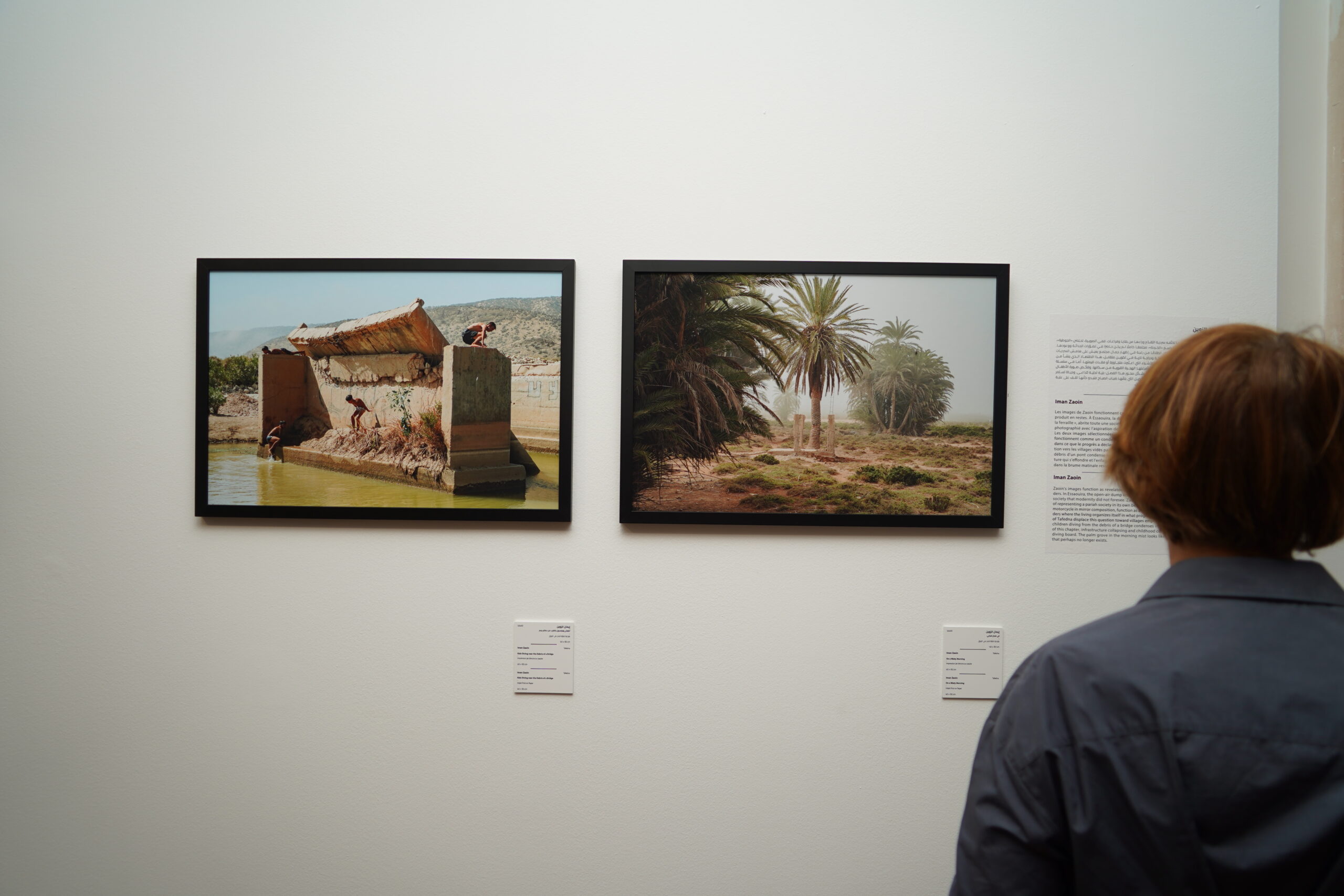
This inaugural edition thus affirms the concept of a postcolonial photographic perspective. In this vein, the group exhibition “Perspectives of Moroccan Photographers Around the World: Existing Between the World’s Certainties,” curated by Basma Mansour and Meryem Sebti at Villa Harris, presents the perspectives of young photographers such as Souki Belghiti, Iman Zaoin, Mounir Raji, and Zakaria Wakrim, who are attuned to the harmful effects of overtourism, rampant urbanization that is disfiguring cities, and the planned disappearance of landscapes of timeless beauty, oscillating between disenchantment and at times biting irony. A new generation of artists is here: all it takes is giving them the opportunity to showcase their work. The Casablanca Museum of Photography and Visual Arts, which opened this week, could thus serve as a catalyst for all this creative energy.
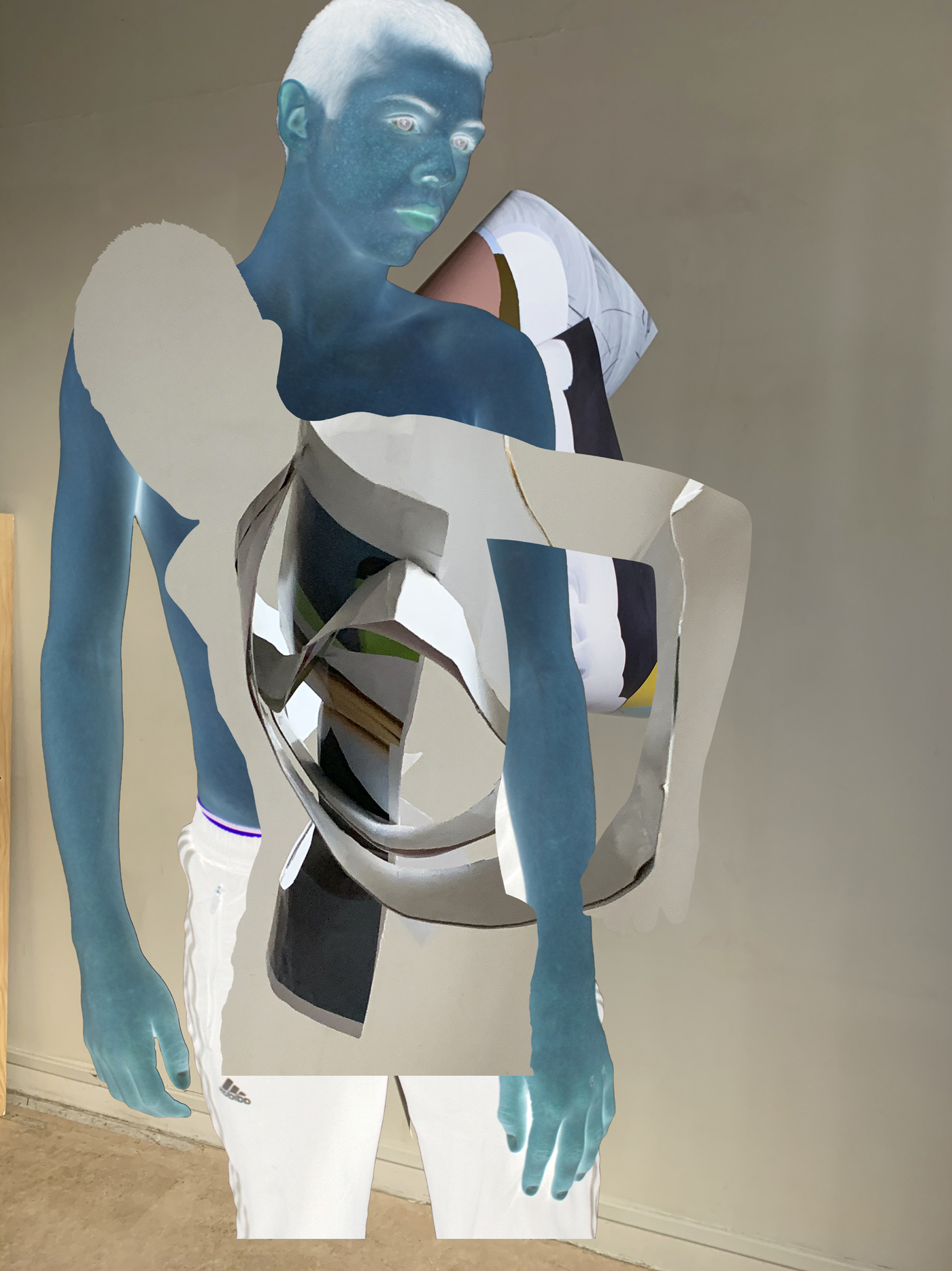
While the proposals sometimes stray from the chosen theme, unexpected dialogues emerge. Such is the case with the project “Slow Up—Ralentir,” which brought together Brahim Benkirane and Alexandre Chaplier at the Palais des Arts et de la Culture to explore the abandonment of national highways, or the exhibition “Unexpected Dialogue, Hicham Benohoud Denis Darzacq,” in which the Moroccan photographer’s burlesque scenes clash with the French artist’s digital collages. He is one of the standout discoveries of this edition, alongside Spanish photographer Isabel Muñoz, whose fantastical, dancing creations grace the walls of the Cervantes Institute gallery.
Finally, space is given to female photographers, whose presence is far from insignificant. Alongside Delphine Warin, whose work is on display at the Les Insolites bookstore-gallery, the exhibition “Advenir entre les rivages,” curated by Pascale Le Thorel at the Kent Gallery, highlights the perspectives of four female artists—Amina Benbouchta from Morocco, Meriem Bouderbala from Tunisia, the Franco-Algerian Zoulikha Bouabdellah, and the Lebanese photographer Fadia Ahmad—whose work consists of subverting the dictates of a male gaze on the world to reveal the intensity of a female gaze that asserts its preeminence. Couldn’t we say of photography what Godard said of cinema, namely that it “substitutes for our gaze a world that accords with our desires”? A desire for something else, a desire to challenge an Orientalist gaze that is now outdated, a desire to invent new visual utopias or dystopias: this is the beating heart of this first edition of the Photo Tanger Festival, which is also redefining the expectations we can now have of a photography festival in Morocco.
Olivier Rachet
Photo Tanger International Image Festival, through August 31, 2026
Exhibition venues: Foundation for Photography, Mohamed Drissi Gallery, Tanja Marina Bay, Kent Gallery, Dar D’art Gallery, Delacroix Gallery—French Institute of Tangier, Cervantes Gallery, Les Insolites Bookstore and Gallery, Les Colonnes Bookstore, Artingis Gallery, Medina Art Gallery, Villa Harris–Tangier Museum, Palace of Arts and Culture