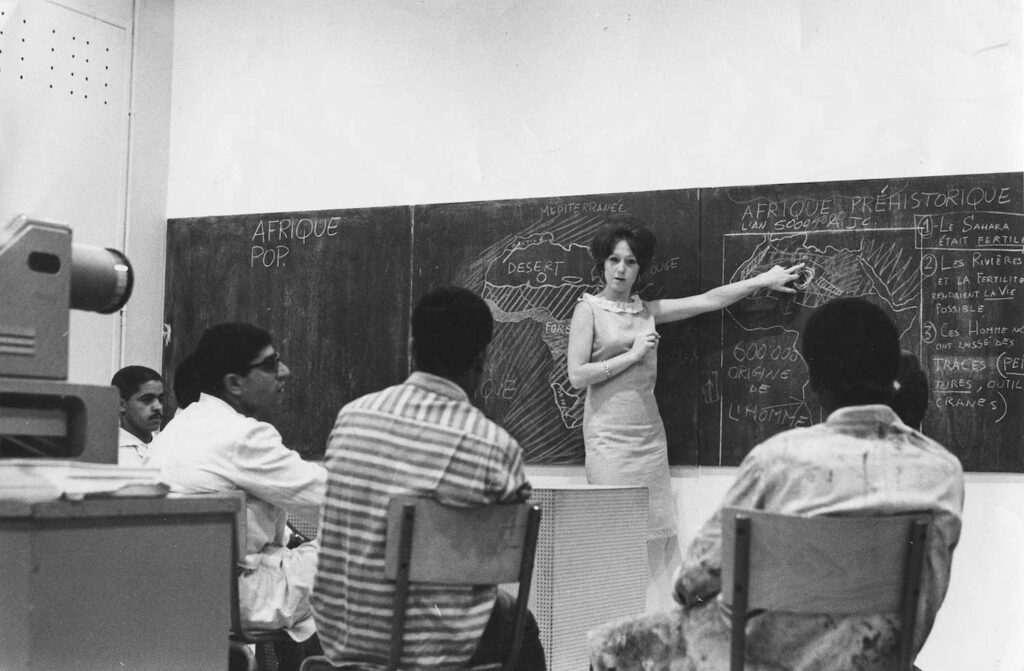
In French-speaking West Africa, the road is commonly referred to as “le goudron.” This concrete term, which refers to both an infrastructure and an experience, has become the central theme of Franco-Algerian photographer Bruno Boudjelal’s project. Not as a straight line connecting Tangier to Cape Town, but as a discontinuous surface, crisscrossed by back-and-forth journeys, detours, and unexpected stops.
By Najat Saïdi
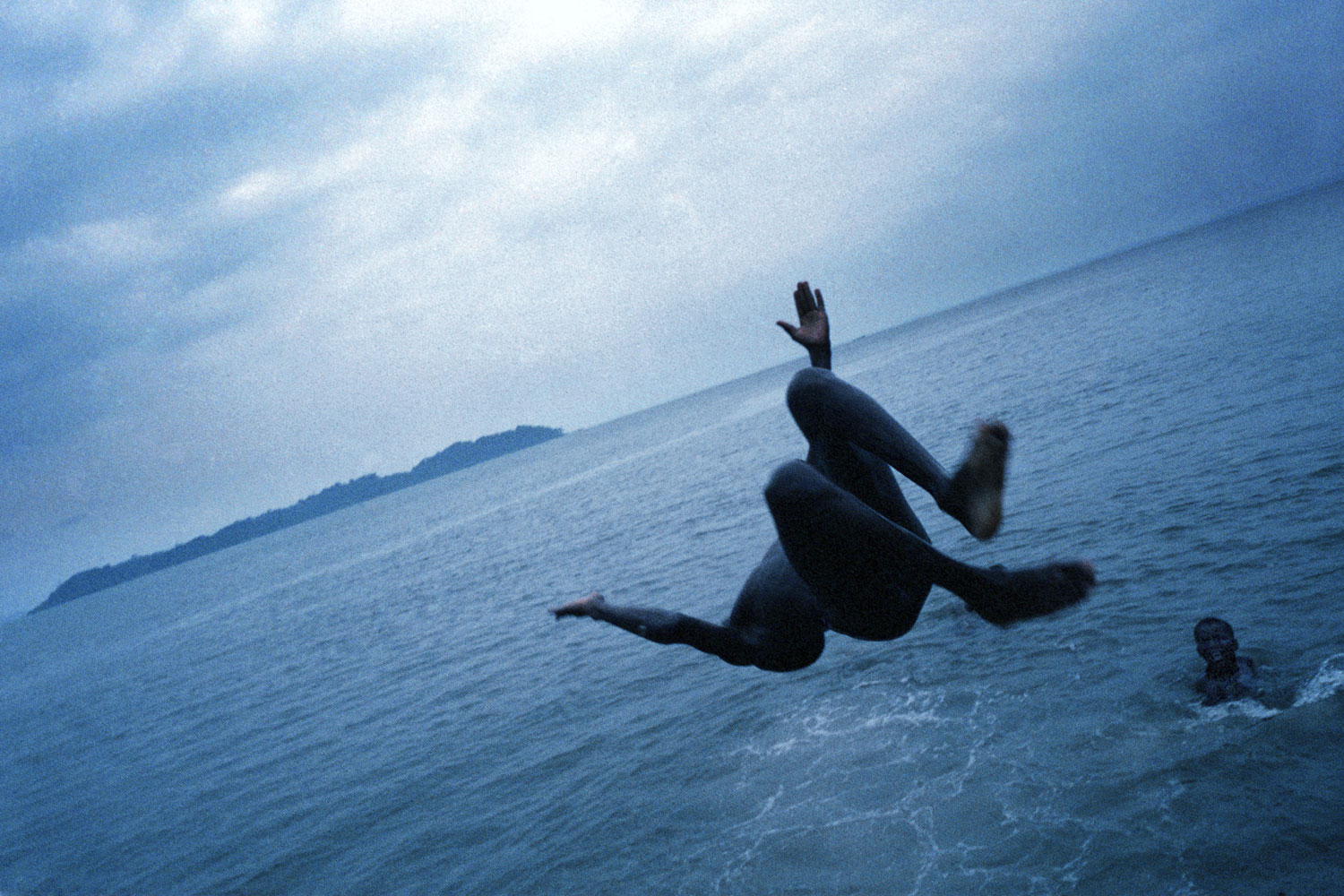
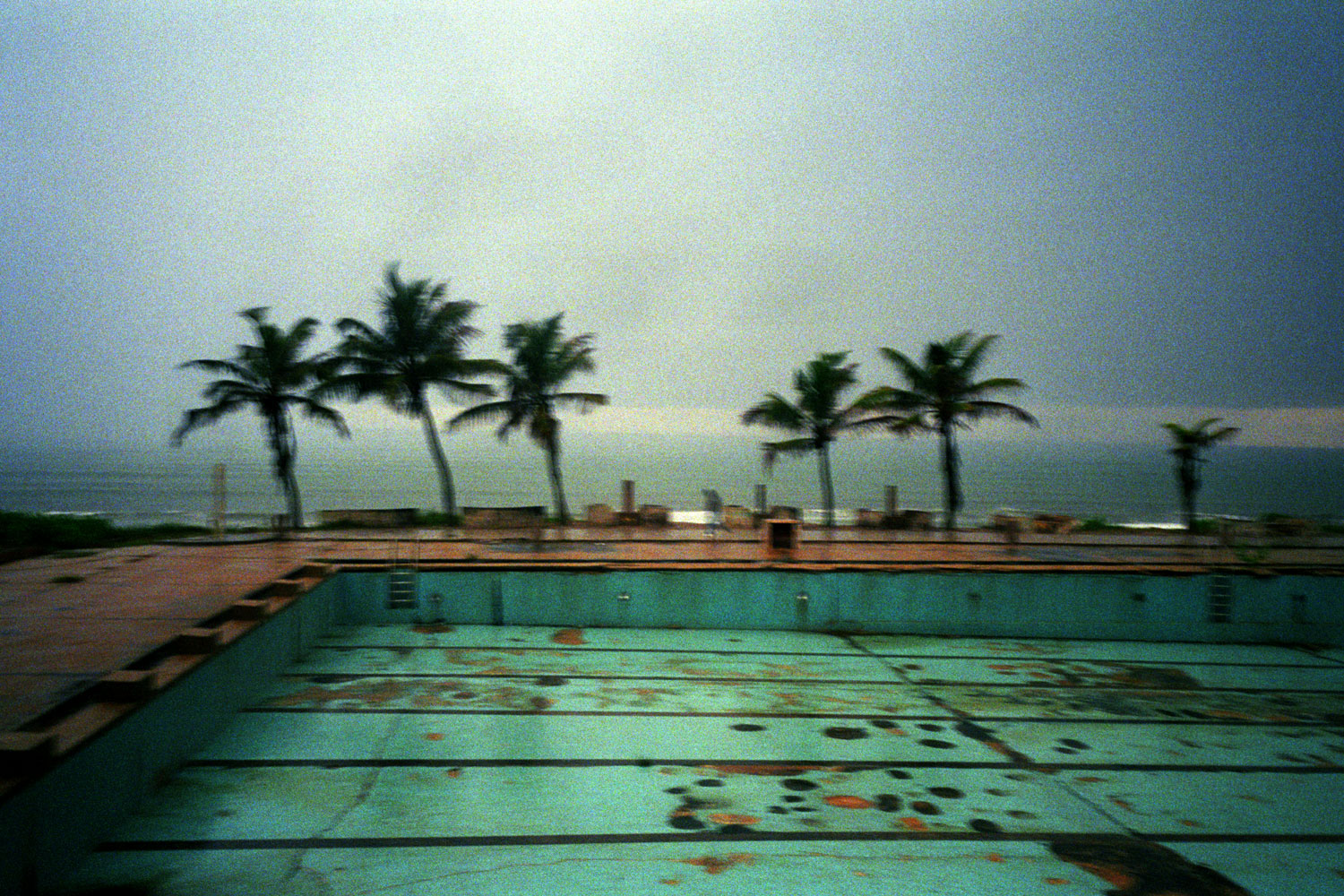
Lambaréné, Gabon, 2005, 100 x 150 cm
It all began with an imposed trip—an invitation that was supposed to be just one project among many. In 2003, Bruno Boudjelal was invited to participate in a group commission to photograph the ports of Africa. He was assigned the port of Libreville. His wife, who had spent the first twenty years of her life in Gabon, introduced him to the country. The first images of Goudron Tanger-Le Cap emerge. At the same time, he exhibits his series on Algeria at the Rencontres d’Arles, a country he visited repeatedly over the course of ten years to trace the origins of his paternal family and discover a place he knew nothing about. When asked what he plans to do after this series, he doesn’t know yet, so he mentions traveling across the African continent just to keep the conversation going. But a year later, his wish comes true: Libération hired him for eleven months to work on the project Goudron Tanger-Le Cap, with no restrictions whatsoever. “It seems crazy today—well, actually, it was crazy even back then.”
Bruno Boudjelal travels in stages: he travels from Tangier to Dakar, then, on a subsequent trip, sets out again from Dakar, and so on. This fragmented progression traces a personal geography marked by returns and shifts, between the planned and the unexpected. He travels through Morocco, Mauritania, Senegal, and Mali, but also allows himself detours to Niger and Chad, where he has his share of adventures. He heads south, then heads back north. This way of traveling is part of a longer-standing journey. Before becoming a photographer, Bruno Boudjelal worked as a tour guide. Based in Bangkok, he led groups through Burma, Laos, and Vietnam. “What interested me was filming. And that idea has stayed with me in photography.” What is at stake here is not yet the image, but movement: a way of inhabiting the world through motion.
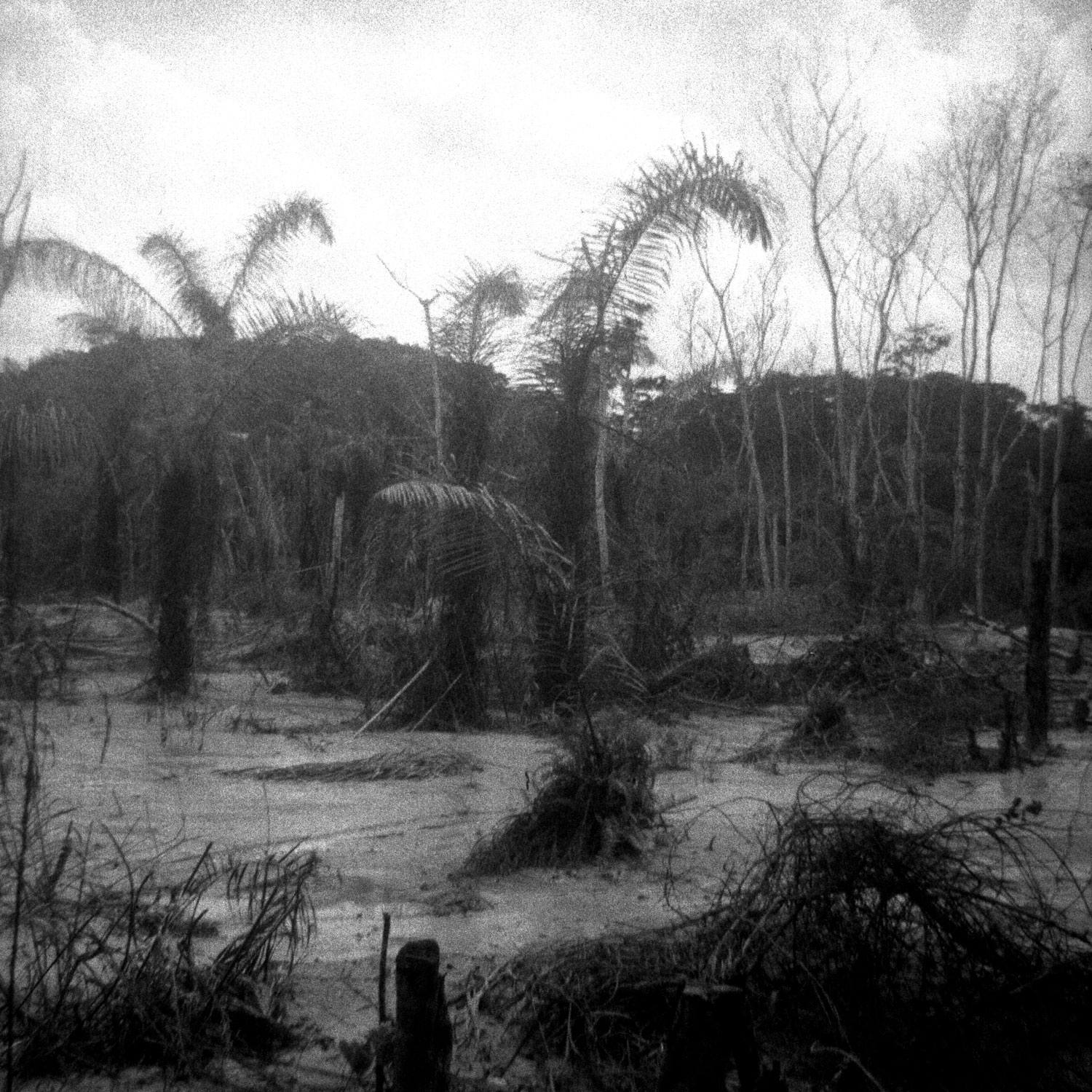
Nkroful, Ghana, 2005, 75 x 75 cm and 37.5 x 37.5 cm
For Bruno Boudjelal, the images are only part of the work. He emphasizes the importance of the stories gathered during his encounters, which will, in fact, accompany a selection of photographs from Goudron Tanger-Le Cap in a beautiful book soon to be published by Atelier EXB. These stories are not usually staged or directly illustrated in Bruno Boudjelal’s work, but they run through the series, giving it a human depth. Now 64 years old, the photographer has never sought to change his style, maintaining a sense of instability inherited from his experience in Algeria during the 1990s. “The style of my images is linked to my practice of photography in Algeria during those dark years—or rather, my lack of a formal practice. I worked with low-quality cameras, always on the move.”
Living in Motion
In this vein, a dominant color emerges repeatedly, without him having really anticipated it: a fascination with blue. This blue is never treated as a central motif or theorized; rather, it recurs as a diffuse presence, linked to skies, nights, and distances, and contributes to the overall atmosphere without ever imposing itself as a subject. At the same time, Bruno Boudjelal also creates black-and-white images, often in square format, which again stem from unforeseen circumstances: “How can I put it? It’s quite a story—a series of coincidences involving a woman in Belleville who sold me a camera I didn’t want at first.”
This summer, “Goudron Tanger-Le Cap” is taking a new step in its journey. The series will be featured in an exhibition at the Rencontres d’Arles, for which he has been making frequent visits to his printer, L’Atelier Surexposés, where Diptyk met him. The city of Avignon will also host several photographs in the form of large prints installed in public spaces. This latest development offers a new perspective by recontextualizing—in a different space and time—this experience of travel and encounter, which, from the very beginning, has defied any linear narrative.
— Bruno Boudjelal, “Goudron Tanger-Le Cap,” Les Rencontres de la photographie d’Arles, as part of the 2026 Mediterranean Season, July 6–October 4, 2026.
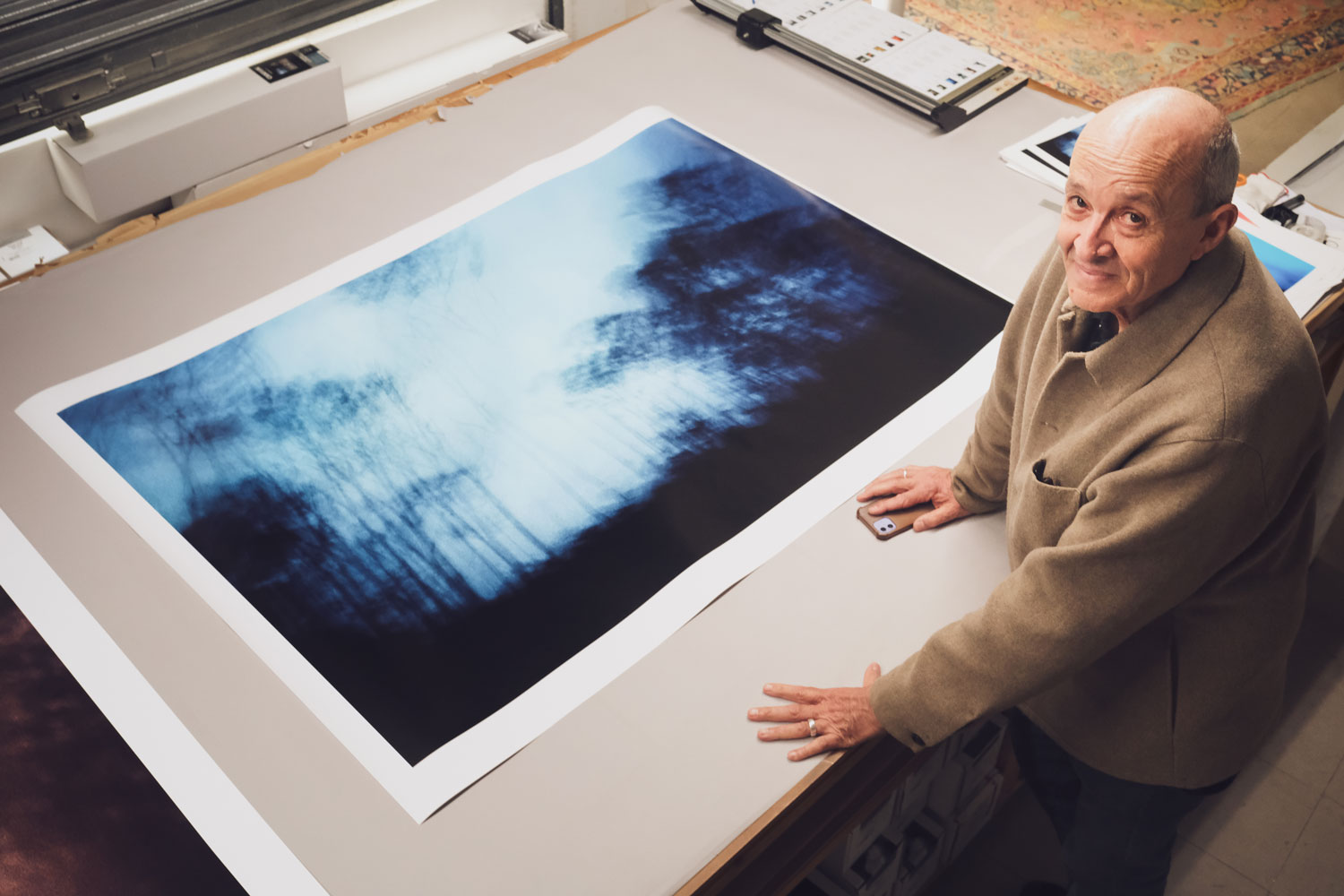
Bruno Boudjelal at the Surexposés studio in Paris, where he is preparing the prints for his exhibition at the Rencontres d’Arles. Photo © Najat Saïdi
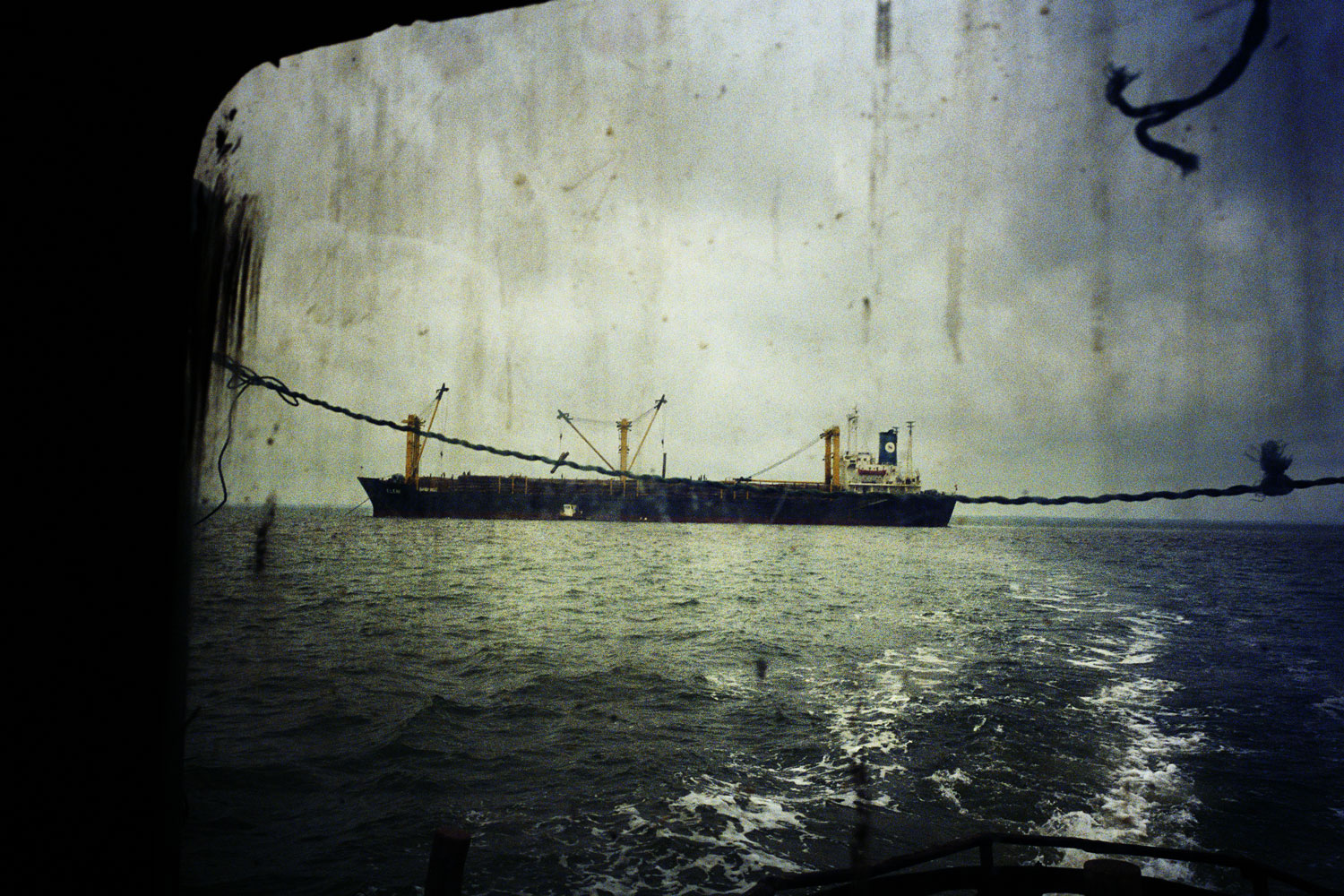
Lagos, Nigeria, 2005, 100 x 150 cm
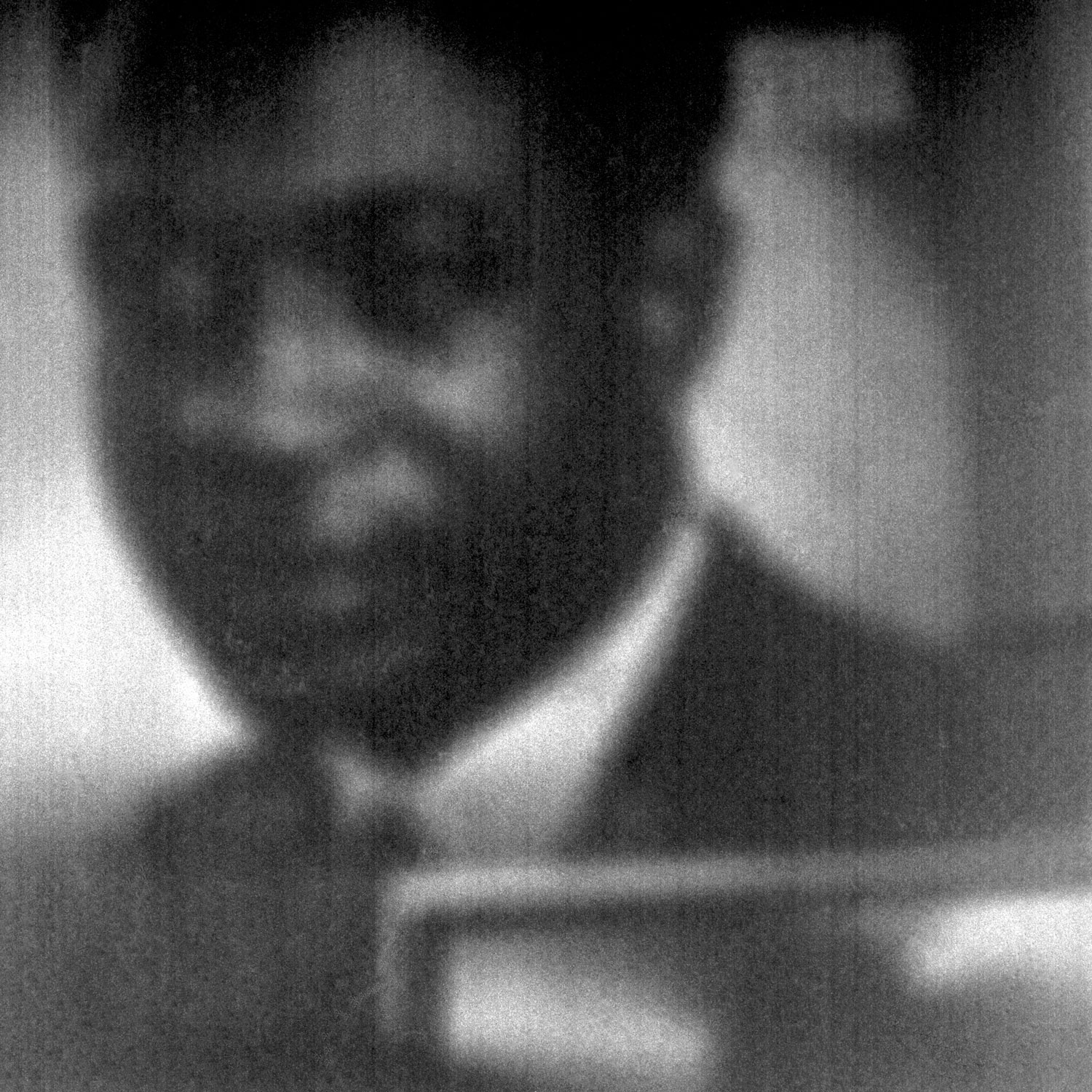
Nkroful, Ghana, 2005, 75 x 75 cm and 37.5 x 37.5 cm
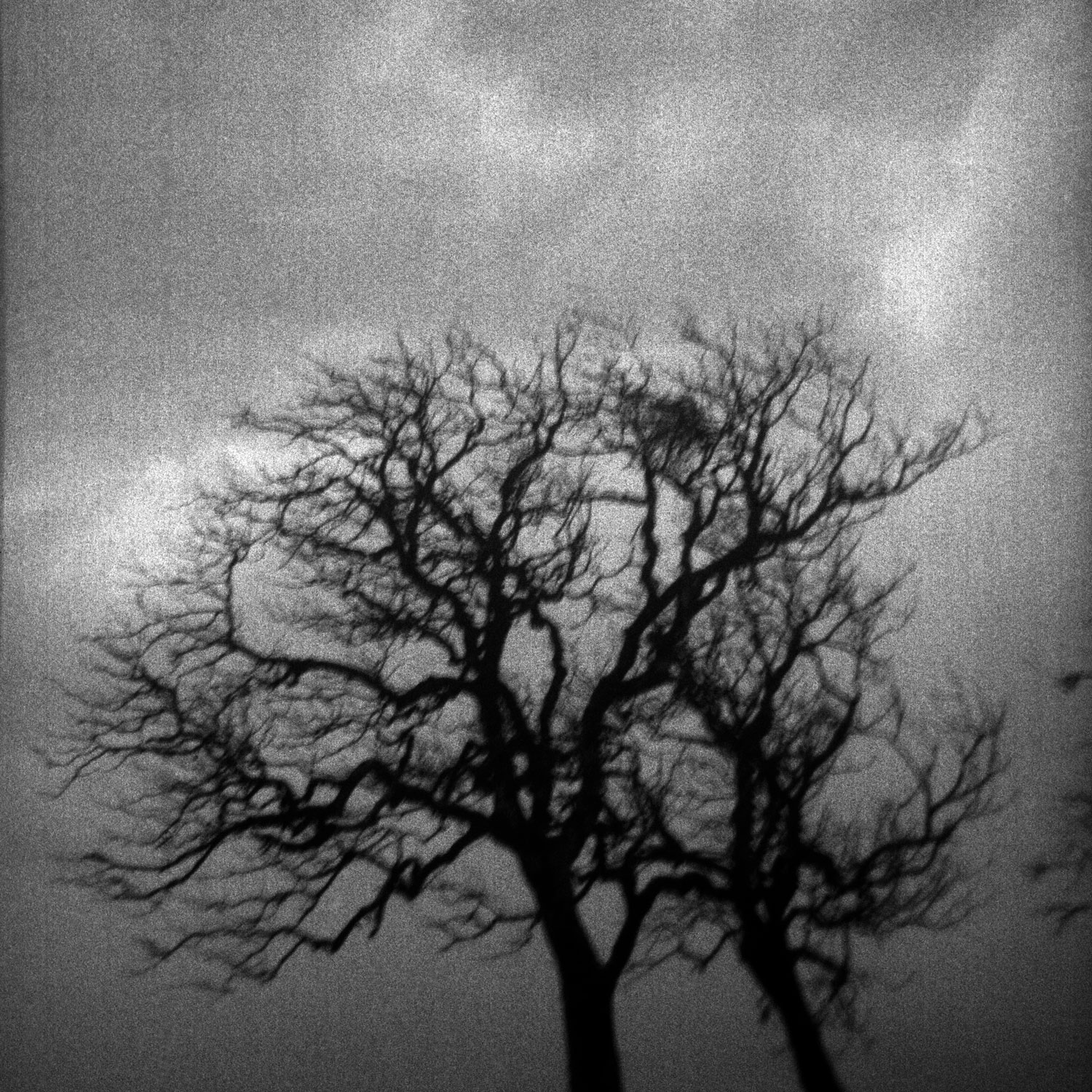
Nkroful, Ghana, 2005, 75 x 75 cm and 37.5 x 37.5 cm
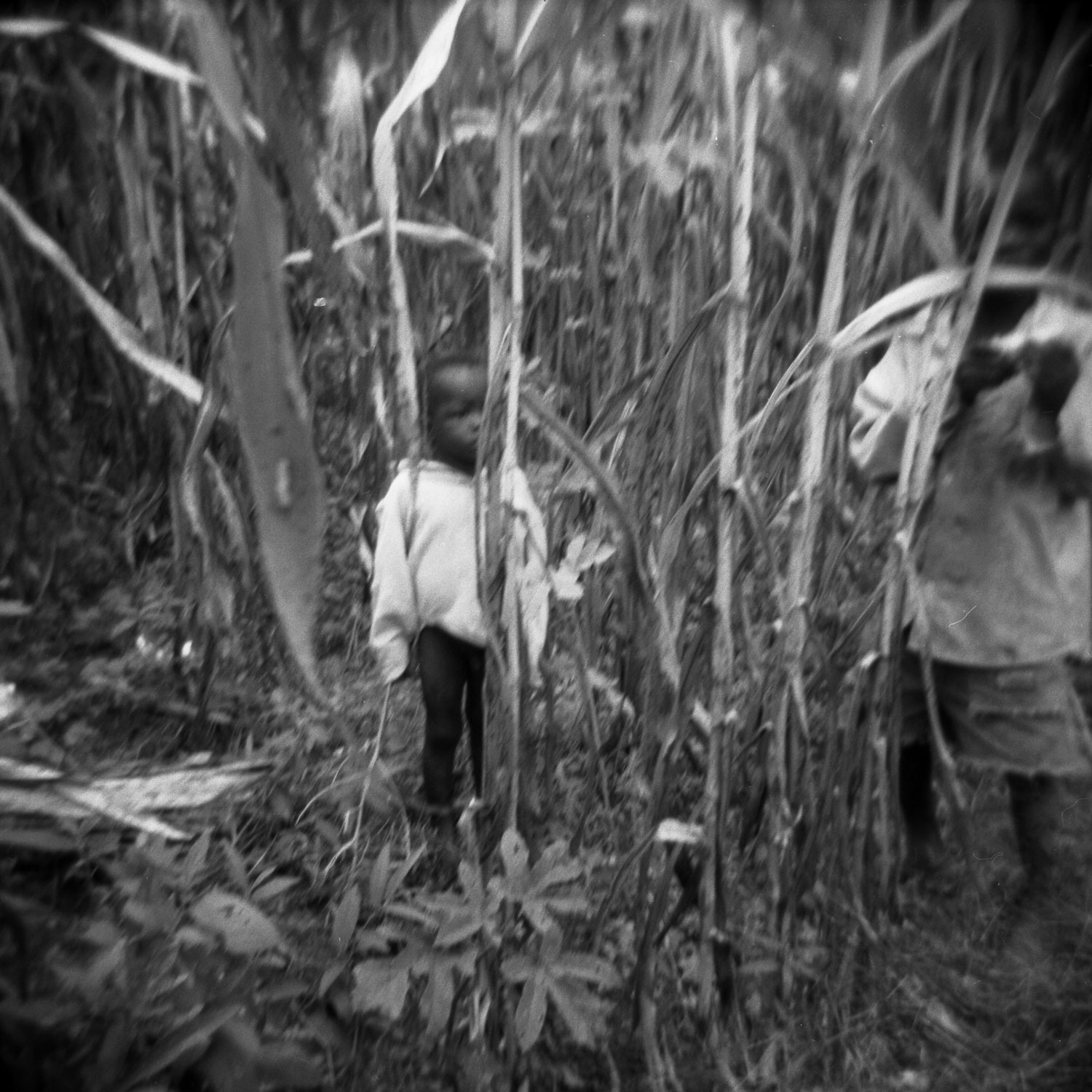
Nkroful, Ghana, 2005, 75 x 75 cm and 37.5 x 37.5 cm
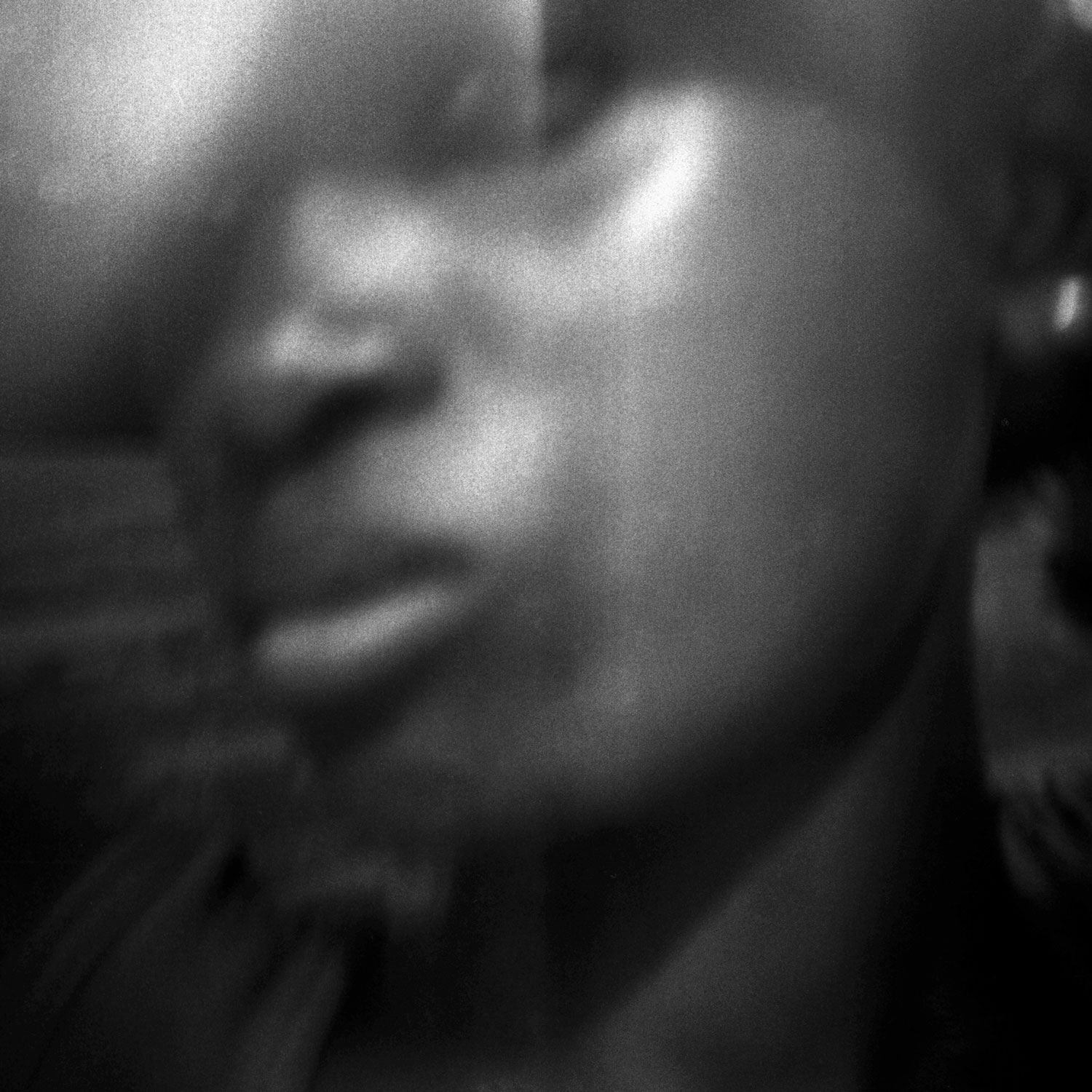
Nkroful, Ghana, 2005, 75 x 75 cm and 37.5 x 37.5 cm