African and Middle Eastern artists are now finding their place at major international biennials. However, in the auction world, the process of breaking down barriers is still underway, amid specialized sales, breakthroughs in international auctions, and demand that remains unevenly globalized.
By Céline Moine, Artmarket by Artprice.Com

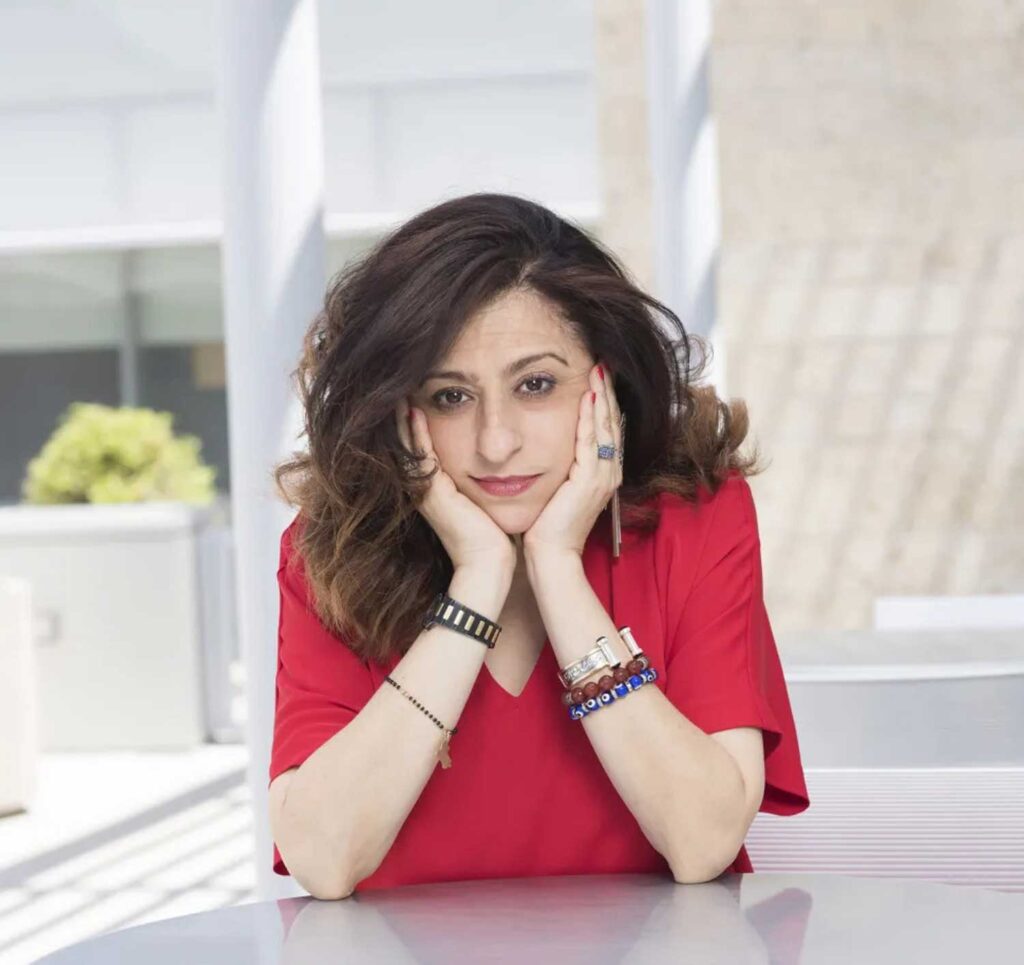
Koyo Kouoh will not have seen the opening of the biennial she had conceived. A Cameroonian curator based in Switzerland, she was the first African woman to be entrusted with the artistic direction of the Venice Biennale, ten years after Okwui Enwezor, who was its first African curator in 2015. She passed away a few months before the opening of “In Minor Keys,” which was brought to fruition by the team she had assembled. The symbolism is almost too powerful: this recognition comes at the very moment when the African and Middle Eastern art scenes are no longer presented as peripheral regions to be discovered, but finally as integral parts of the global narrative of art.
Is the auction market following the same trend? For the past two decades, the major auction houses have been holding sales dedicated to Africa and the Middle East. The question is no longer whether these markets exist. It is whether these specialized auctions are merely a necessary step to be left behind once and for all, or a circuit that continues to matter, even after one has moved on from it.
Online, demand remains niche
Neither Christie’s nor Sotheby’s has abandoned its specialized auctions of modern and contemporary art from the Middle East—the former has been doing so for twenty years, the latter for ten. What is changing is their format. Last April and June, their auctions were held online: no more auction rooms, no more trips to London, but two weeks to bid, whereas a traditional auction concentrates the bidding into just a few hours. Digital technology thus eliminates geographic distance and extends the duration of the auction. On paper, this should broaden the pool of buyers. In reality, however, the format has opened up more than demand has.
Measuring Regional Art on the International Stage
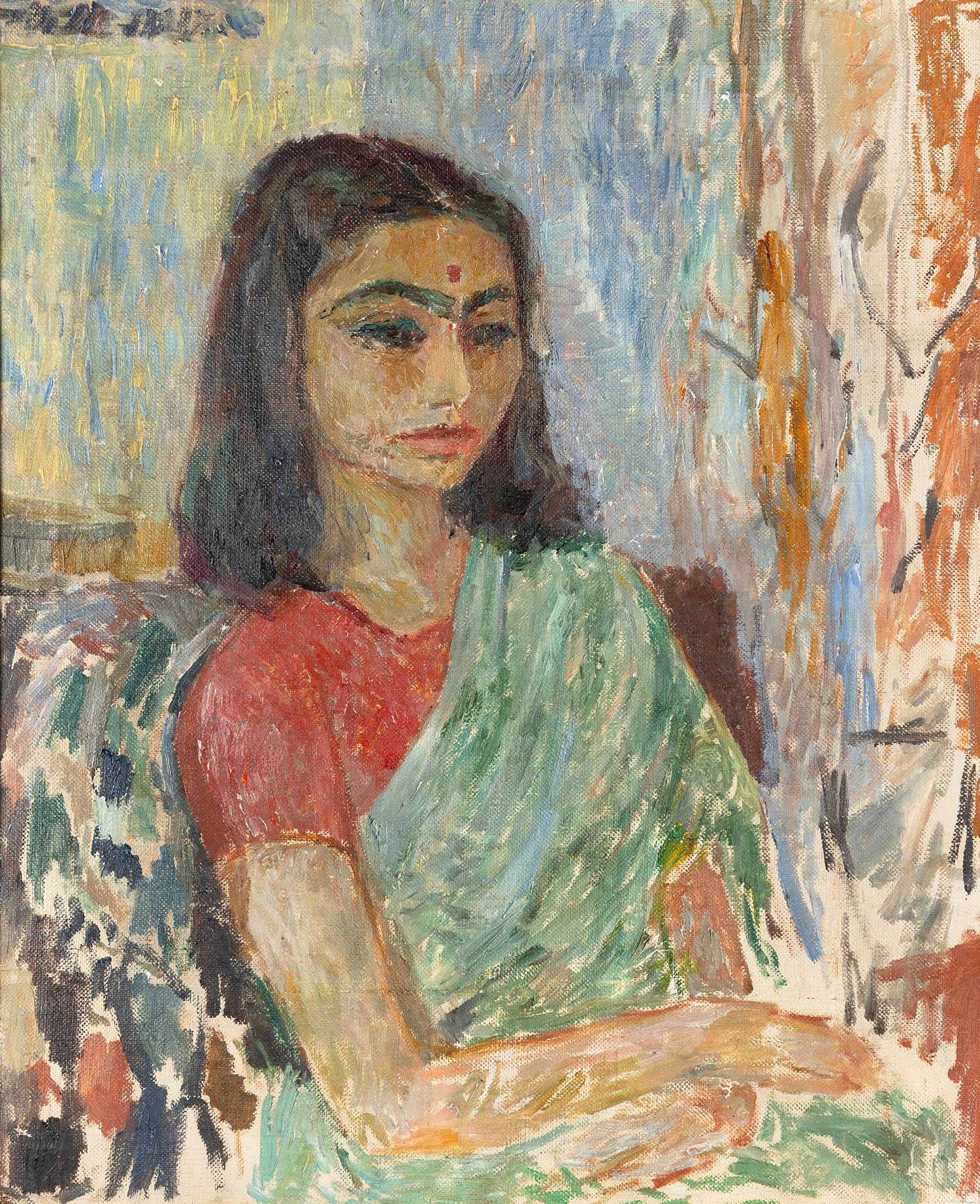
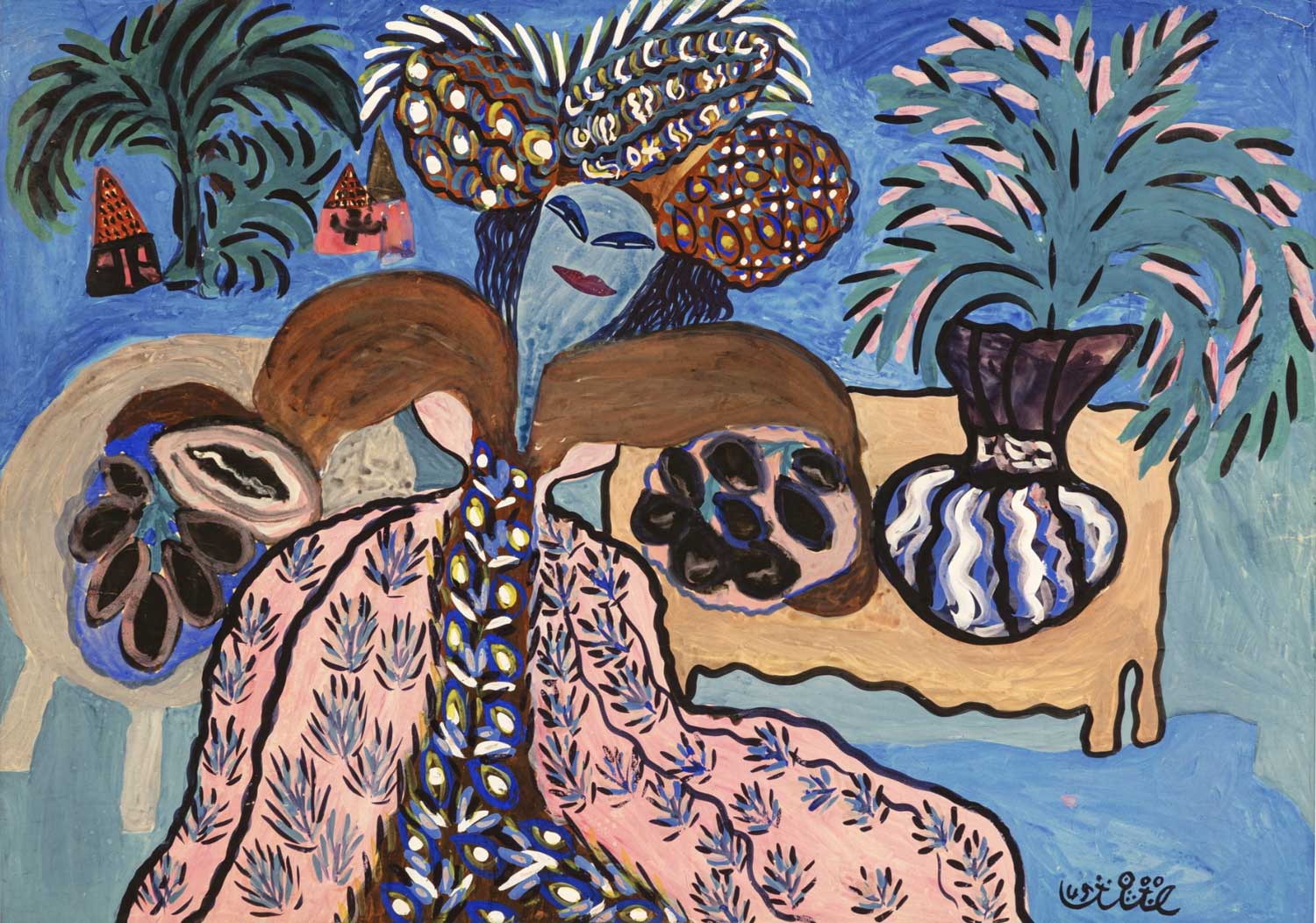
Sotheby’s online sale in April clearly illustrates this. The bidding focused on artists whose historical legitimacy is already firmly established. A painting by Jawad Selim (Iraq, 1919–1961) fetched $417,000, compared to $282,800 at its previous auction appearance in 2014. Baya Mahieddine (Algeria, 1931–1998), meanwhile, exceeded her high estimate by 625 percent. Contemporary artists, by contrast, faced a much tighter market: of the ten artists featured, only four lots found buyers. Several of the most prominent names on the current art scene—Ali Banisadr (Iran, 1976), Mehdi Ghadyanloo (Iran, 1981), Safwan Dahoul (Syria, 1961), and Anna Boghiguian (Egypt, 1946)—remained unsold. Sotheby’s itself summed up the nature of the auction by describing it as “ a sale for enthusiasts and connoisseurs, not speculators.” “. A phrase that praises the market’s quality while implicitly revealing the still-limited depth of demand for contemporary art. A few months earlier, contemporary artists had received a very different reception in Riyadh. The general-interest auction “Origins II” placed them in direct dialogue with Andy Warhol, Pablo Picasso, James Turrell, and Alighiero Boetti. The strategy was clear: not to present Saudi and Arab art as a separate category, but to situate it within a broader art history, alongside international masters. The regional focus ceased to be the sale’s sole scope and became one of its cornerstones. The results validated this strategy: with 95% of the lots sold—including all nine works by Saudi artists—the auction (totaling $4.3 million) quadrupled its initial high estimate.
Africa Breaks the Mold
Yet Riyadh and London did not attract two different audiences: it was the same network of collectors, mobilized by the same auction house, that reacted in such contrasting ways. Does this mean, however, that online auctions penalize contemporary artists? There is no evidence to support that conclusion. The geopolitical context (which deteriorated between the two auctions), the composition of the selection, the level of estimates, and the marketing surrounding the event may all play a role simultaneously. But the presence of globally established names seems to matter: when placed alongside Warhol or Picasso, a regional artist benefits from a different level of visibility and comparison. For the potential buyer, this proximity can alter their perception of the artist’s market standing and lead them to raise their paddle with greater enthusiasm.
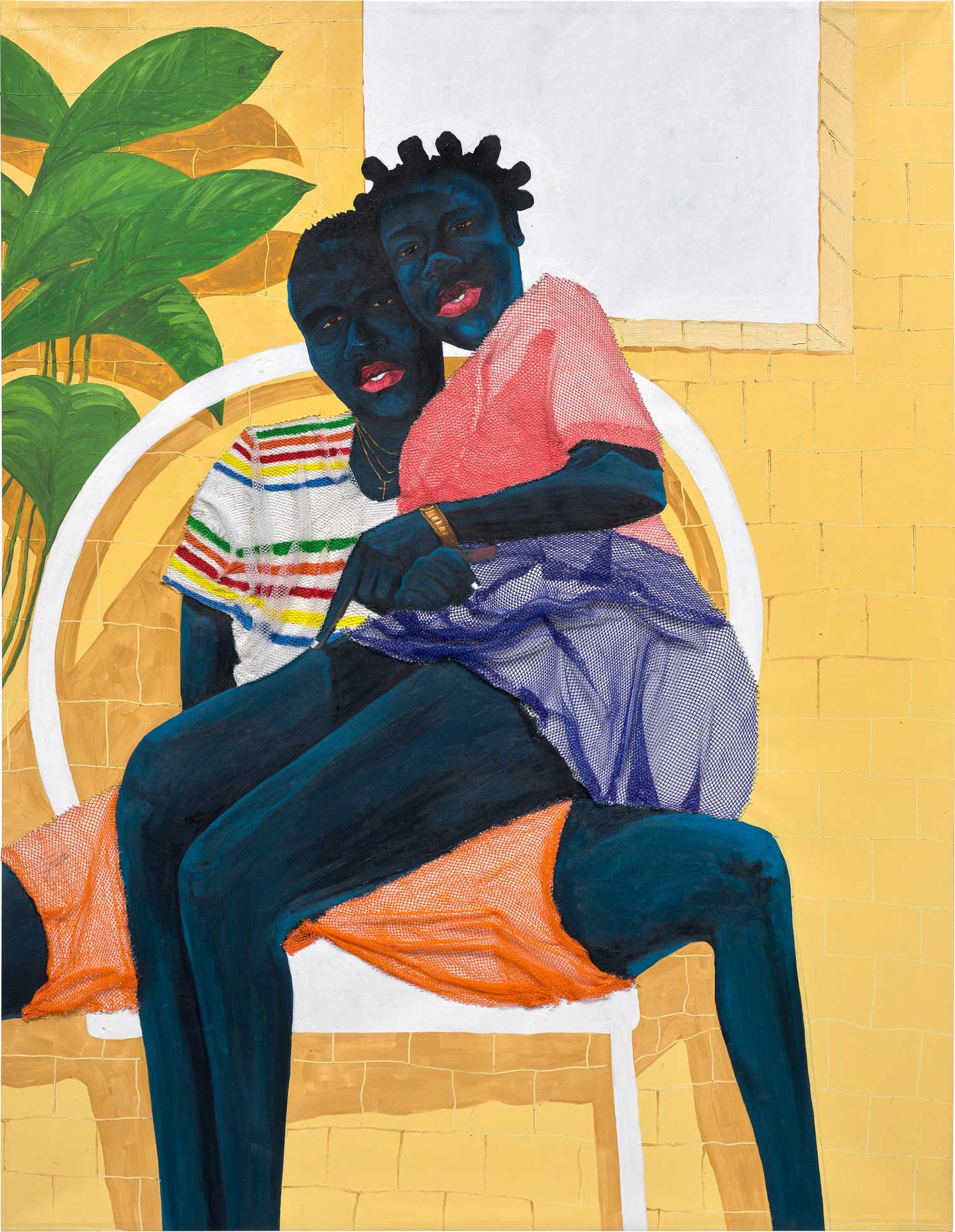
This trend is particularly evident in African art. Bonhams remains the only major auction house today that continues to hold dedicated sales for this category. Christie’s, which has never made it a recurring event, is involved in a different way: by supporting the 1-54 art fair for several years now, it has been backing the groundwork carried out by the primary market, while also bringing these artists to the forefront of its international auction calendar. Sotheby’s, for its part, has changed its strategy. After helping to shape this market through specialized auctions since 2016, the auction house shifted its approach in 2024: these artists are now included in its major international “Modern & Contemporary” auctions. “. The change in status is highly symbolic: their works are no longer presented as representative of a regional art scene, but are now exhibited alongside those of major Western artists. Several outcomes reflect this success, including that of Lisa Brice, with *After Embah* , which sold for $6.9 million at a general auction at Sotheby’s in March 2025—a figure that, on its own, exceeded the highest sale ever organized by the auction house for a dedicated auction.
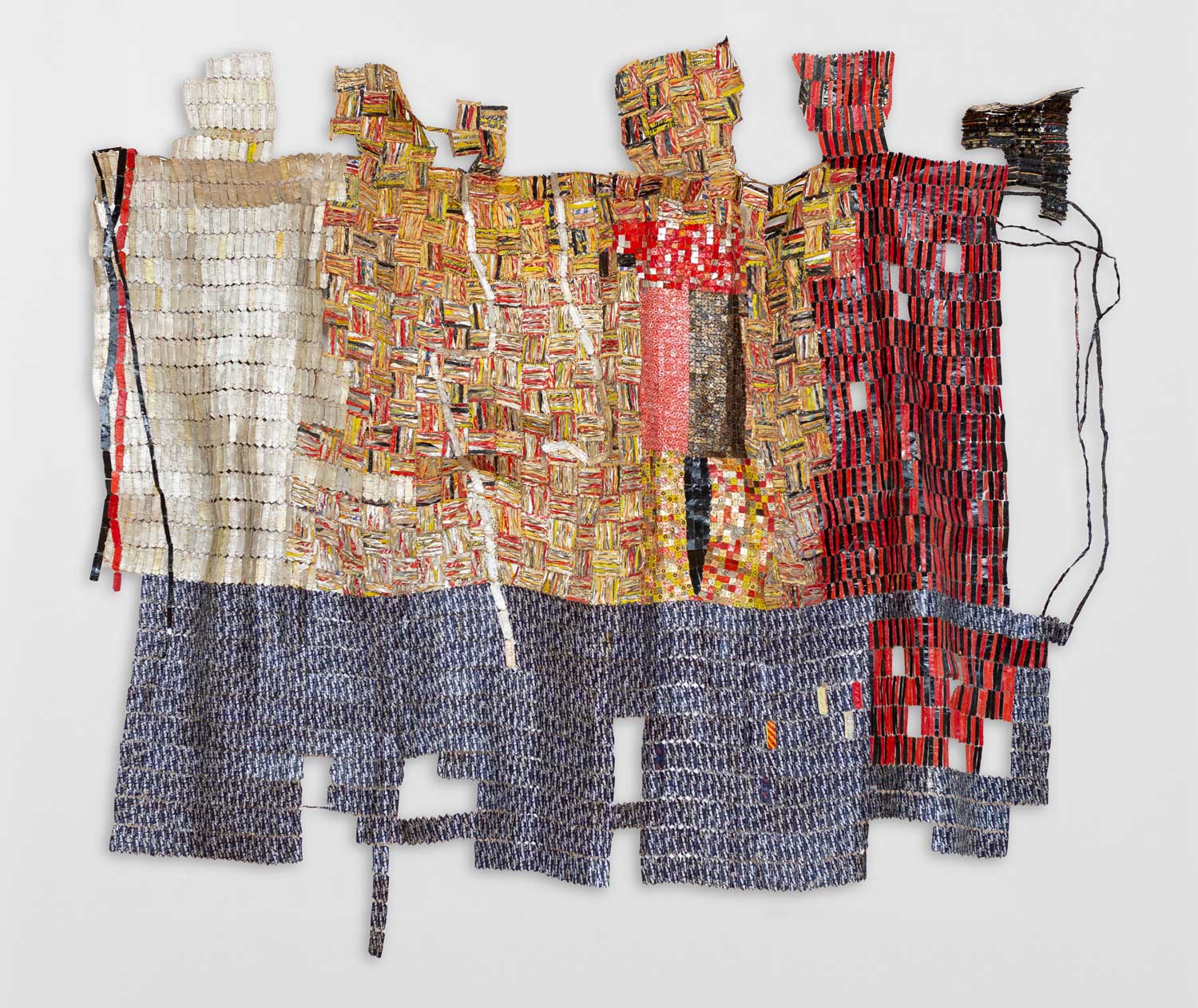
Artprice data, however, suggests this triumph should be viewed with some caution. Since the discontinuation of dedicated sales in London, the number of contemporary lots sold by South African, Ghanaians, and Ivorians—three of the continent’s best-represented nationalities—has plummeted by 73% between 2023 and 2025 at Sotheby’s London, and by 74% at Sotheby’s New York. The conclusion that emerges is paradoxical: integration into generalist auctions drives up prices for a handful of established artists, but at the same time, it closes the door that dedicated auctions had opened to a broader range of still-emerging names. What becomes of a specialized category once one of its own has outgrown it? El Anatsui’s career trajectory provides an answer on a career-long scale. In 2000, when he was virtually unknown in the West, his first works were sold at Bonhams in London, in an auction dedicated to African art. A few years later, his name was on everyone’s lips, and his six-figure prices were driven by a balance between specialized and generalist auctions. His career path shows that the two channels do not simply follow one another but can complement each other. Specialized auctions remain the primary platform available to an artist—the arena where an auction house is willing to take a risk on an artist whose reputation is still emerging, where expertise is built, and where a community of collectors is formed. Generalist auctions, on the other hand, come into play once an artist’s reputation is sufficiently established to be directly compared to major international names.
But the story doesn’t end there. Once established on the global market, an artist like El Anatsui is no longer listed in specialized catalogs as a name to be discovered, but as a benchmark that lends legitimacy to everything around him. In Riyadh last January, it was Warhol and Picasso who provided Saudi artists with a virtuous context to drive up bids. In a sale dedicated to African art today, Anatsui would play that role, lending credibility to an entire generation waiting to be discovered. The path, therefore, is not one-way. The specialized auction helps the artist grow; the artist, once established, can then help the specialized auction that launched his career to grow as well.