Over the past two decades, the Gulf region has established itself as one of the new centers of gravity in the global art world. But behind this rise to prominence lie very different trajectories. The United Arab Emirates, Qatar, and Saudi Arabia: each is developing its own model, balancing public investment, major institutions, and the growth of local art scenes.
By Rebecca Anne Proctor
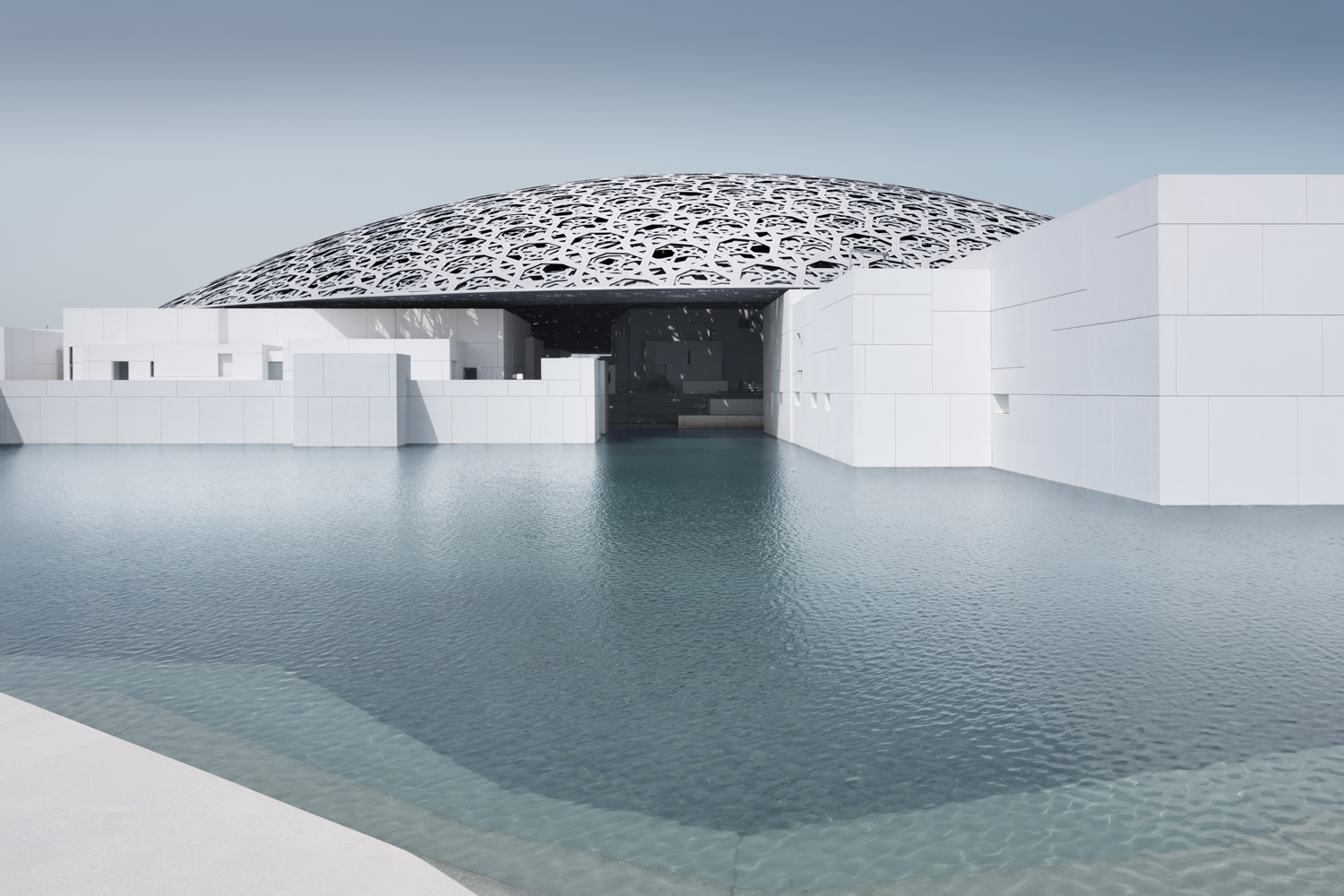
For a long time, the cultural center of gravity of the Arab world remained firmly anchored in the historic hubs of the avant-garde: Cairo, Beirut, and Baghdad. Over the past twenty years, a profound economic and geopolitical realignment has shifted this axis eastward, toward the Arabian Gulf. In Saudi Arabia, Qatar, and the United Arab Emirates, in particular, culture is no longer viewed as an imported luxury. It has become the driving force behind local creative economies, strategically designed to prepare for the post-oil era. But as these states shift from simply funding major international arts institutions to actively developing their own cultural ecosystems, a more complex reality is emerging. The next challenge will be to move beyond transplanted Western models to build their own artistic canons, reconciling local heritage with the identity of a youth that is highly globalized and perfectly at ease with digital technology.
To understand this regional transformation, we must first debunk the external illusion that the Gulf constitutes a homogeneous whole: the cultural logics governing Abu Dhabi, Riyadh, and Doha are as distinct as they are ambitious. Over the past few decades, the United Arab Emirates has methodically redefined the regional—and subsequently global—art scene, positioning itself not merely as a financial hub but as an avant-garde laboratory for cultural investment in the Middle East. This vision dates back to 1993, with the creation of the Sharjah Biennial, which—following its institutional reorientation in 2003 under the direction of Sheikha Hoor Al Qasimi—has now transcended its status as a regional showcase to become one of the world’s most intellectually demanding platforms for contemporary art. In Dubai, the private sector began to take off with the organization of Christie’s first auction in 2006, followed in 2007 by the first edition of the Art Dubai fair. Gradually, a growing number of private galleries opened their doors, not only in Dubai but throughout the United Arab Emirates, followed by the development of monumental, state-funded infrastructure.
A Long-Term Vision
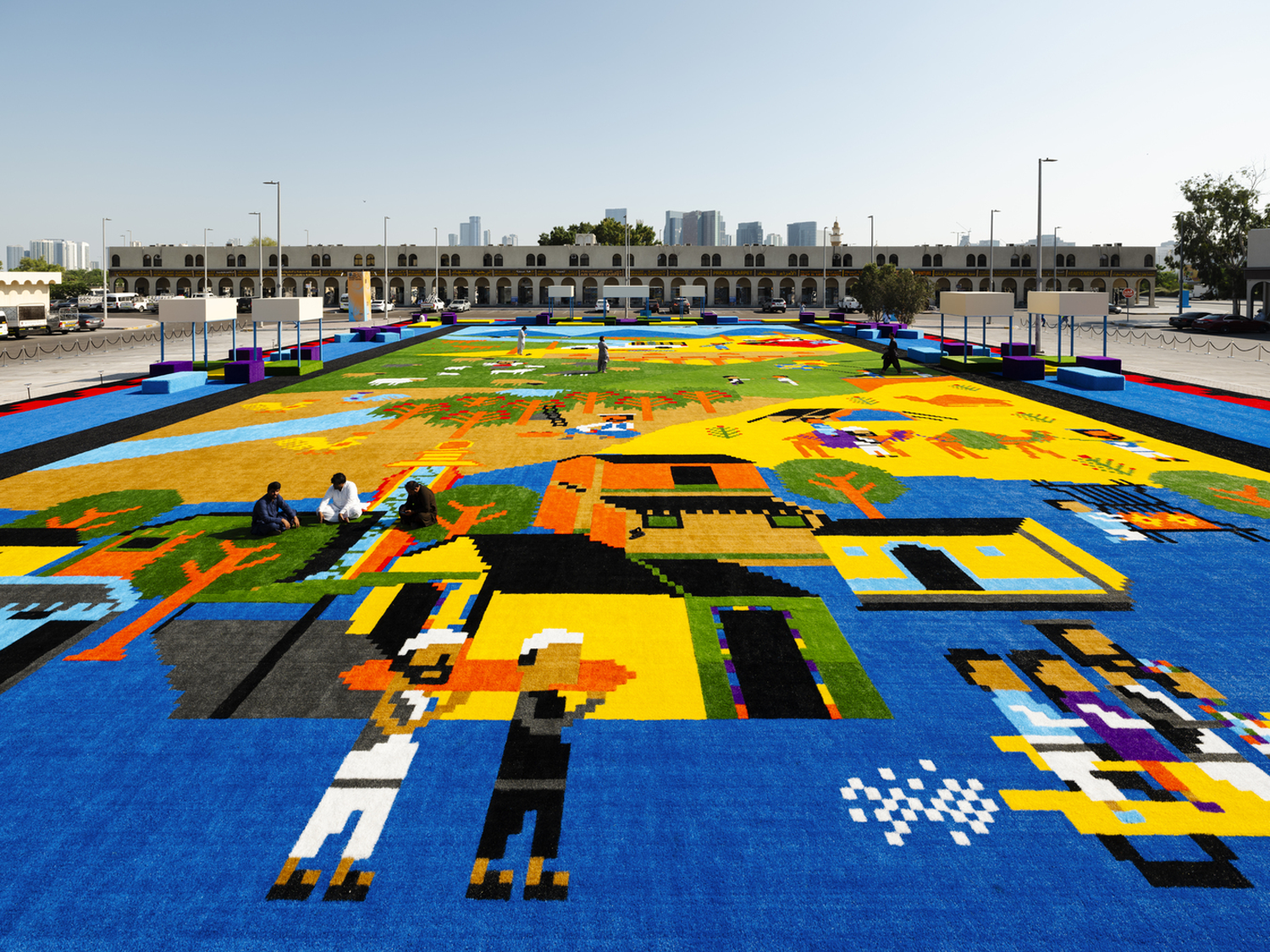
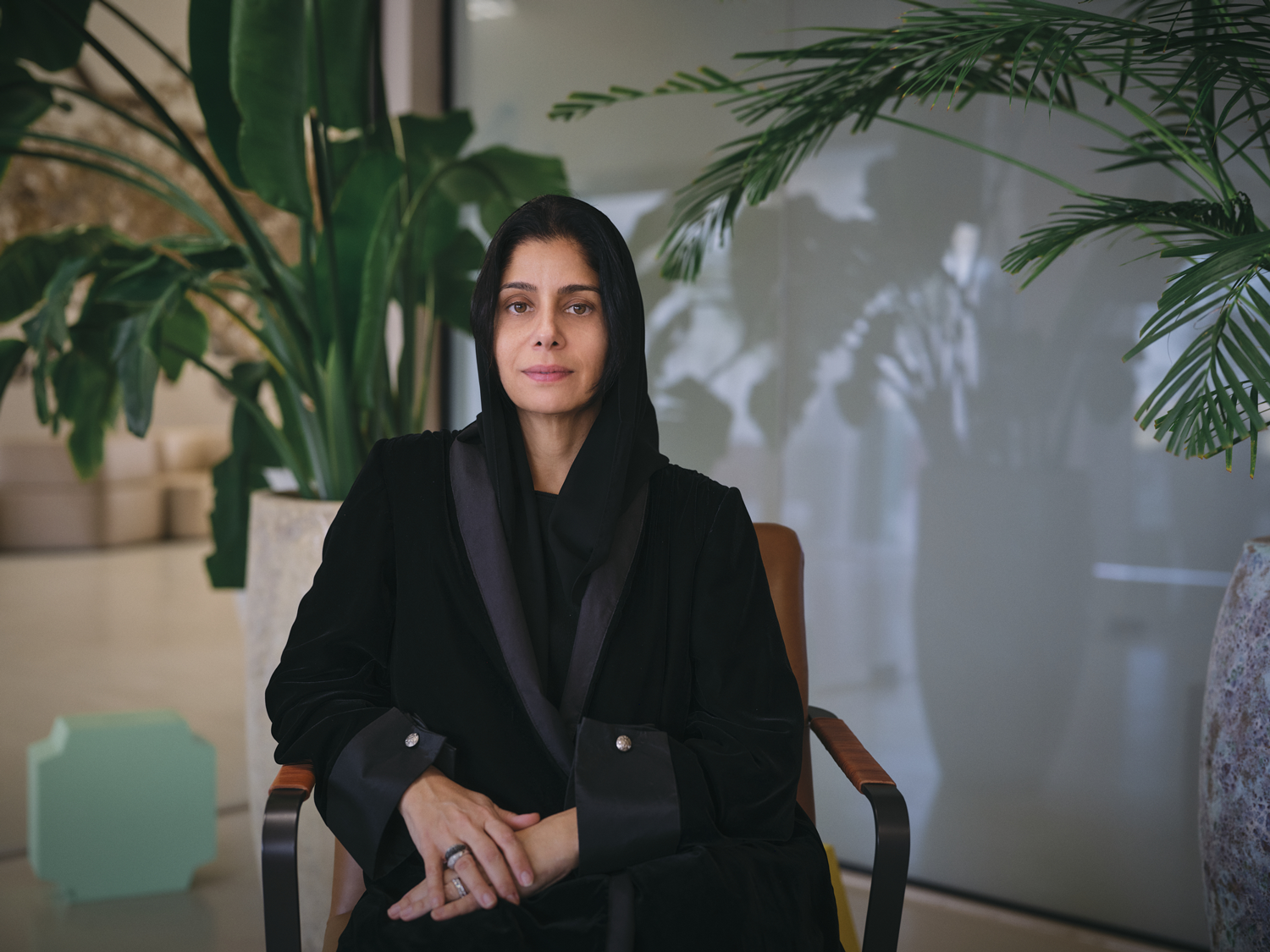
This cultural transformation is a long-term process, insists artist Alia Zaal Lootah, one of the lead curators of the Public Art Abu Dhabi program, which is being rolled out citywide by the Abu Dhabi Department of Culture and Tourism. “ The government is working tirelessly to develop strategies that encompass various sectors,” she comments. Ours focuses on public art and Abu Dhabi’s urban image, which is very important because all delegations, all visits, and everything that represents the United Arab Emirates generally pass through the capital.” “Culture is a central pillar of the Abu Dhabi Economic Vision 2030, a roadmap whose impact now extends throughout the United Arab Emirates. This focus became a reality as early as 2009, when the country became the first Gulf state to secure a permanent pavilion at the Venice Biennale. This international presence is one of the cornerstones of Emirati soft power : it helps shift the traditional image of a wealthy oil power or a futuristic utopia by highlighting targeted investments in cultural development, both locally and internationally.
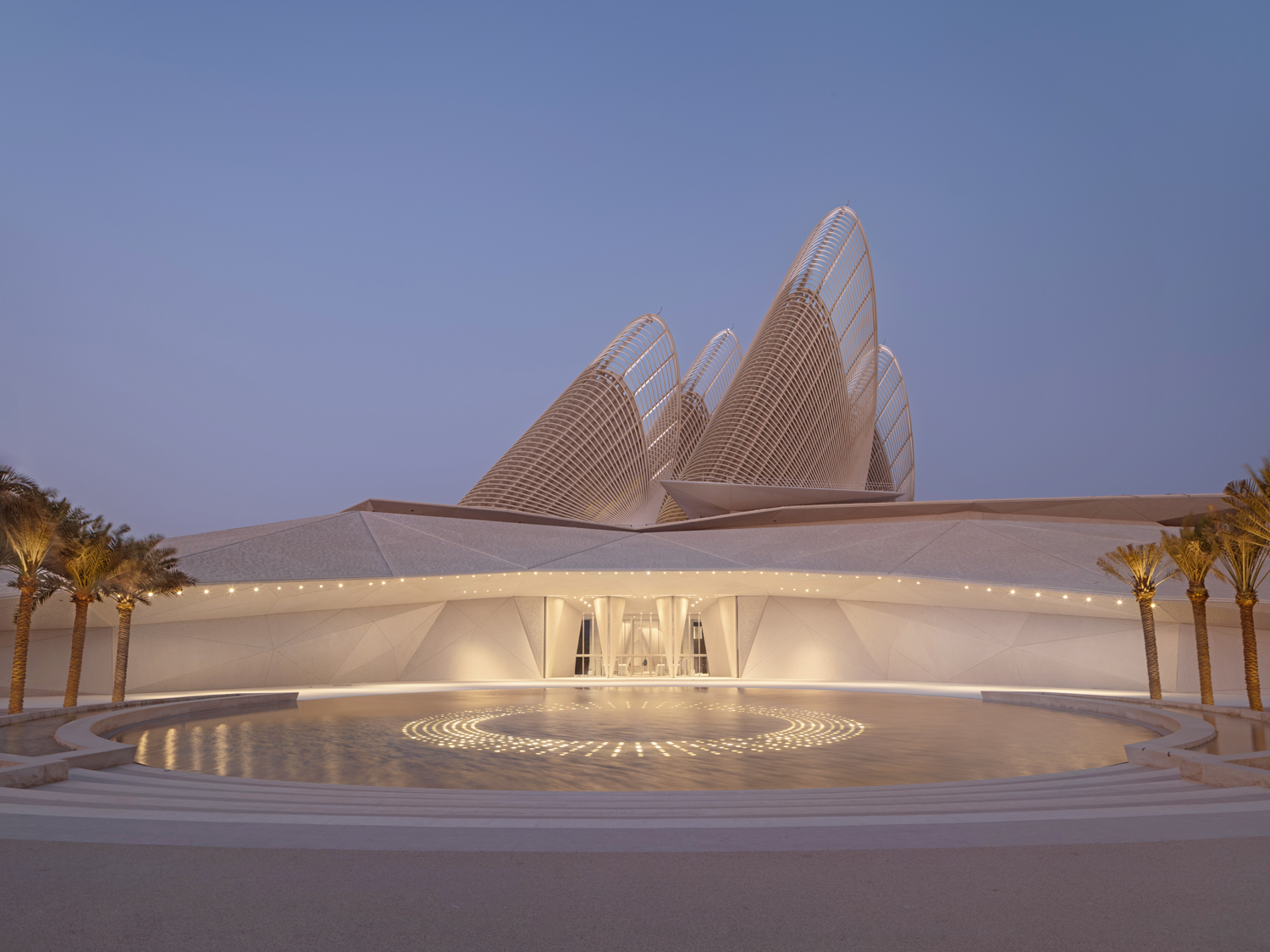
This regional race for diplomatic influence follows in the footsteps of the pioneering model established by Qatar, which has undergone a rapid cultural transformation through investments totaling several billion dollars. Under the leadership of Qatar Museums, a public institution founded in 2005, the country began to establish its global presence through monumental museums designed by internationally renowned architects. This initiative began in 2008 with the opening of the Museum of Islamic Art (designed by I. M. Pei), followed in 2010 by the opening of the Mathaf, an institution specifically dedicated to modern and contemporary art from the Arab world. This development plan continues with future projects scheduled through 2030, such as the highly anticipated Lusail Museum, the Qatar Auto Museum, and the Art Mill Museum.
“ “In our region, documentation and planning are generally considered two distinct fields: historians and archivists work on one side, urban planners and engineers on the other, and the two rarely sit down together at the same table until a decision has already been made,” explains Dr. Fatema Al-Sulaiti, director of international cooperation and government affairs at Qatar Museums and vice president of ICOM Qatar (International Council of Museums). She emphasizes that “this is precisely the balance that the Qatar National Vision 2030 calls on us to find: to pursue development while preserving our identity and heritage, without sacrificing one for the other .”
The Saudi Shift
More recent—and therefore more rapid—than those in Qatar and the United Arab Emirates, the massive investments made by Saudi Arabia are also the most complex to understand. For decades, the Saudi creative scene developed quietly under a strict and conservative Islamic regime. Everything changed in 2016, when Crown Prince Mohammed bin Salman (MBS) launched the ambitious Vision 2030 plan.
The impact on the kingdom has been dramatic: with direct support from MBS, the government suddenly began investing billions in creative infrastructure and dismantling the ultra-conservative restrictions that had long been in place. Public concerts made a comeback, the ban on public movie theaters was lifted in 2018, and new regulations in the creative sector allowed the local arts scene to openly assert itself in public spaces.
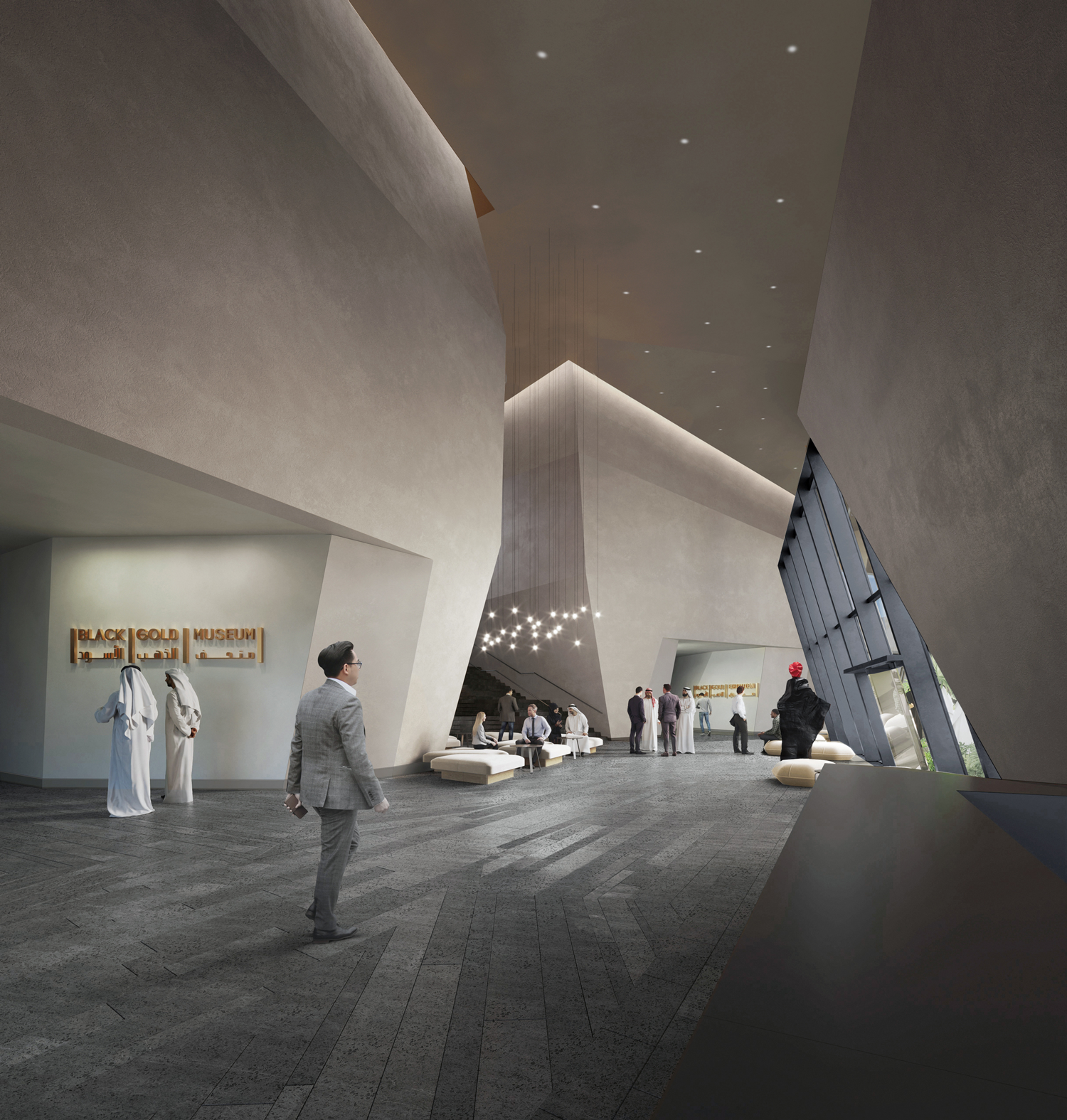
At the institutional level, the Ministry of Culture was established in 2018 under the leadership of Prince Badr bin Abdullah bin Farhan Al Saud. It oversees eleven specialized cultural commissions: architecture and design; culinary arts; fashion; film; heritage; libraries; literature, publishing, and translation; museums; music; theater and the performing arts; and visual arts. “[These are] to make the depth and diversity of our visual arts history—spanning decades, generations, and different approaches to artistic practice—accessible not only to audiences in Saudi Arabia but also to international audiences who may have had few opportunities to discover this history ,” says Dina Amin, Executive Director of the Saudi Visual Arts Commission (VAC).
Build on what already exists
The international reach of Saudi Arabia’s new cultural strategy is directly linked to a major transformation in national policy, which mirrors that of neighboring countries. The development of the creative economies in the Gulf States is based on the belief that culture not only generates economic growth but also contributes to the education of the population, the strengthening of local communities, and intercultural dialogue.
“ Vision 2030 has clearly put culture in the spotlight, explains Dr. Alia Al-Senussi, a senior advisor to major cultural organizations, including Art Basel and the Saudi Ministry of Culture. The announcement could not have been clearer: culture would play a major role in Saudi Arabia’s future, and Vision 2030 was intended to support a culture that already existed. It wasn’t simply a matter of creating something from scratch. In fact, what we’ve seen since then is that Saudi artists and cultural actors now enjoy a level of support that didn’t exist before. ”
This rapid cultural transformation could not have taken place without the prior existence, in these countries, of robust art scenes that largely emerged from grassroots initiatives. Artists who were already creating works and forming collectives across the Gulf provided the impetus that allowed governments to build upon and develop what already existed, while drawing on and celebrating the unique heritage and traditions specific to each Gulf country. Prominent public figures in the cultural world active in the region emphasize the importance of combining traditional and contemporary art as each country continues to develop its cultural scene. “ Our approach combines professional development, cultural exchange, and public dialogue to strengthen the participation and development of Saudi artists and professionals, while forging closer ties between the Kingdom’s visual arts community and the broader arts sector, adds Dina Amin. We do not view traditional and contemporary practices as separate, but rather as components of a continuous and ever-evolving visual arts landscape. ”
Now that the infrastructure is largely in place, a new question arises in the Gulf: How will these cultural ecosystems consolidate, gain autonomy, and develop their own models? Stay tuned in December, following the highly anticipated and closely watched opening of the Guggenheim Abu Dhabi, for the second part of this series analyzing the new balances emerging in the Gulf.