Presented this year, Bouchra is the new film by Meriem Bennani and Orian Barki. Drawing on recordings of conversations between Bennani and her mother, the two directors have created an animated autofiction that follows a Moroccan filmmaker living in New York and her mother, who remains in Casablanca. An intimate story that shifts the focus from the issue of coming out to the more universal question of whether it is possible to understand one another, according to our critic Houda Bensebaa.
By Houda Bensebaa
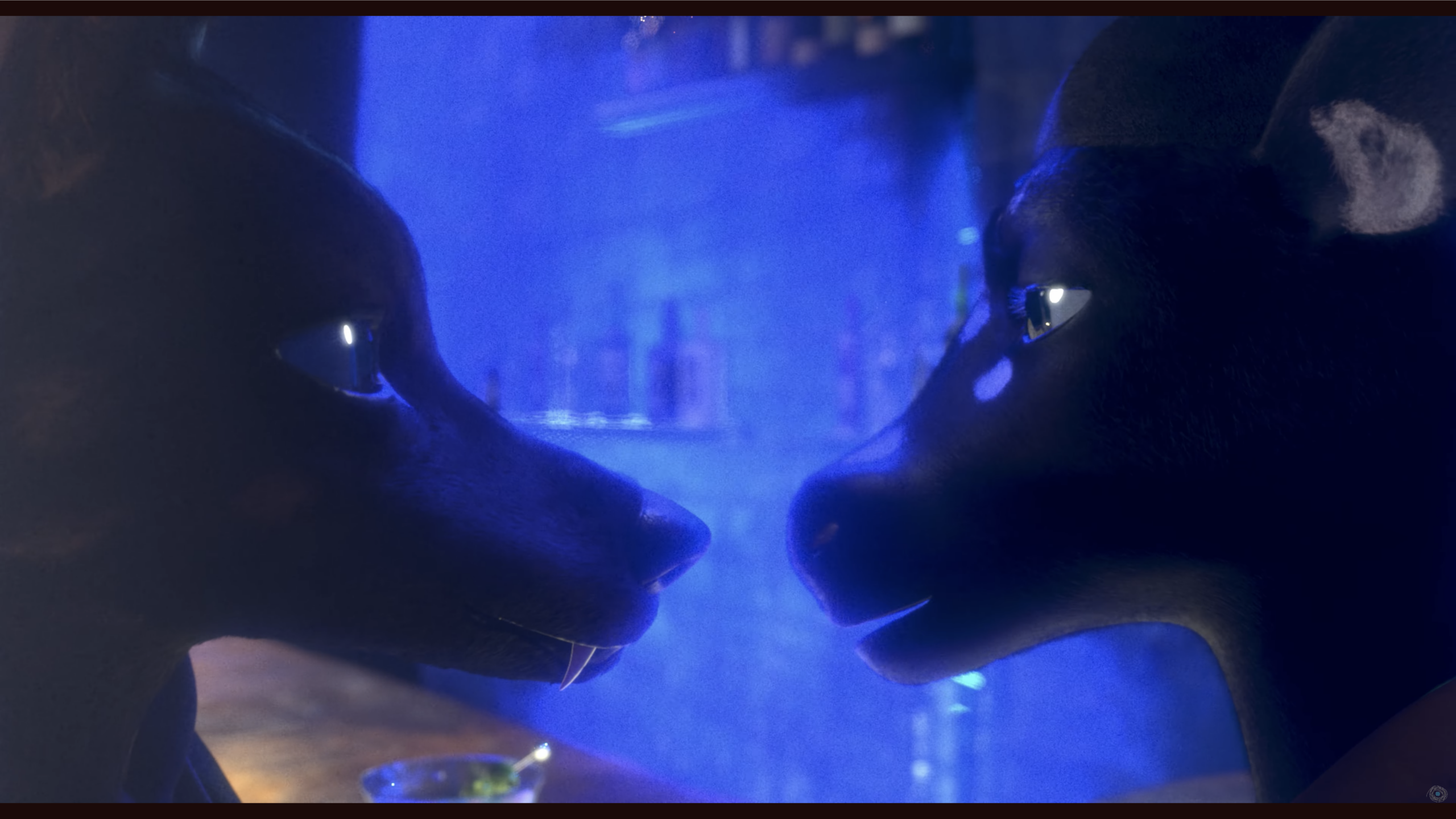
How do you tell a story that’s impossible to tell—the story of yourself? How do you tell your own story without exposing the faces of those you love? The film Bouchra answers this question with a gesture of great formal ingenuity: Meriem Bennani and Orian Barki weave an animated autofiction, a bestiary of talking animals set to a backdrop of electronic raï and Lil Radio. The choice of animals is a deliberate artistic decision: entrusting our voices to other species is to reject the pretension of a humanity that believes itself to be at the center, disconnected from all living things. I see in this a rare humility.
The film is based on hours of recordings of real conversations between Meriem and her mother. Listening to these recordings led to one certainty: writing alone could never have achieved this level of authenticity, this special bond between a mother and her child as they strive, through countless attempts, to understand one another. Even amid the unease so characteristic of family life. Even across the generational divide and differing desires. An understanding that is rooted in Moroccan culture, its words, and its expressions.
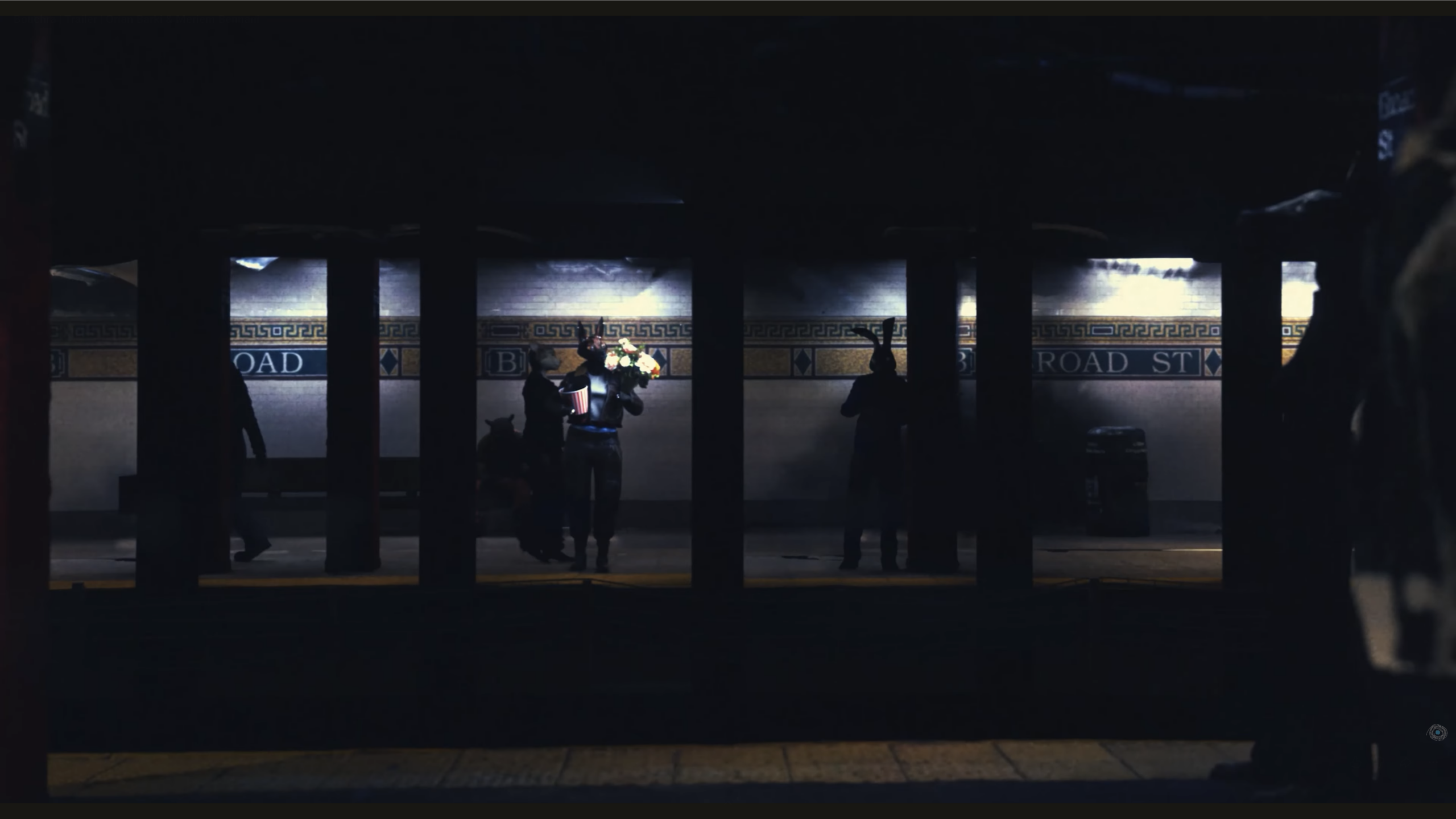
Bouchra is a film within a film. The protagonist is a filmmaker living in New York who maintains a relationship with her mother in Casablanca through phone calls. The narrative unfolds through two intertwining voices, oscillating between distance and reunion. The absence of the word queer in Moroccan public discourse is never treated as a shortcoming. The film resists the temptation to tick boxes or to represent for the sake of representation. What the mother is looking for is not an imported lexicon: it is her own way of coming to terms with the fact that her daughter loves women.
The sound design is exceptional. Raï music drives the film, setting the rhythm for both the celebrations and the moments of introspection and collective grace. And the voice—that of the mother, that of the daughter—becomes the most vulnerable and intimate gift the filmmakers share with us.
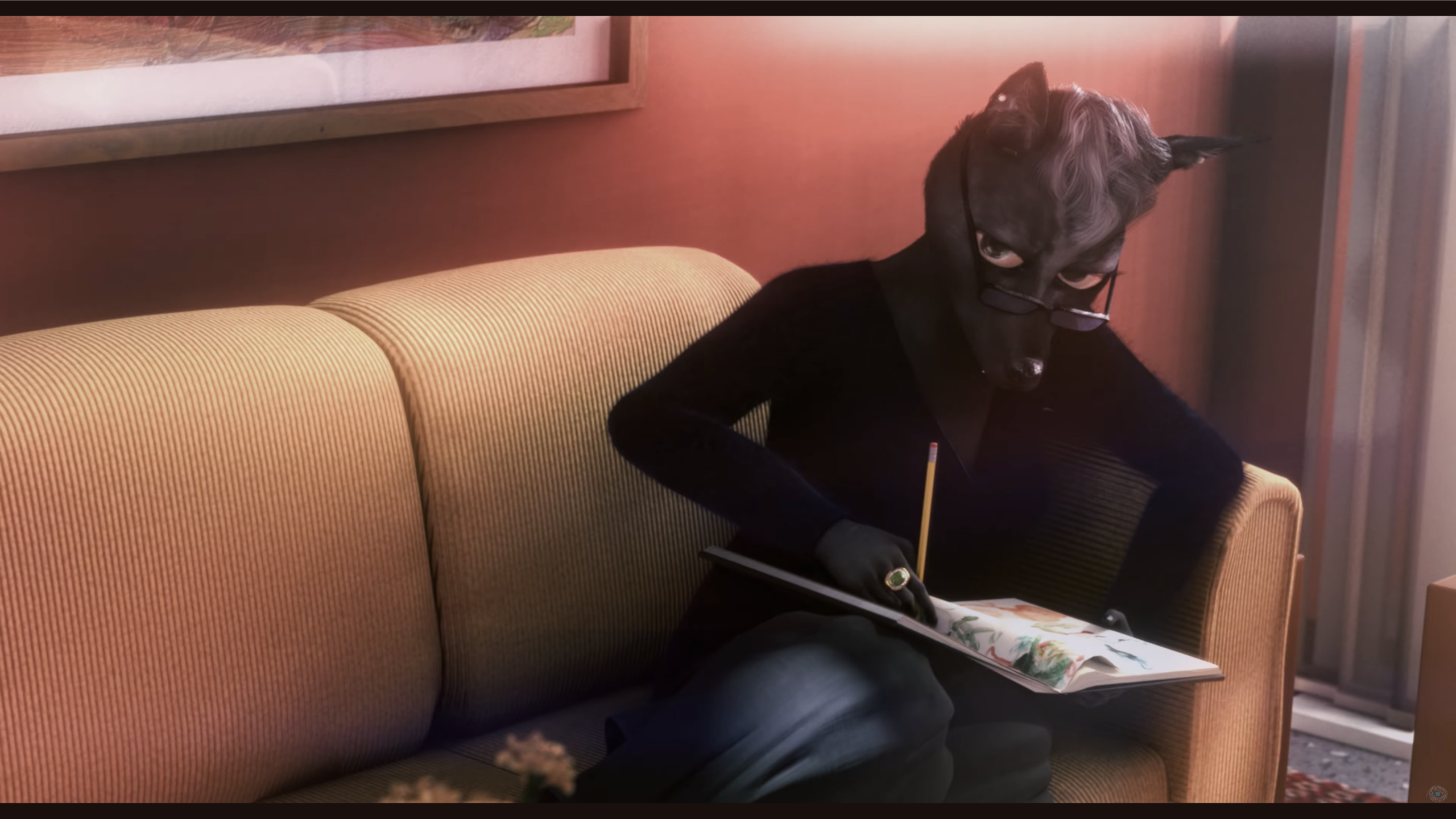
There is in Bouchra a deliberate, almost assertive contrast between shots captured on an iPhone and the artistry of animation—evident even in the attention to detail in the textures, fur, and the animals’ paws. The contrast between cutting-edge visual treatment and everyday techniques is not a limitation: it is an aesthetic of contemporaneity.
Bouchra is a film about communication, connection, and the importance of having a language in which we recognize ourselves. It is not a black-and-white film about good and evil. It is not a film filled with heavy silences. It is a film in which understanding is shown for what it is: a slow, imperfect, yet necessary process.
This translation was generated using AI. For the original text, please see the French version of this article.