For its 7th edition, which concluded on Sunday, Menart Fair drew a large crowd, but collectors were few and far between. While lower-priced works found buyers, sales remained modest. This poses a challenge for the fair, which is dedicated to the art scenes of the Middle East and North Africa and has yet to turn its critical acclaim into commercial success.
By Olivier Rachet and Emmanuelle Outtier
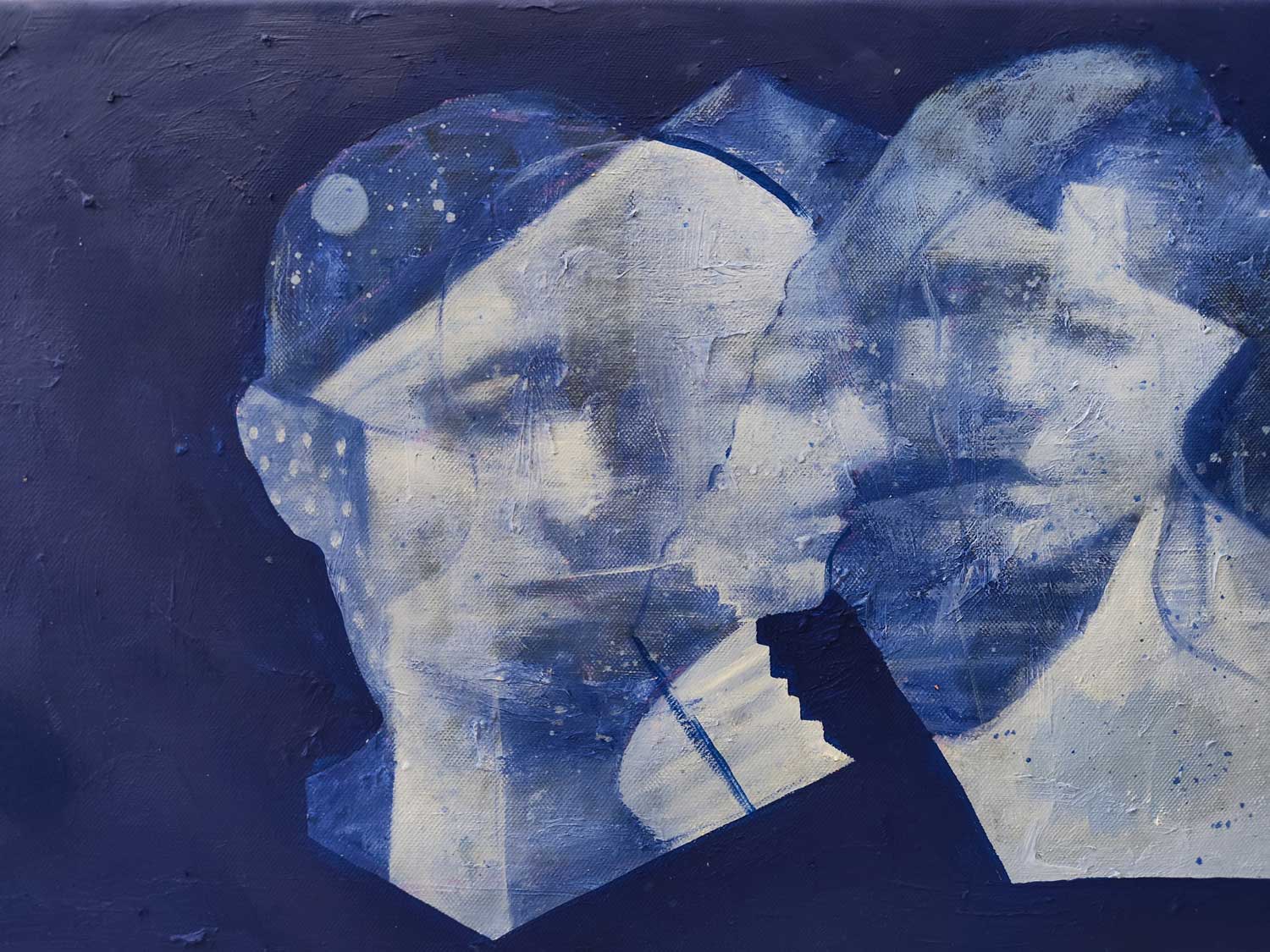
At 300 euros, the cyanotypes by Tunisian artist Sirin Boubaker were selling. At 6,000 euros, the paintings by Libyan artist Fakhri Guedafi were struggling to find buyers. At Menart Fair, visitors turned out in force, but collectors were notably fewer. “ A difficult edition ,” summarized a seasoned observer of the fair, who pointed to an unfavorable market climate marked by tensions in Paris and a shortage of buyers.
This year, 34 galleries from 18 countries made the trip to Paris, 47% of which were returning participants. This attests to a certain level of exhibitor loyalty, but not necessarily to strong commercial momentum. Shiran Ben Abderrazak of the Brussels-based Armature gallery (and a contributor to Diptyk) made a few sales, thanks mainly to his network. On site, there were many curious onlookers but few collectors. A few booths fared well, mainly with works priced under 1,500 euros.
That wasn’t enough to discourage the gallery owner, who had come primarily to showcase the work of Tunisian artist Sirin Boubaker, whose bittersweet paintings and cyanotypes he was exhibiting in the Revealingsection. From this perspective, it was a success. And that is the paradox of Menart: a fair that sparks curiosity and enjoys genuine critical acclaim, yet whose sales still rely largely on impulse buys at low prices.
Mixed Sales
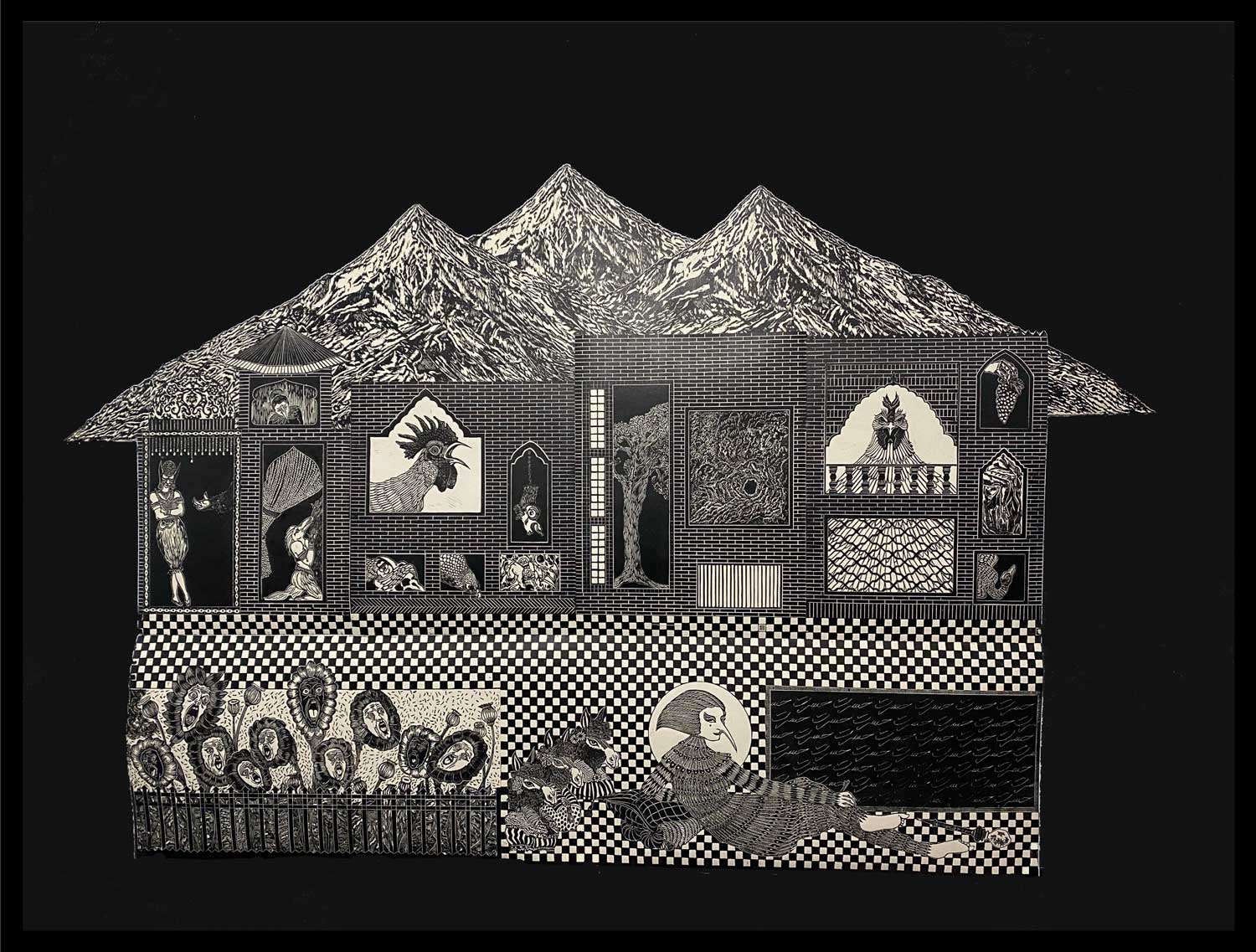
In fact, it was the most accessible works that seemed to have won over visitors willing to take the plunge and make a purchase. A few booths away from Armature, the Paris-based Iranian gallery Keshavarzian showcased linocuts by Tehran-born artist Mojdeh Atrak, which were flying off the shelves with prices ranging from 600 to 8,000 euros depending on the size.
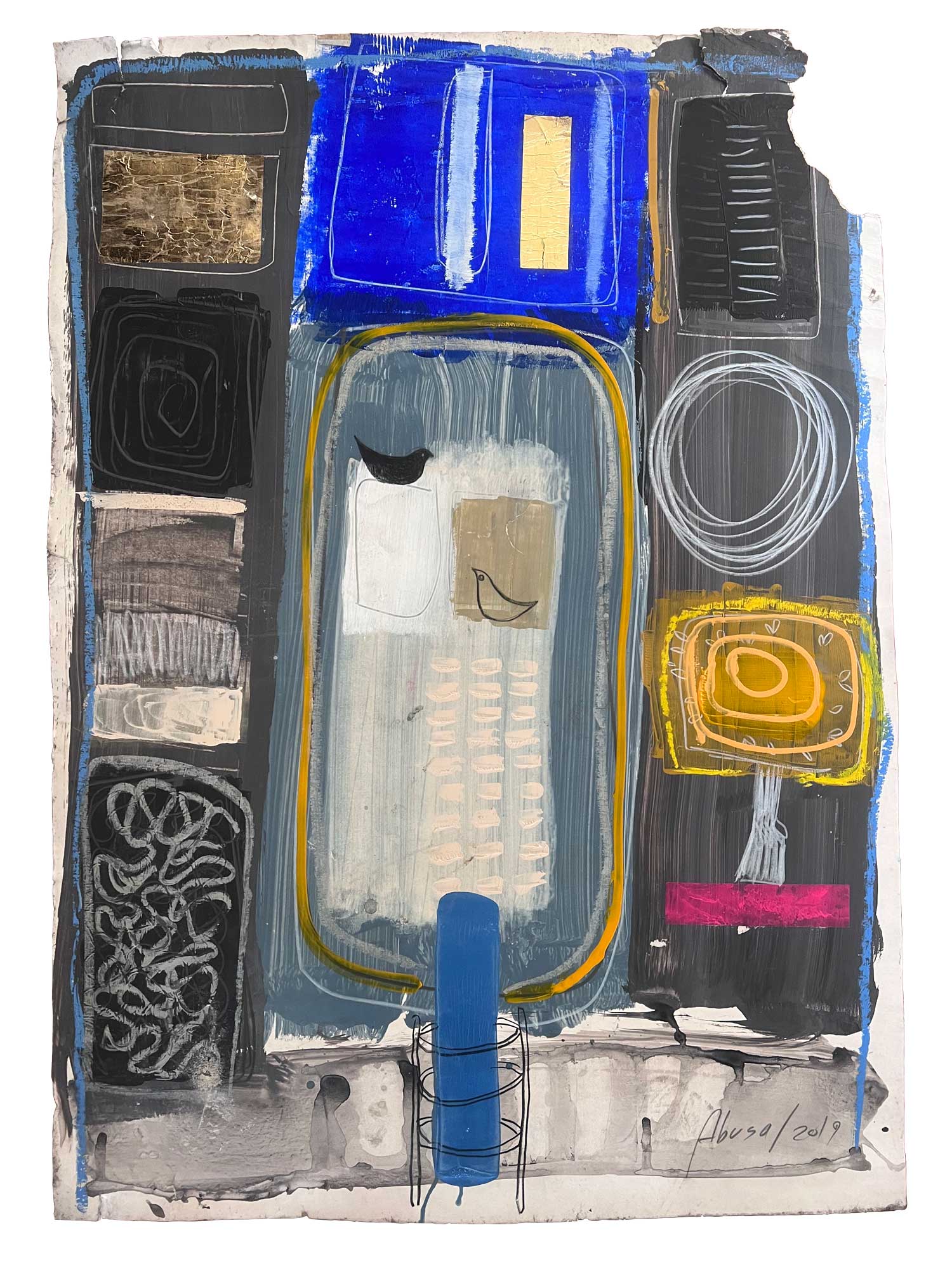
Transactions were also concluded at higher prices. At Turab Art Project, a gallery from Ramallah, two works on paper by Palestinian artist Mohammed Abusal found buyers for 6,500 euros. At the Parisian gallery Bessières, a regular at the fair, photographs by Lebanese artist Serge Najjar—featuring geometric architectural forms bordering on abstraction and highly sought-after at the previous edition—were priced between 3,000 and 5,000 euros.
But sales were far from going as smoothly everywhere. Among the newcomers, the Libyan gallery Beit Eskender struggled to find buyers for Fakhri Gaddafi’s paintings, priced between 5,000 and 6,000 euros, unlike the oil portraits by the young Jordanian painter Ahmad Turki, represented by Artinerary—a regular at Menart Fair—which drew more interest. Set against monochromatic red or orange backgrounds, his ghostly faces convey an unsettling strangeness.
The Challenge of Building a Market
There remains the thorny issue of sales figures, in a year complicated by the fair’s closure on Saturday, October 24, due to protests in Paris. This posed an additional obstacle for galleries, which also rely on the weekend to close out their sales. But Menart’s difficulties are not limited to this early closure.
Laure d’Hauteville, the founder of Menart, doesn’t take the easy way out. By taking a chance on an art fair dedicated to the art scenes of the Middle East and North Africa, she also welcomes galleries from particularly challenging regions, such as Palestine, Iran, and Libya, which are still underrepresented at major international art fairs. This positioning is what makes Menart unique, but it is not enough to attract a sufficiently large clientele of collectors. The fair’s venue itself—whose multi-level layout is not easy to navigate—also does not help it move upmarket.
Regardless, Laure d’Hauteville—who is celebrating the 40th edition this year of the various fairs she has organized around the world—remains confident nonetheless. “ We’re growing. In fact, other fairs are starting to represent artists from our regions ,” she says. Seven editions after its inception, Menart Fair seems to have found its audience. The challenge now is to turn this critical acclaim into hard cash.