Artworks hurriedly removed, empty booths, and an early closure: Art Basel Paris had a turbulent 2026 edition. With sales in the millions and galleries generally satisfied, the market held up well—against all expectations.
By Emmanuelle Outtier
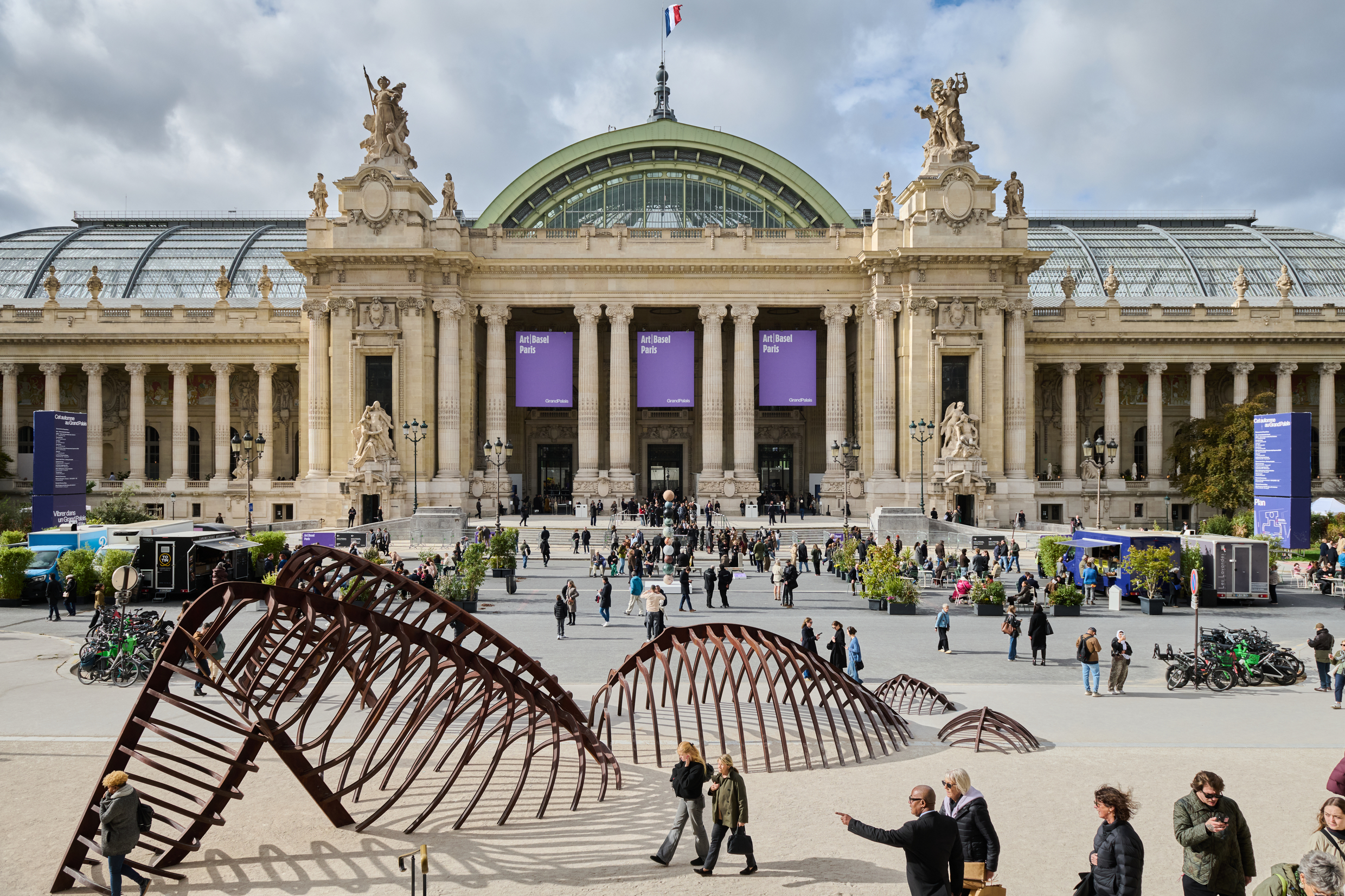
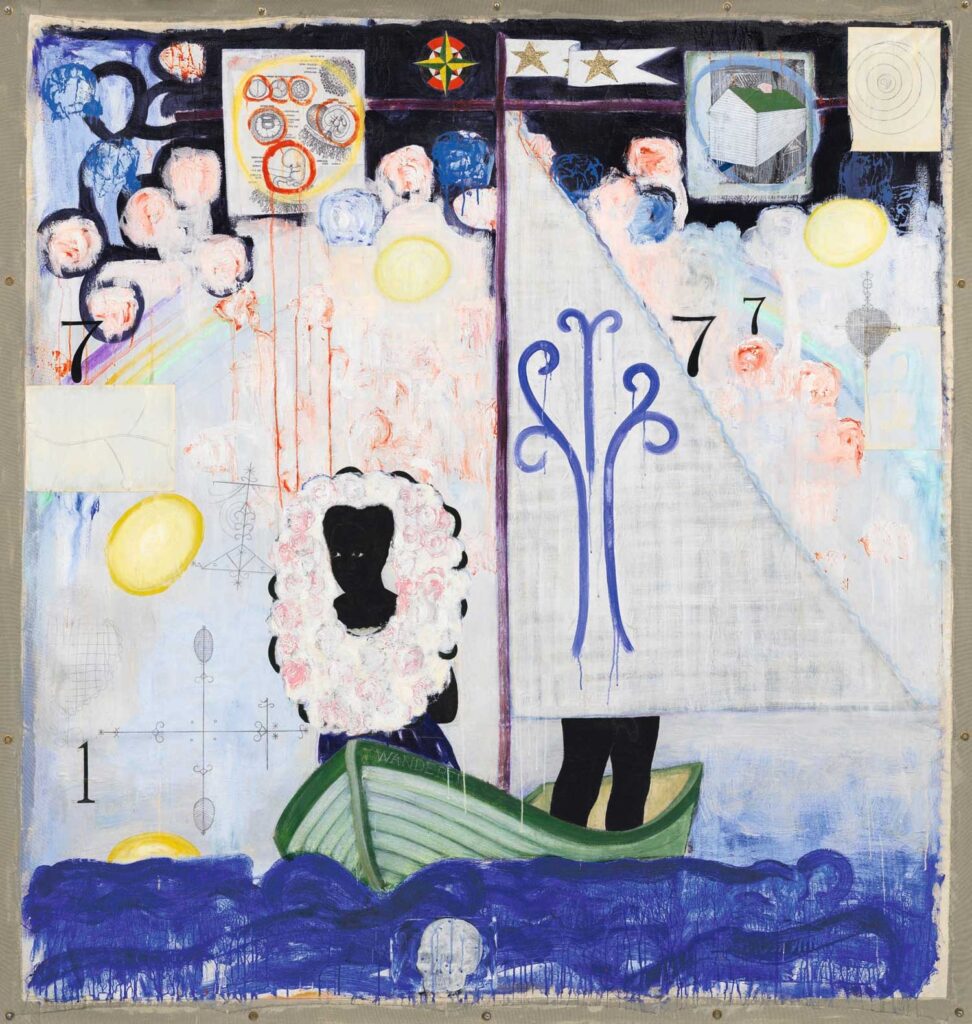
On Wednesday, it was still hanging at David Zwirner’s gallery. By Friday, the Kerry James Marshall worth 7 million euros had disappeared. Sold? “ Removed that morning “, replied the gallery, looking a bit embarrassed. At several booths, such as Hauser & Wirth’s—whose walls were practically empty—works valued at several million euros had been taken down. Industry professionals feared high-impact protests by activist groups that had called on social media for people to gather on Saturday, October 24, in front of the Grand Palais to denounce what, in their eyes, represents the epitome of unbridled capitalism and an art world disconnected from social realities. In fact, there had never been so many trucks around the Grand Palais: about fifty, which had come to hurriedly retrieve the works after the fair’s premature closure on Friday evening, two days before the scheduled date. Weekend visitors, meanwhile, were left empty-handed, some having already paid 47 euros for their admission tickets.
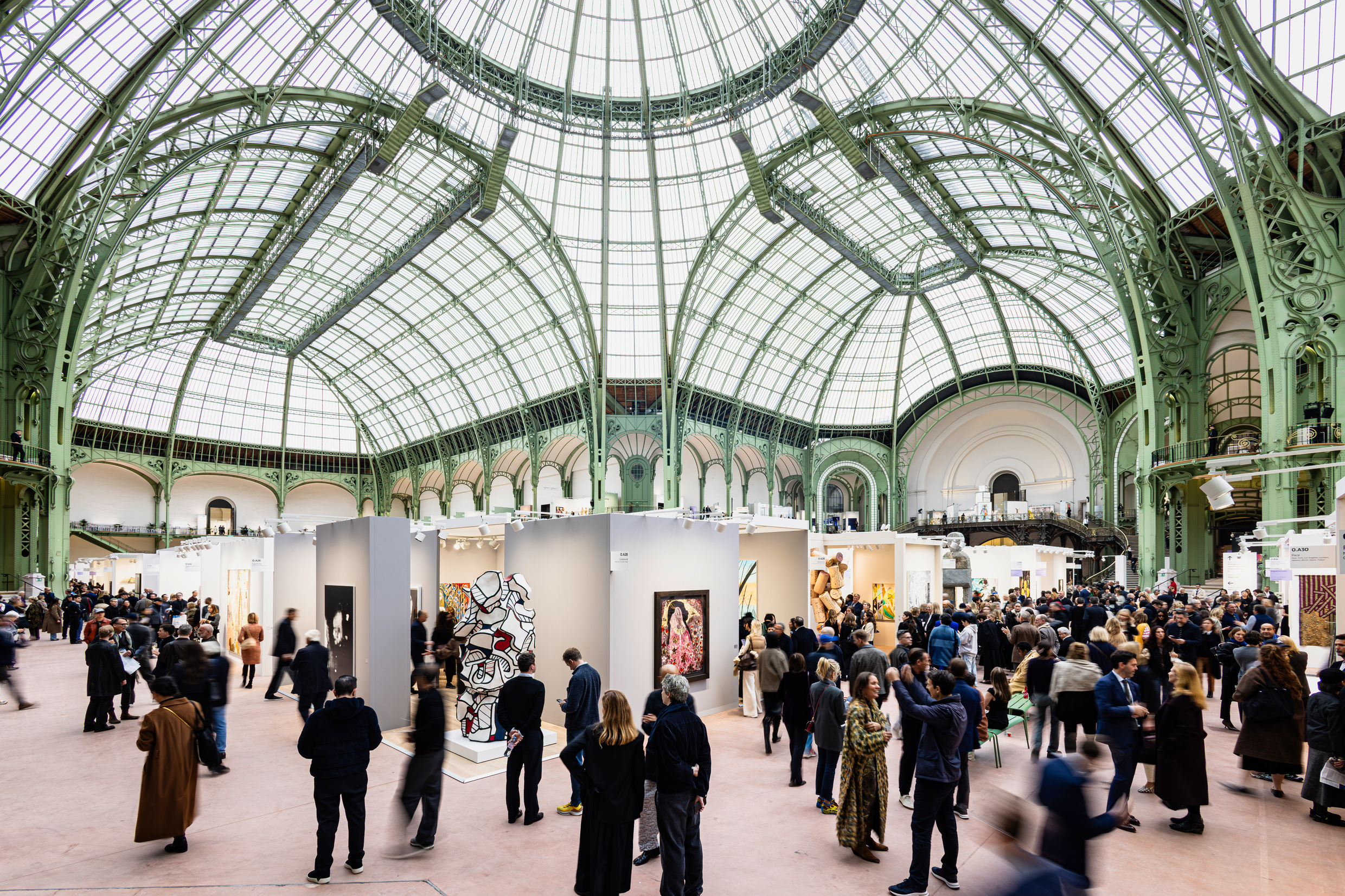
“ ‘It was the right decision to make,’ ,” says Mathieu Paris of the White Cube gallery, who also “ removed” a work by Calder that was on consignment. Was that enough to spoil the festivities? Certainly not for the gallery, which racked up a string of million-dollar sales: a painting by Julie Mehretu sold for $7.85 million, an El Anatsui for $2 million, and several medium-format textile works by Ibrahim Mahama that sold on the very first day, for between 100,000 and 150,000 euros each. While there may be a disconnect, the market hasn’t slowed down for the major galleries, which are reporting staggering sales. At David Zwirner, a painting by Marlene Dumas sold for $3 million and a Gerhard Richter for $8.5 million. Pace sold La Chaise (1964) by Jean Dubuffet for more than $5 million, while Mennour sold a Lucio Fontana for 1.75 million euros. Ironically, the threat of protests seems to have had little impact on the business of the market’s major players, even though they were the targets of the protests. “ On the other hand, the situation is more dire for smaller galleries ,” admits Mathieu Paris.
(Surprisingly) favorable sales climate
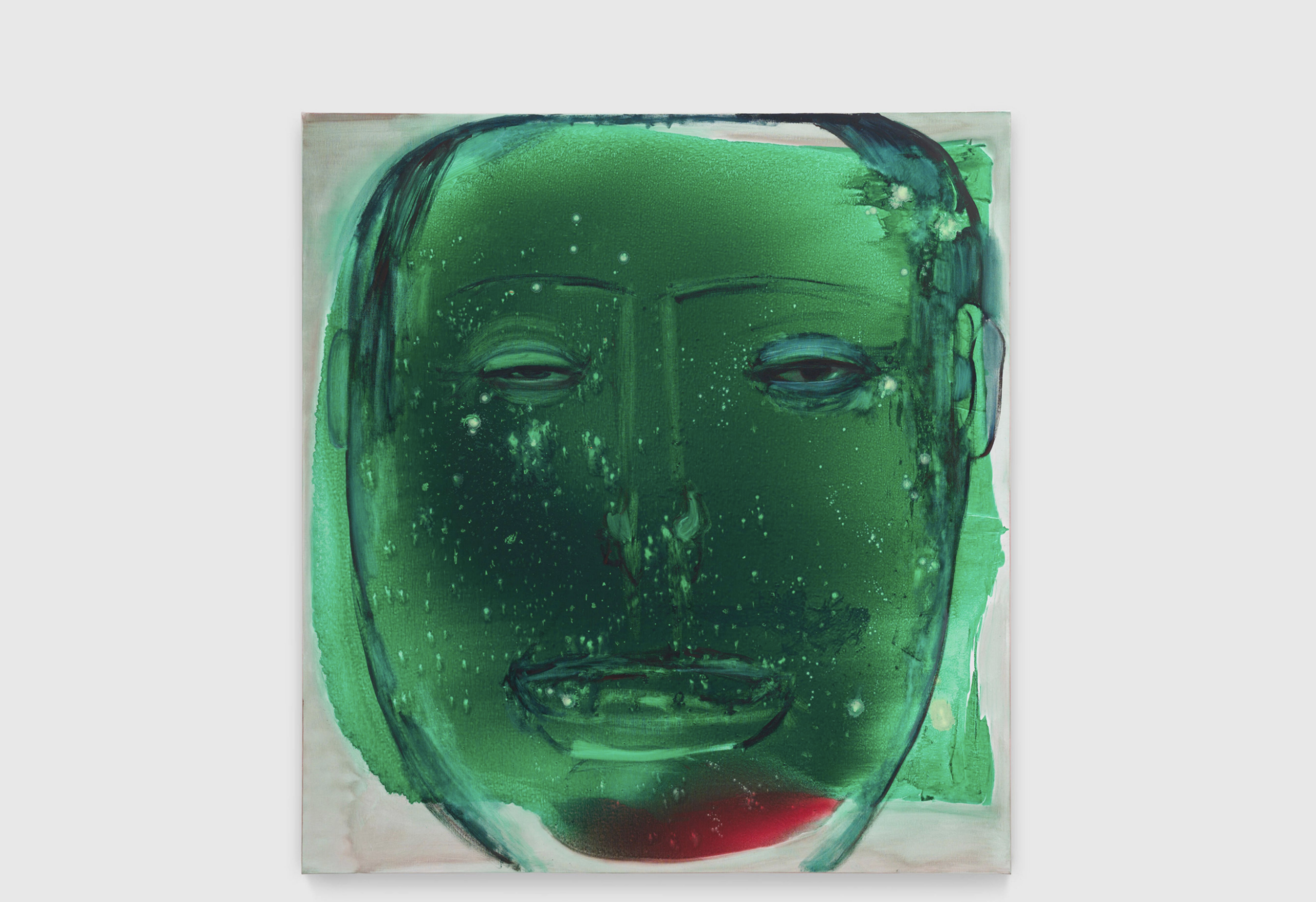
For small and medium-sized retailers, deals involving smaller amounts are sometimes finalized right up until the last hours of the trade show. The loss of revenue remains difficult to estimate. “ We’ll never know if this would have been a very successful edition ,” says Federica Angelucci of Stevenson. The South African gallery, however, isn’t doing too badly. With a painting by Portia Zvavahera, two by the Indian artist Sosa Joseph, and a collage by Frida Orupabo, it has nonetheless “ made (its) booth profitable .” The gallery benefited from the growing international recognition of its artists: the Zimbabwean artist Portia Zvavahera, for example, benefited from the “Christie’s effect” after the auction house sold her painting *This is where I traveled* [3] for 307,200 British pounds on October 14 in London—an auction record for the artist. “ “Buyers came to see us with the Christie’s auction on their phones. They wanted the same thing!” ” says the gallery. To make up for the fair’s closure, the gallery organized a virtual video tour on Sunday for interested collectors.
Paradoxically, the mood was far from gloomy in the aisles of Art Basel. On the very first day, Selma Feriani sold a large-format ink-on-paper work by Tunisian artist Aymen Mbarki to a private American collection for 10,000 euros. Proof, if any were needed, that Americans were still present this year despite the protests. “ All in all, there were few cancellations “an insider told us.” For Selma Feriani, the sales climate was even more favorable than at Frieze, where she had also presented her artists a week earlier. Collectors’ appetite for the earthy paintings by the young Italian-Tunisian artist Monia Ben Hamouda was confirmed when all the works she brought to Art Basel sold out. Buyers also had to act fast at Cécile Fakhoury’s booth, which, by the second day, had sold four of the five paintings by Carl Édouard Keïta, a young Senegalese artist who blends African references with influences from European avant-garde movements, particularly Cubism and Futurism. The works were priced between 7,000 and 25,000 euros, depending on their size. These relatively accessible prices reflect a broader trend in the art market. According to the latest Art Basel & UBS report, 87% of transactions made by galleries in 2025 involved works sold for less than $50,000, compared to 85% in 2024.
This year, no Moroccan brand won the coveted prize. Moroccan artists—the usual suspects —who were represented could be counted on one hand: Meriem Bennani at François Ghebaly with drawings, Yto Barrada at Sfeir-Semler, M’barek Bouhchichi and Sara Ouhaddou thanks to Selma Feriani, and Farid Belkahia at the booth of the Tunisian gallery Le Violon bleu, which, for its first appearance at the fair, dedicated a solo show to him. “ I met him thirty years ago,” says Essia Hamdi, the gallery’s founder. “I had promised him that if we were selected for FIAC—back then it wasn’t yet Art Basel—we’d give him a solo show. Here we are.” “. This choice is part of a trend observed over the past two weeks in both London and Paris: a renewed interest in African modernism. Following major exhibitions such as “Nigerian Modernism” at the Tate Modern and “Paris Noir” at the Centre Pompidou, modern African artists are increasingly attracting the attention of collectors and galleries. For its first appearance at Art Basel Paris, the Kó Gallery (Lagos) presented works by three leading figures of Nigerian modernism: Uche Okeke, Obiora Udechukwu, and El Anatsui. While the gallery does not wish to disclose sales figures, the premature closure of Art Basel cut short the momentum, according to Sinead Keri: “ We could have closed more deals if we’d had more time.” “. Overall, the threats of protests did little to dampen collectors’ enthusiasm. But while the major galleries had already made most of their sales, the smaller ones might have needed these last two days to make a difference.