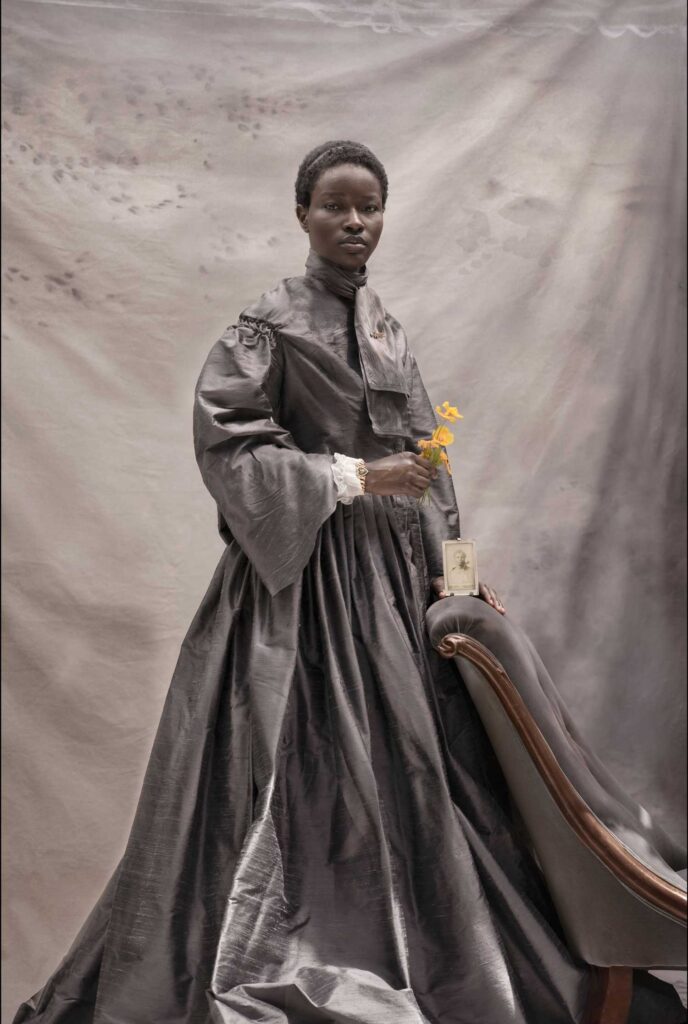
With a focus on Africa and the Mediterranean region, the 57th edition of the Rencontres de la photographie d’Arles sheds a welcome light on alternative narratives that challenge a history that is sometimes distorted or incomplete.
By Olivier Rachet
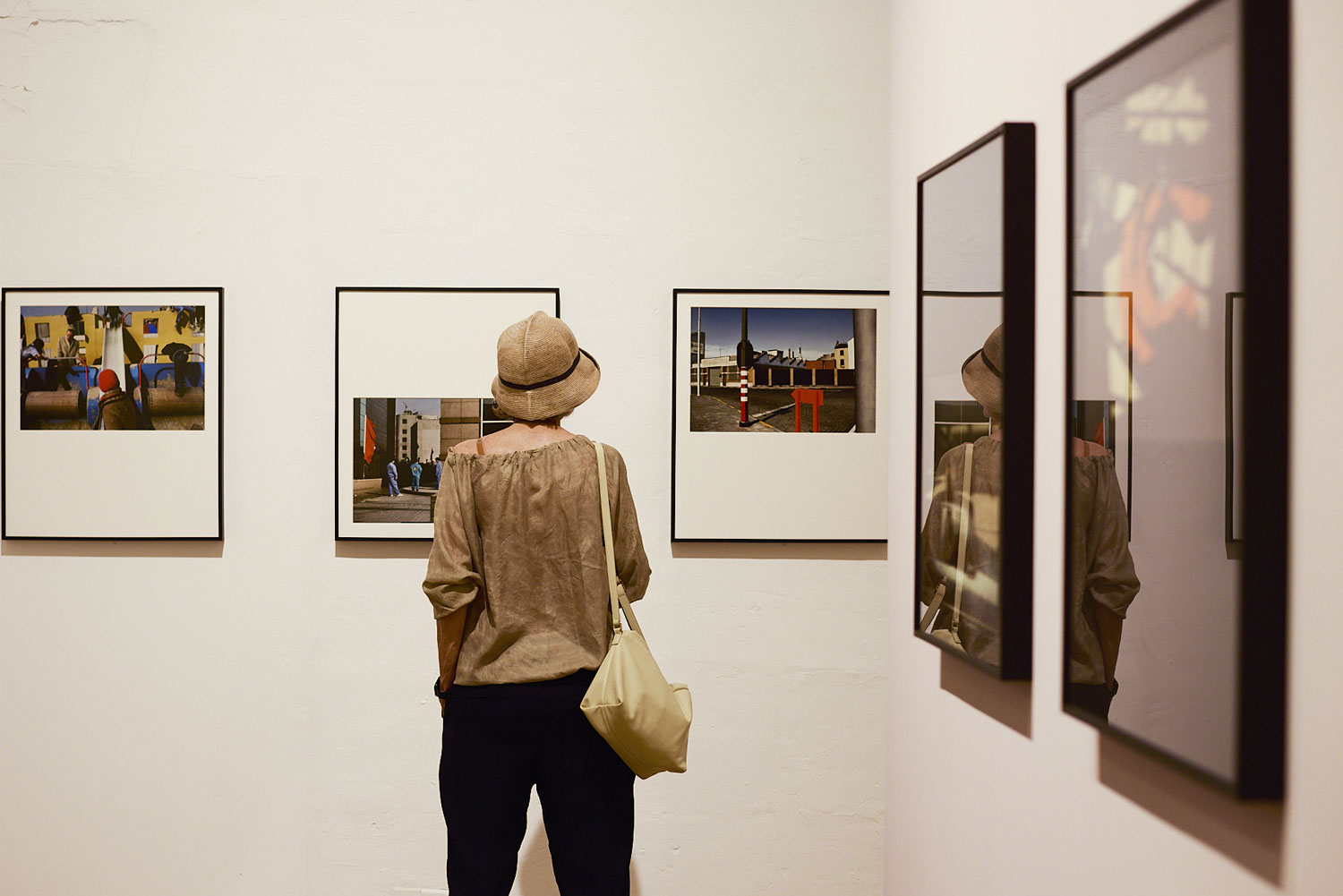
View of Harry Gruyaert’s exhibition " A Sense of Place"
During the opening week of the 57th edition of the Rencontres de la Photographie d’Arles, which welcomes both professionals and the general public alike, the heat—less stifling than expected—was very much present, as was an undeniably high-quality program. We were eagerly looking forward to finally seeing African photographers, people of African descent, and artists working in the Mediterranean region come together. While our expectations were not disappointed, we particularly appreciated the diversity of perspectives that placed history back at the center.
Far from being exclusive, the documentary approach is favored by several exhibits. The exhibition Ghana! Dreaming of Independence, 1957–1976, curated by Damarice Amao at the Palais de l’Archevêché, is undoubtedly one of this year’s highlights. Through archival images, magazines, and photo books, the curator explores how the emergence of a visual language accompanied a country’s transformations—amid aspirations to build an egalitarian world reconnected to its precolonial past and the geopolitical tensions of an era still marked by the Cold War.
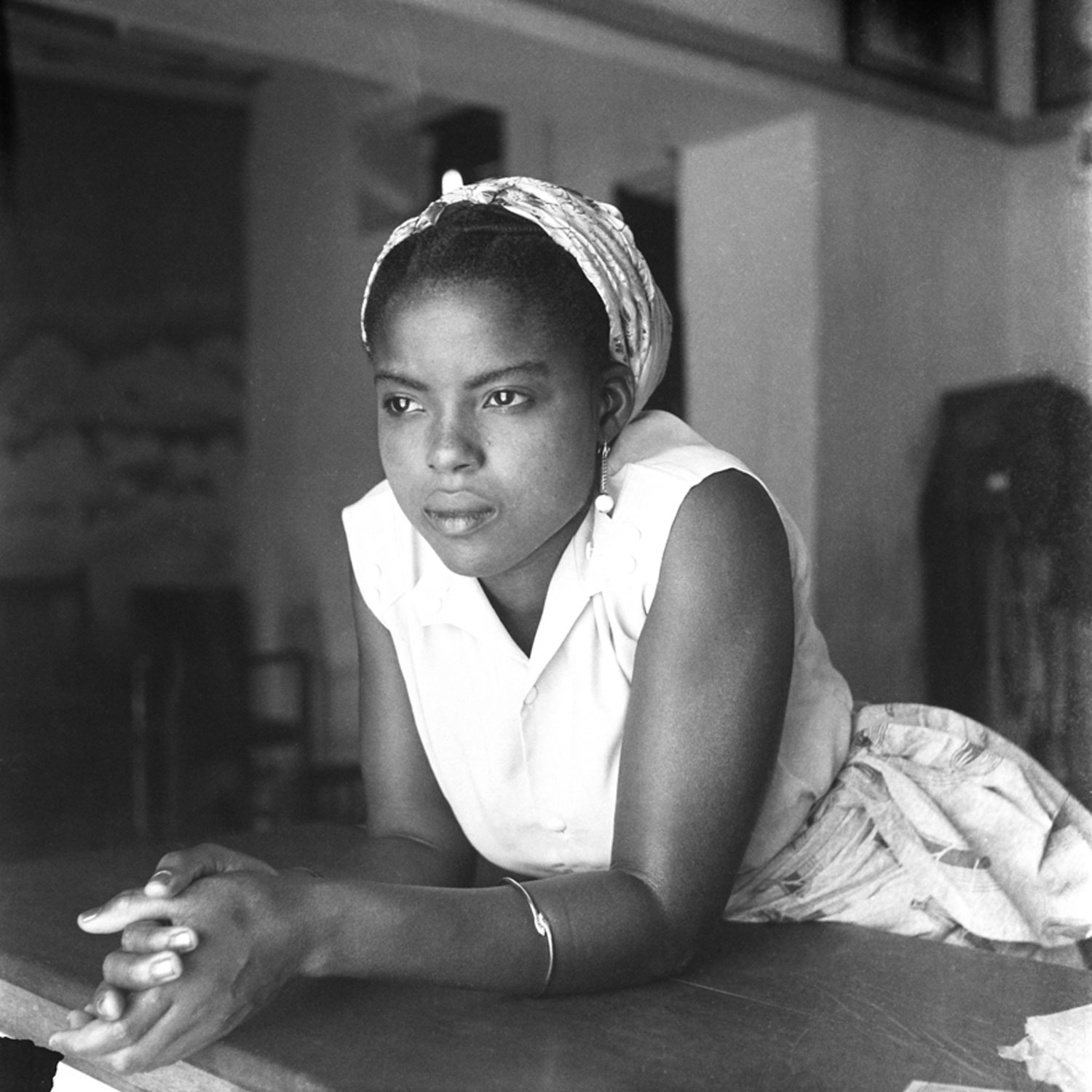
James Barnor, Gladys Kwakor Owoo, an employee at Alsalso House, Ever Young Studio, Jamestown, Accra, 1957. Courtesy of the artist and the Clémentine de la Féronnière Gallery.
Sometimes bringing to light figures who were little known to us, such as Felicia Abban, Ghana’s first professional female photographer, and featuring contemporary artists like Carlos Idun-Tawiah and Denyse Gawu-Mensah, who reimagine the memory of that era, the curator follows in the footsteps of Sammy Baloji, whose exhibition Paysage prisme: A Journey Through Katanga is on view at the Église des Trinitaires. Through video works and archival documents, he revisits the secession of a region that has been disputed since the early days of independence due to its mineral wealth. The fourth chapter of Katia Kameli’s Le Roman algérien [The Algerian Novel], presented at the Église Saint-Blaise, evokes the memory of Assia Djebar and, in doing so, reaffirms the enduring power of a feminine memory that remains ever-vibrant.
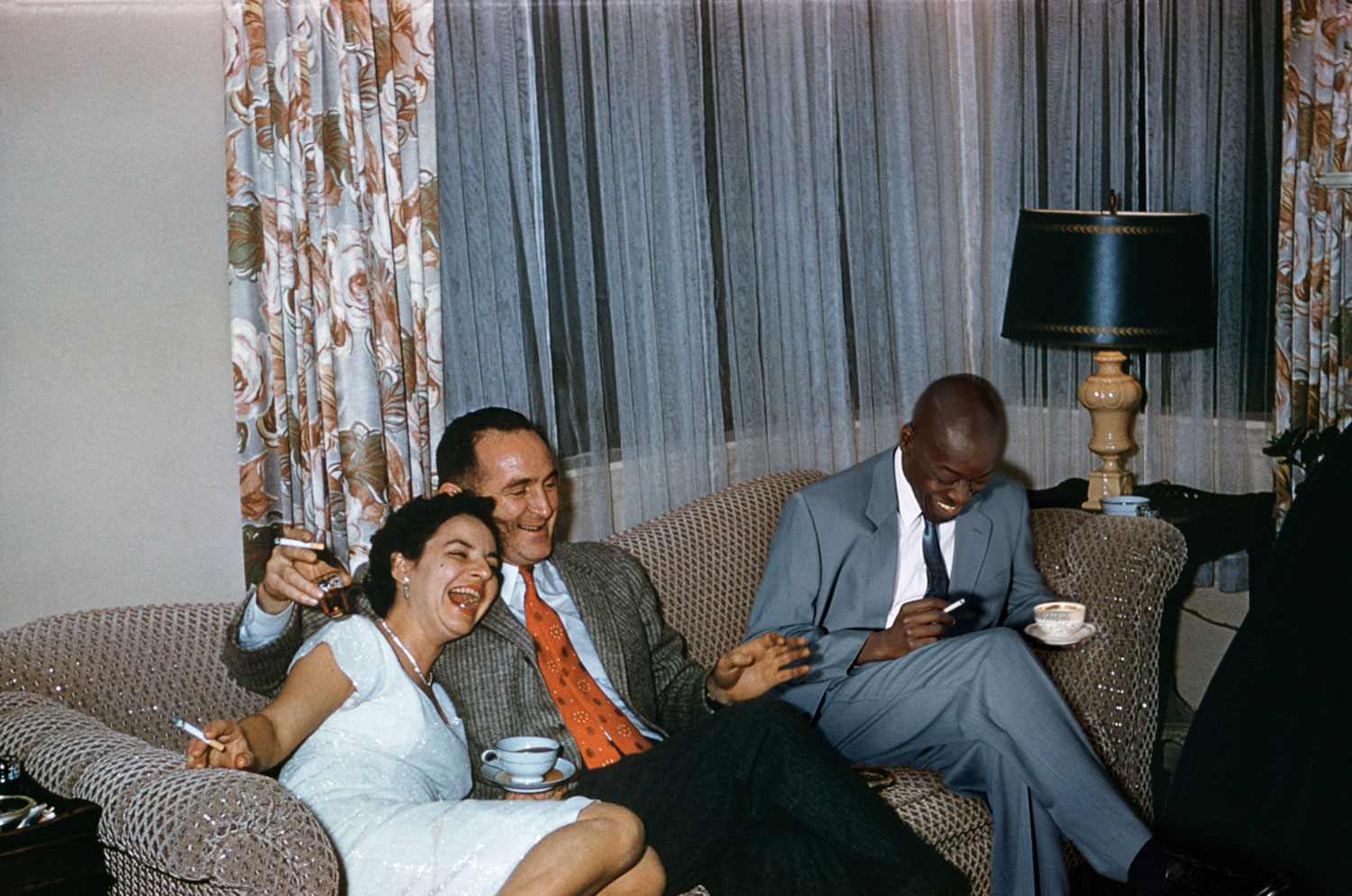
At first glance, the approach of Omar Victor Diop and Ayana V. Jackson—which seeks to fill in the gaps of the past through contemporary productions—is lighter and more exhilarating, and it leaves a lasting impression. With The Anonymous Project: Being There, presented at the former Mistral Middle School, the Senegalese photographer, accompanied by Lee Shulman, injects biting humor into family photographs of the 1950s North American middle class, whereas the African American photographer at Montmajour Abbey breathes new life into female figures—often on horseback—who have been overlooked by official histories. Such is the case with Colonel Amelio Robles, born Carmen Robles, an Afro-Mestizo revolutionary who took part in the battles of the Mexican Revolution—as a man.
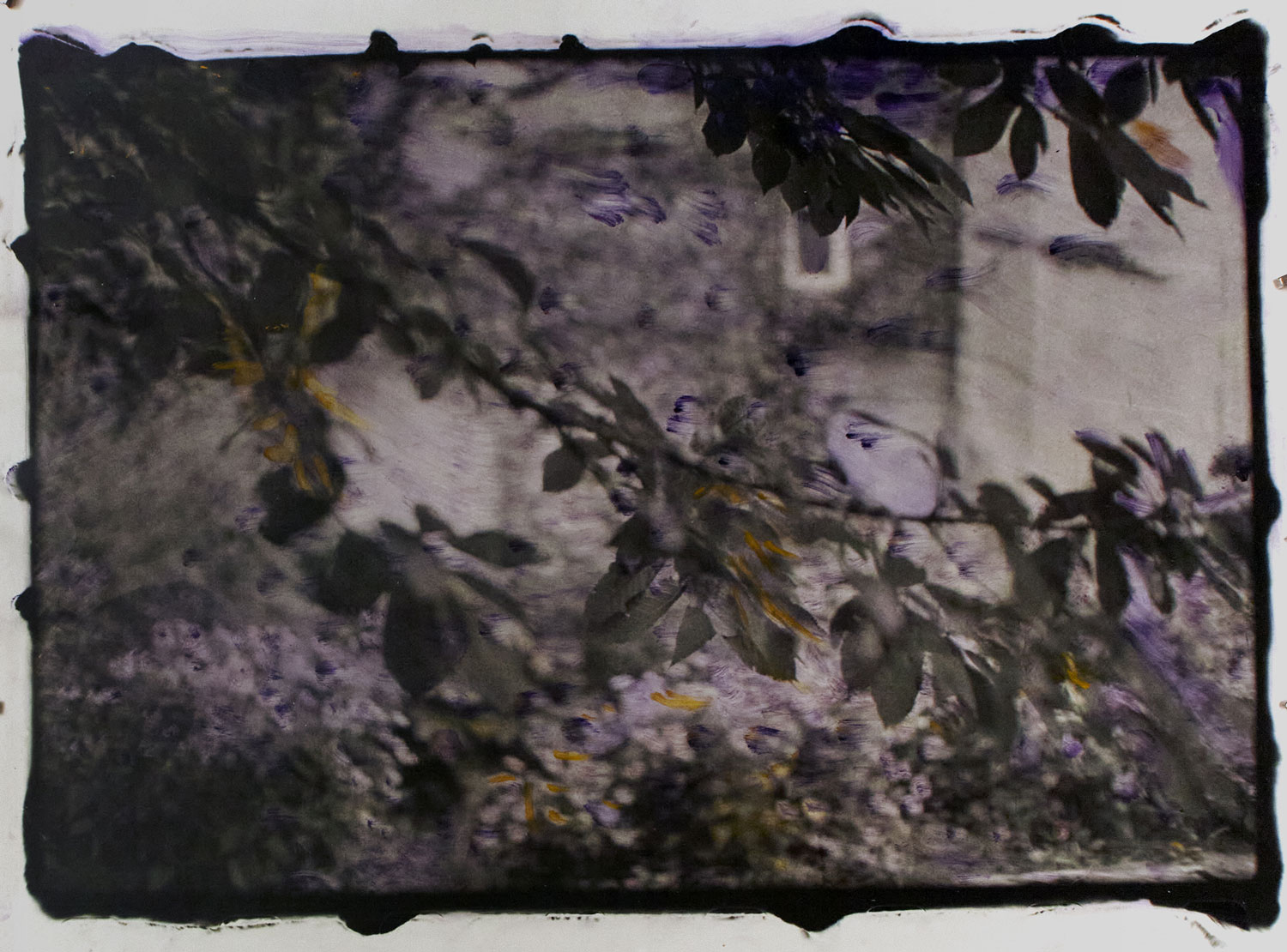
Ming Smith, Gardens of Harlem, 2022. Courtesy of the artist.
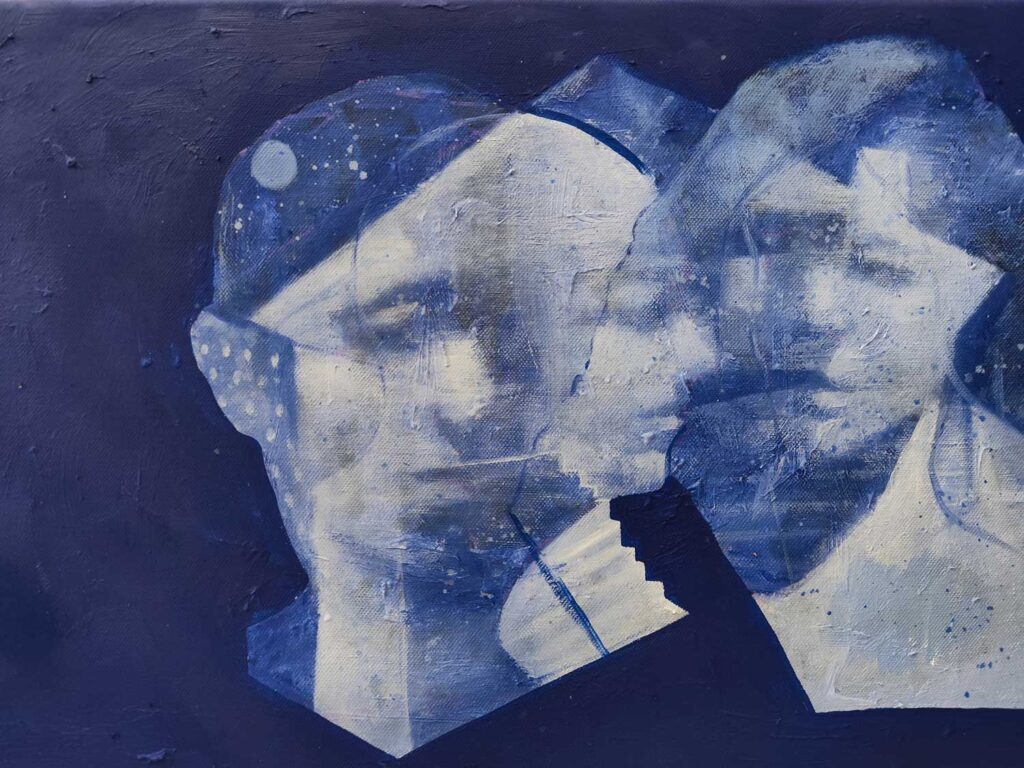
While this edition remains marked by a fruitful tension between the limitations of an official history—often the preserve of the West—and the presence of other narratives from the Global South, perhaps it is ultimately the notion of “counter-information”—or even “counter-history”—highlighted by the artist Orianne Ciantar Olive that we might draw upon. At the Maison des peintres, the former photojournalist—who has now turned to an experimental approach to the medium of photography—presents Les Ruines circulaires, a journey through southern Lebanon, once again ravaged by war. Her reversed negatives, solarization effects, and texts fuel a radical approach that seeks to shift the viewers’ perspective, perhaps to put an end to the primacy of a purely visual approach to photography. Bruno Boudjelal follows in her footsteps at the Commanderie Sainte-Luce with the exhibition Goudron Tanger – Le Cap, through an equally stimulating juxtaposition of archival images and landscapes or portraits of an African continent whose uncertain fate seems underscored by the blurriness of the images.
A multifaceted history of photography is finally being revealed through major exhibitions such as the retrospective dedicated to photojournalist Alain Keler or Lueur nomade, dedicated to the African-American photographer Ming Smith, whose work has rarely been shown in Europe. We love Smith’s ability to celebrate jazz musicians, dancers from the Alvin Ailey company, and ordinary, anonymous people—all viewed through a fresh lens, sometimes enhanced by expressive touches of paint. While “grand” history is made of sound and fury, micro-stories are often imbued with a raw, visceral sensitivity.
Rencontres de la photographie d’Arles, through October 4, 2026
This translation was generated using AI. For the original text, please see the French version of this article.
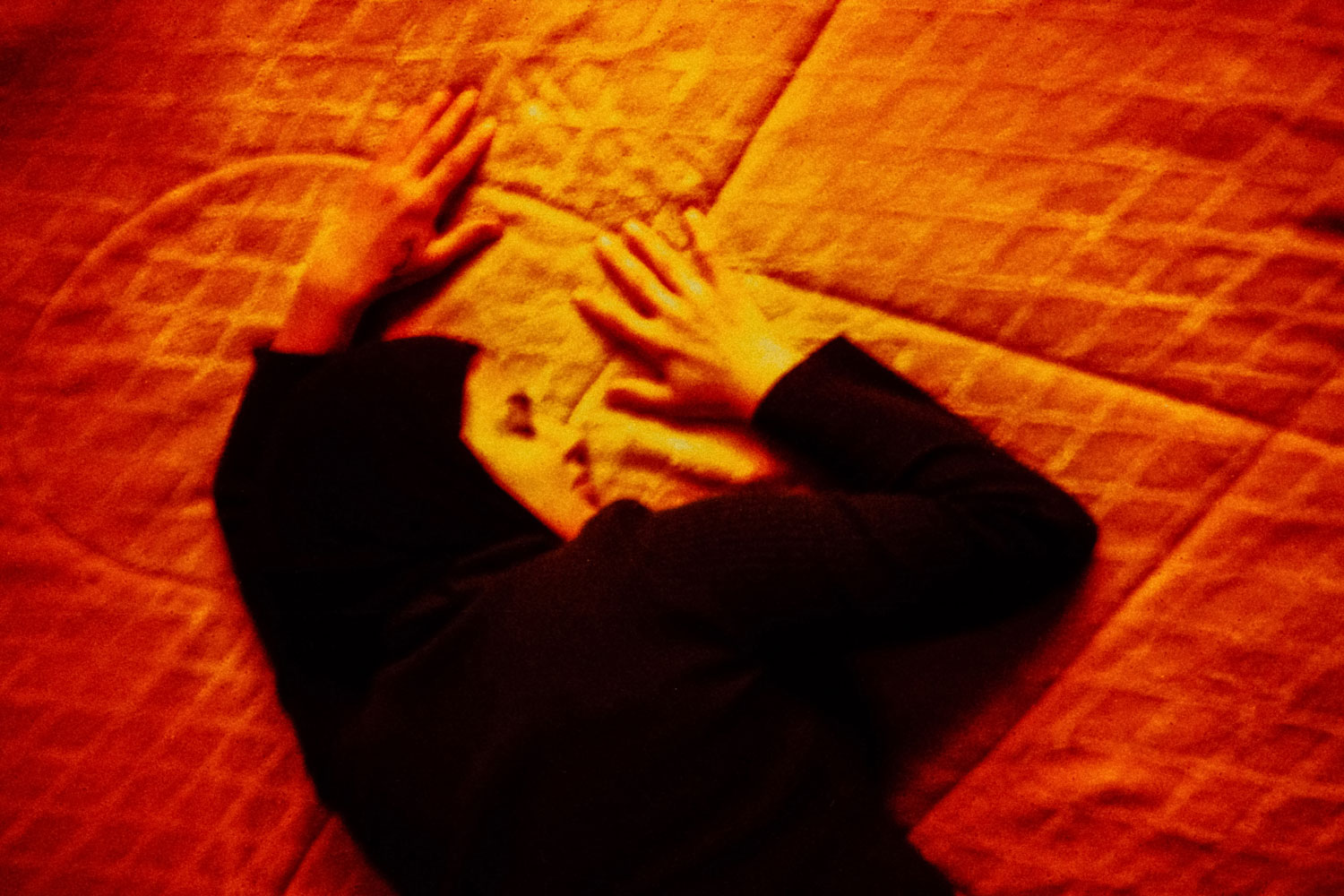
Orianne Ciantar Olive, Frame of War – Grievable/Ungrievable [Frame of War – Worthy/Unworthy of Mourning], 2025. Courtesy of the artist.