The return of influential galleries that had once deserted its aisles, photography taking center stage, works on paper, and new discoveries: Sitor Senghor’s artistic direction is making its mark. A breath of fresh air, even if the limited presence of African galleries continues to raise questions.
By Olivier Rachet
This is undoubtedly a clear sign, despite the gloomy atmosphere weighed down by a turbulent social situation in Paris that forced the fair to close on Saturday, October 24: several Parisian galleries, such as the Galerie Carole Kvasnevski and the Galerie Magnin-A—which had temporarily pulled out of the AKAA fair—are making a grand return. Carole Kvasnevski acknowledges that the artistic direction introduced last year by the Franco-Senegalese artist Sitor Senghor has played a major role in this. By highlighting African photography and works on paper in two separate sections—following last year’s celebration of ceramics—the artistic director has hit the mark. A true “fair within a fair”, as event director Victorian Mann points out, the “AKAA Photo” section primarily fills a gap in events such as Paris Photo, which, as Sitor Senghor laments, “featured only 6 galleries from the continent at its most recent edition”.
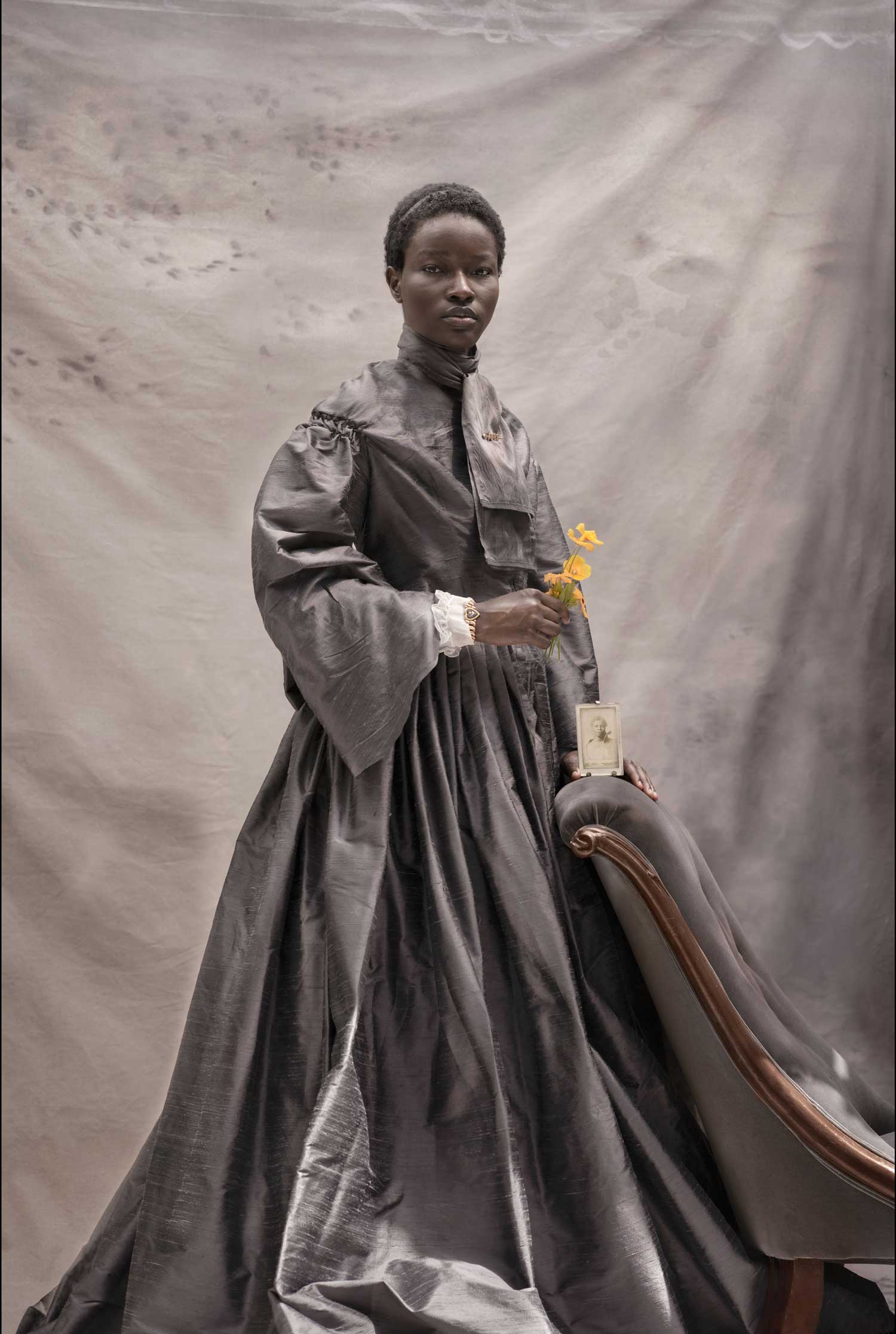
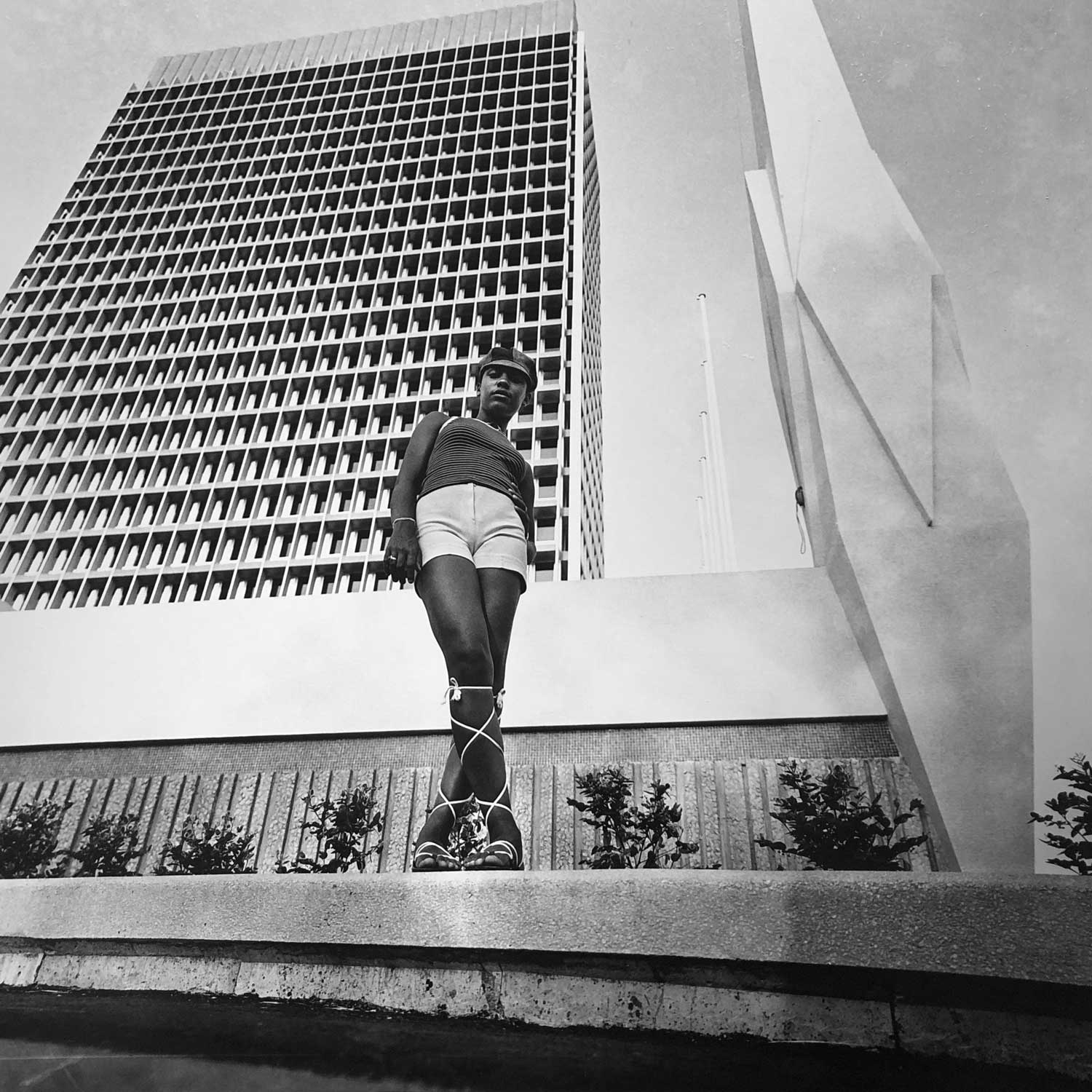
Several female photographers are thus highlighted, such as South African Zanele Muholi and Cameroonian photographer Angèle Etoundi Essamba, whose previously unseen 2022 series, “Noir Vermeer,” was exhibited by Carole Kvasnevski (between €18,000 and €30,000). While the Les Filles du Calvaire gallery presented a solo show by Maya Inès Touam (between €8,000 and €12,000), the Lisbon-based gallery This Is Not a White Cube showcased the “Bloom” project by Dutch photographer Dagmar Van Weeghel, who uses portraits of women of African descent to reinterpret the business card format. Using traditional techniques such as anthotype—which involves exposing paper to sunlight while impregnating it with plant pigments—her works range in price from €3,000 to €10,000. Championing established artists, the Magnin-A Gallery—which also had a second booth at Art Basel—presented the well-known work of Omar Victor Diop. Alongside his iconic series Liberty and Diaspora, the gallery unveiled a new series Allegoria , created in collaboration with the Natural History Museum in Paris, with works priced between 10,000 and 20,000€.
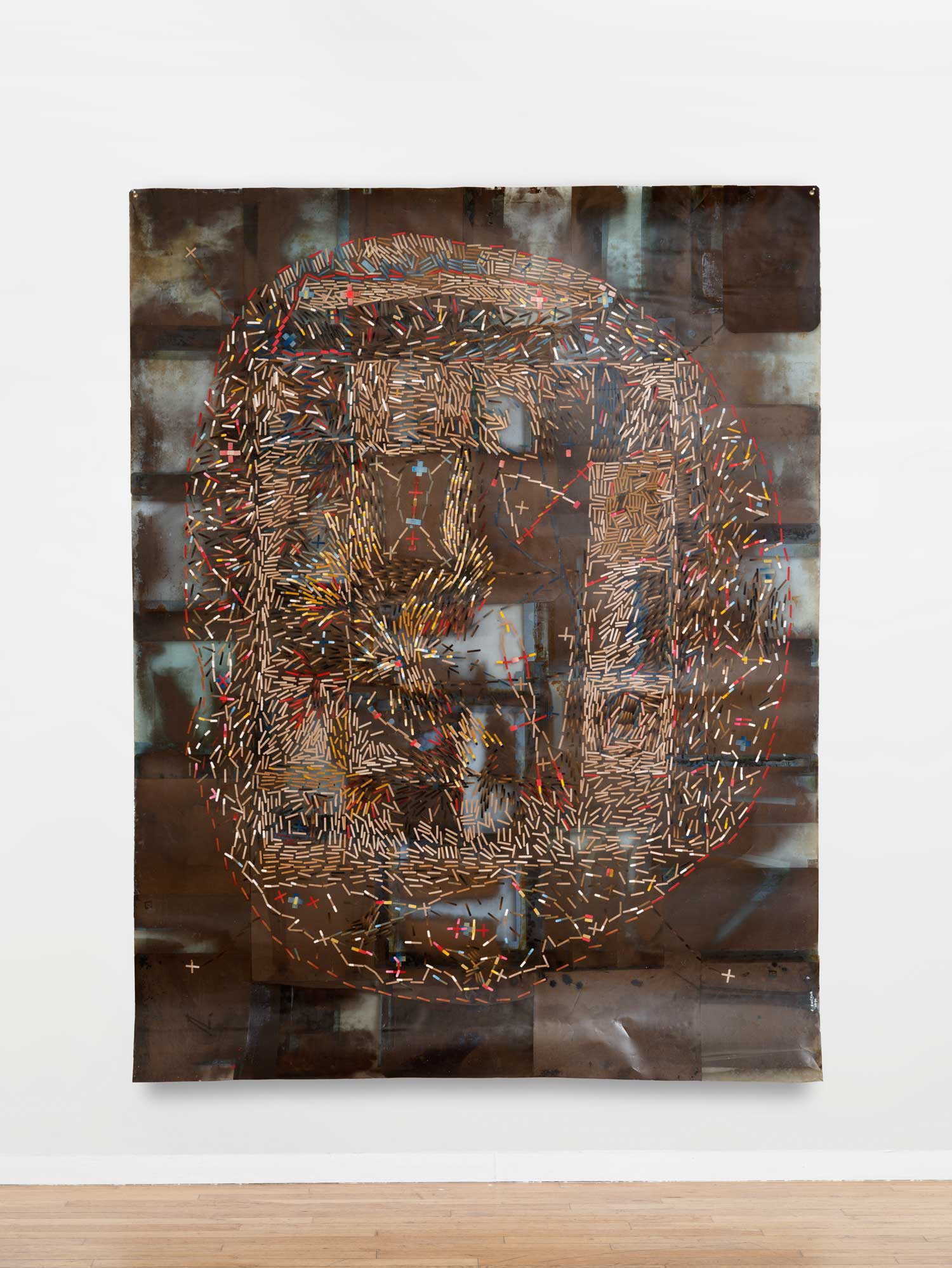
Although it was a bit cramped, the section titled “La Mémoire des feuilles,” dedicated to paper, “a medium that, like ceramics, remains undervalued,” as Sitor Senghor acknowledges, won over visitors with works that were as sensitive as they were socially engaged. Delicate works by the only Moroccan artist represented this year, Safaa Erruas (Dominique Fiat Gallery), were displayed alongside Bic pen drawings on recycled paper by the Haitian artist Jacques Frantz Guyodo—works emblematic of art brut (Claire Corcia Gallery), and a diptych by the artist Nú Barreto, represented by the Nathalie Obadia Gallery, depicting two upside-down American flags whose stars “are falling apart” to quote the artistic director, who advocates for “an activist art fair”.
A Balanced Program
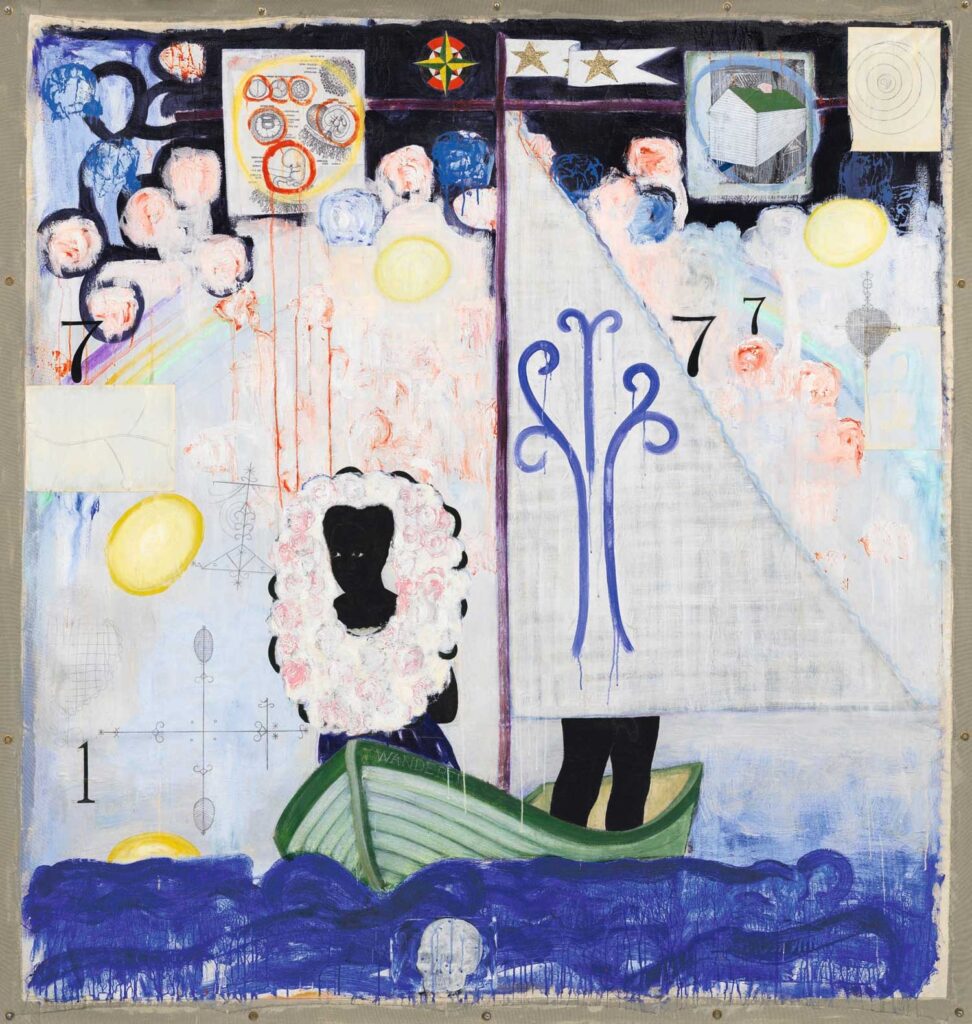
For its part, the general program—which featured 28 galleries—offered a balance between solo shows and group exhibitions, in which painting still took the lion’s share. A booth that was particularly popular with the public—that of the Parisian gallery Loo & Lou, which does not specialize in African art—featured a solo show by the young South African artist Anele Pama, whose ochre palette aptly evokes the contrasting realities of a township. Gallery owner Bruno Blosse notes “an interest in medium and large formats.” whose prices range from 1,000 to 5,000 euros. One of them was purchased by Christine Blachère, who was captivated by this earthy painting. She had come to present a selection of works by Senegalese artists from the Blachère Foundation in the fair’s VIP lounge. Well known to the Moroccan public, the work of Senegalese artist Aliou Diack—represented by the German gallery Artbase—featured a series of large-format pieces (€30,000) created during a summer residency in Tunisia. A medium-format work Heart was acquired by a London collector, and a drawing was acquired by the Office of Culture in Wiesbaden, Germany.
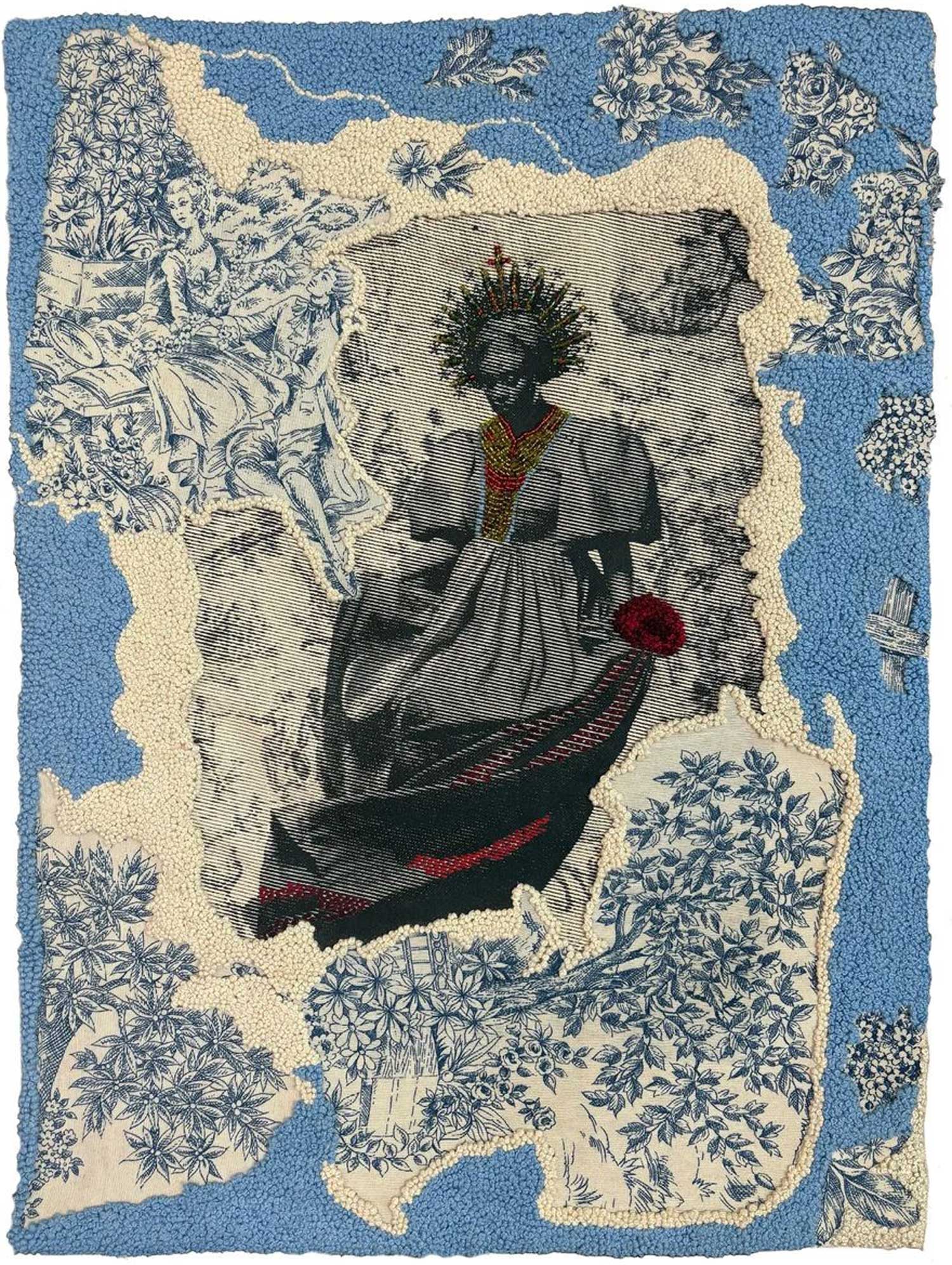
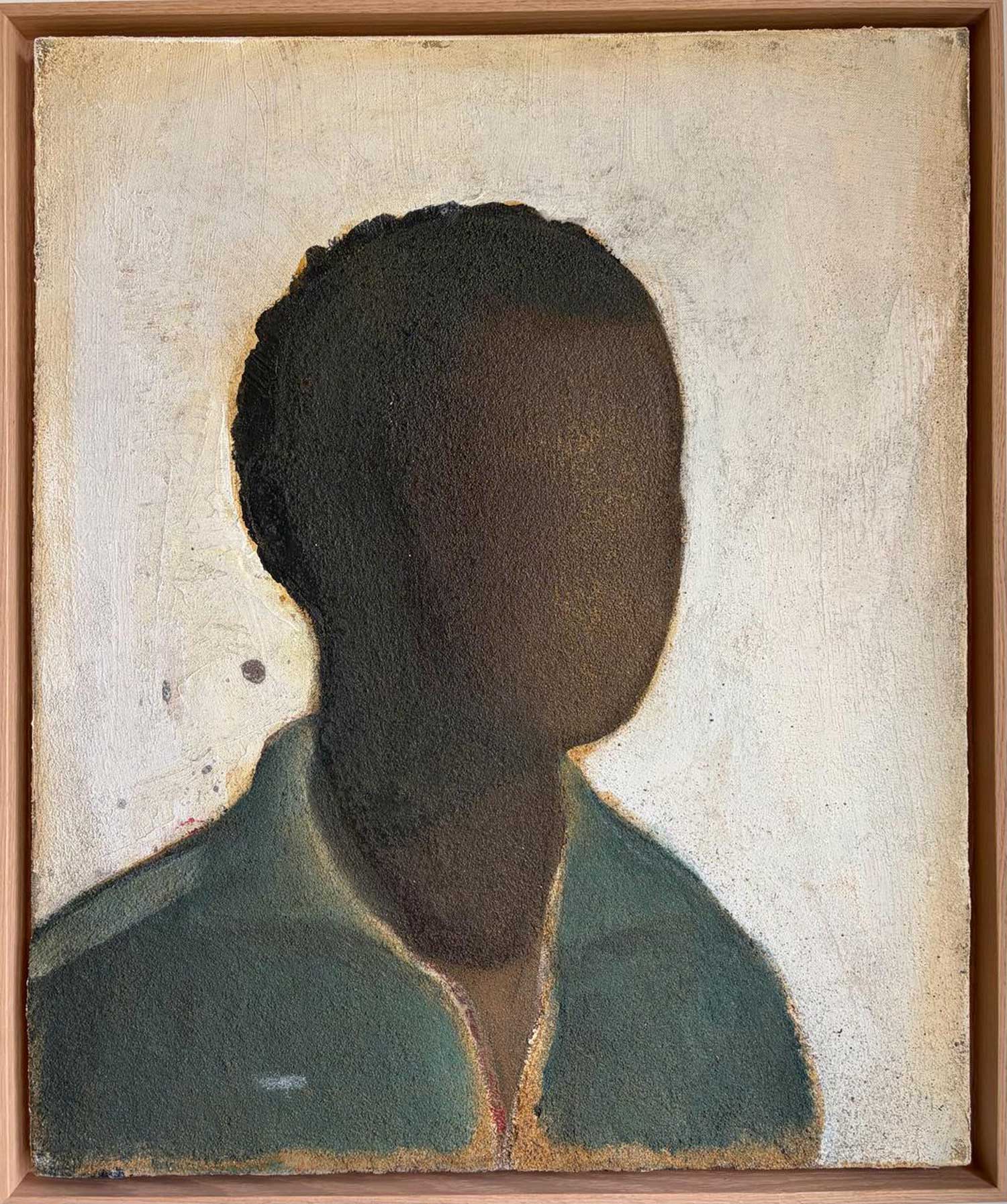
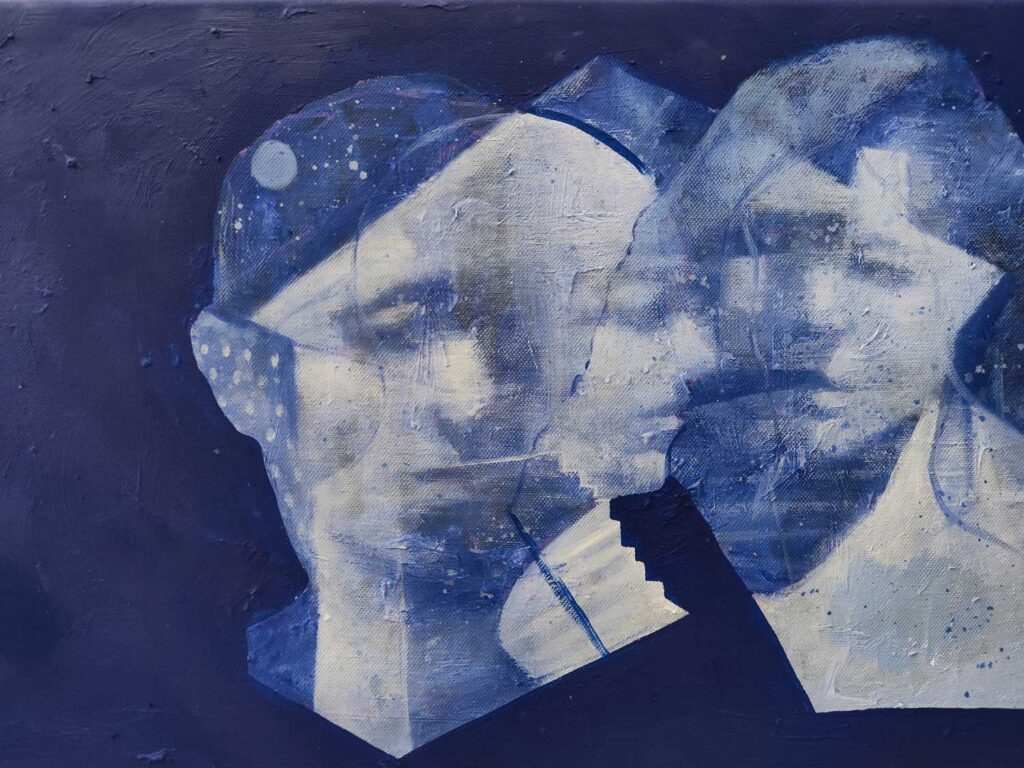
Among the newcomers, the Arte de Gema gallery in Maputo, Mozambique, showcased digital collages by artist Thandi Pinto, who uses colonial archival images and subtly juxtaposes them with the contemporary era, creating a sense of ambiguity that is reminiscent of the work of the Brazilian artist based in Lisbon, Cássio Markowski. The Zimbabwean gallery The Loft3 Gallery presented three artists, including Gillian Rosselli, who had already garnered attention at the 2024 Venice Biennale. Based in Paris, the curatorial platform Casa Vicência, dedicated to contemporary Portuguese-speaking art, showcased the expressive portraits by Cape Verdean artist Amadeo Carvalho, created using acrylic paint and volcanic ash.
The next challenge for Sitor Senghor and the fair’s teams: finding a better balance between the overrepresented Parisian galleries and the still relatively few galleries from the African continent. While he points to high costs and the difficulty artists and galleries face in obtaining visas, the fact remains that an art fair dedicated to African art can no longer ignore the continent’s vitality.