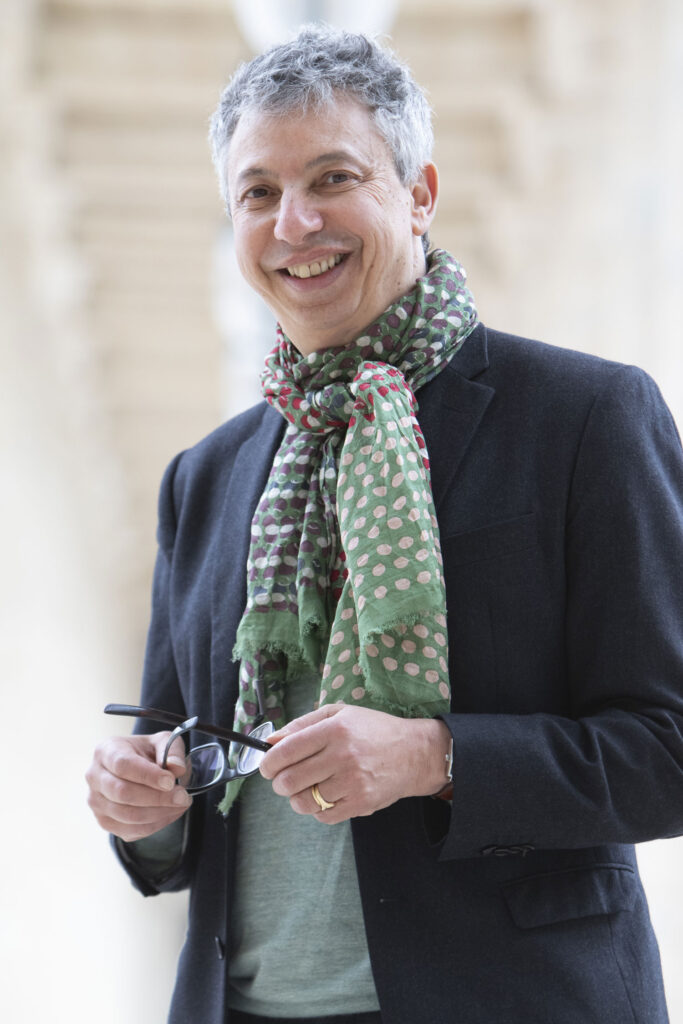
Fifty Years After *L’Orientalism , Bruno Nassim Aboudrar, an art historian and columnist for Diptyk, explores the multifaceted concept of “Westernisms” in his latest book. Challenging the clichés of Western hegemony, he analyzes how, as early as the 16th century, the conventions of European painting were adopted and subverted around the world.
Interview by Olivier Rachet
Why have art historians so far neglected what you call “Westernisms”?
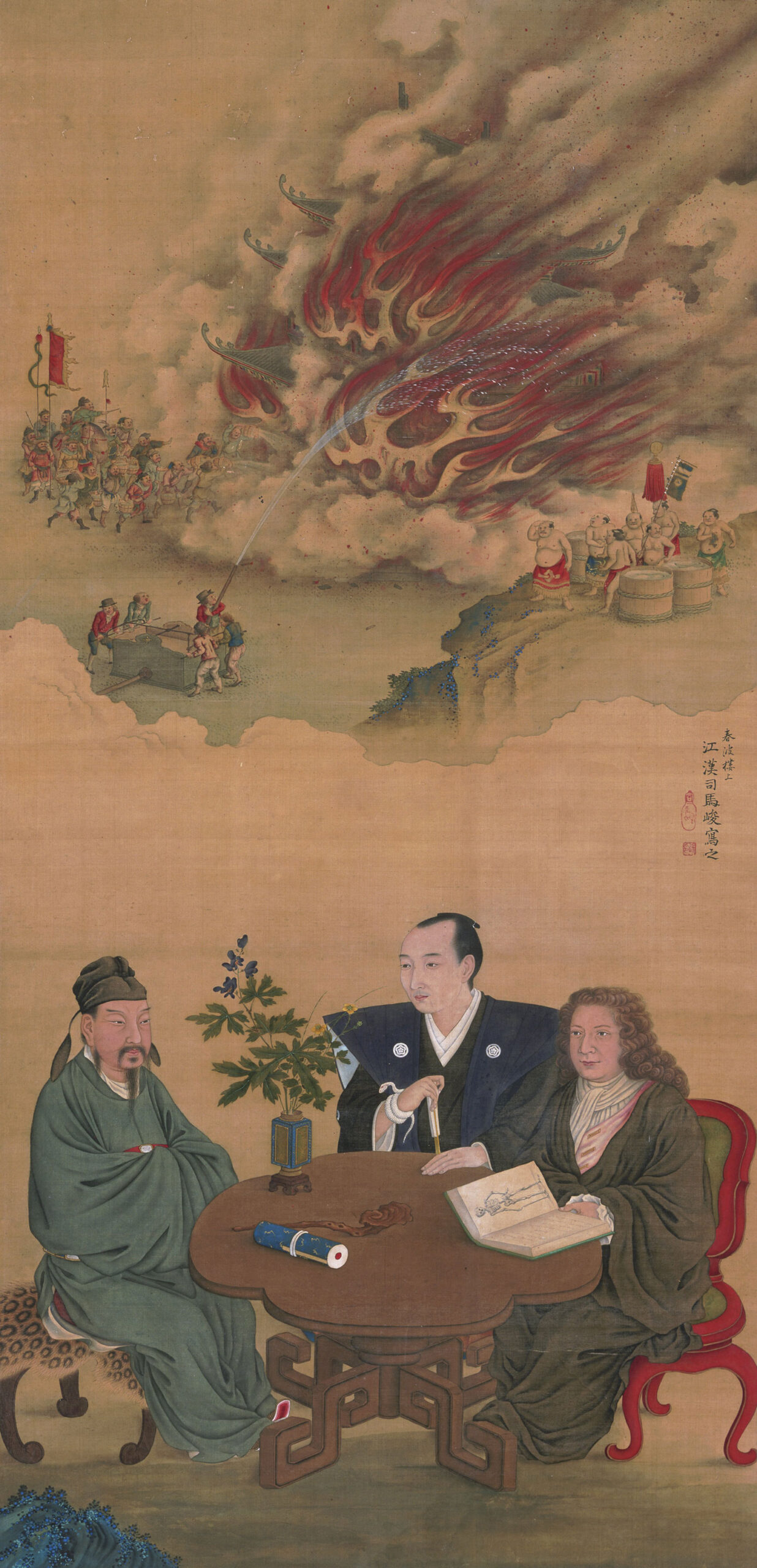
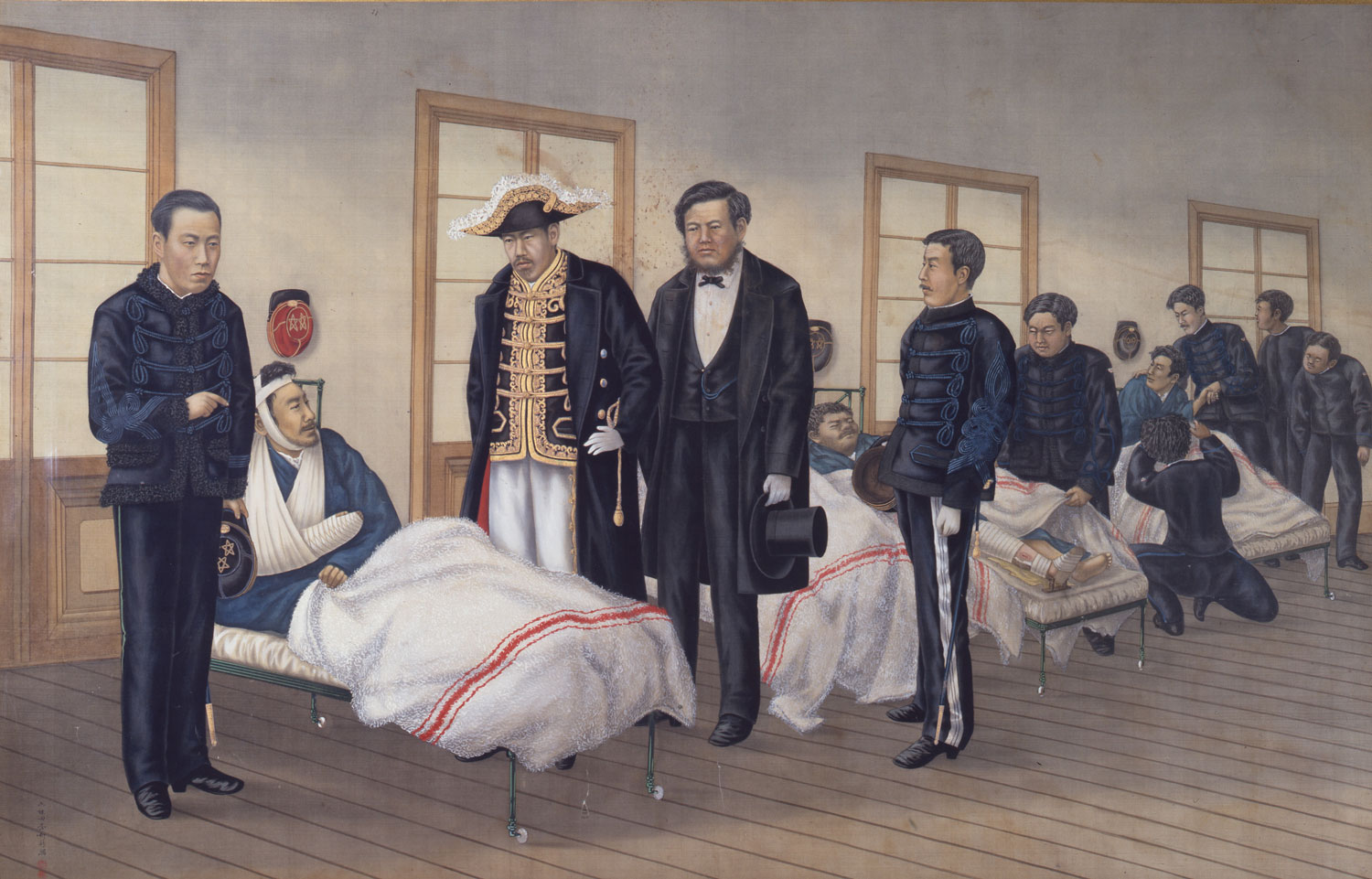
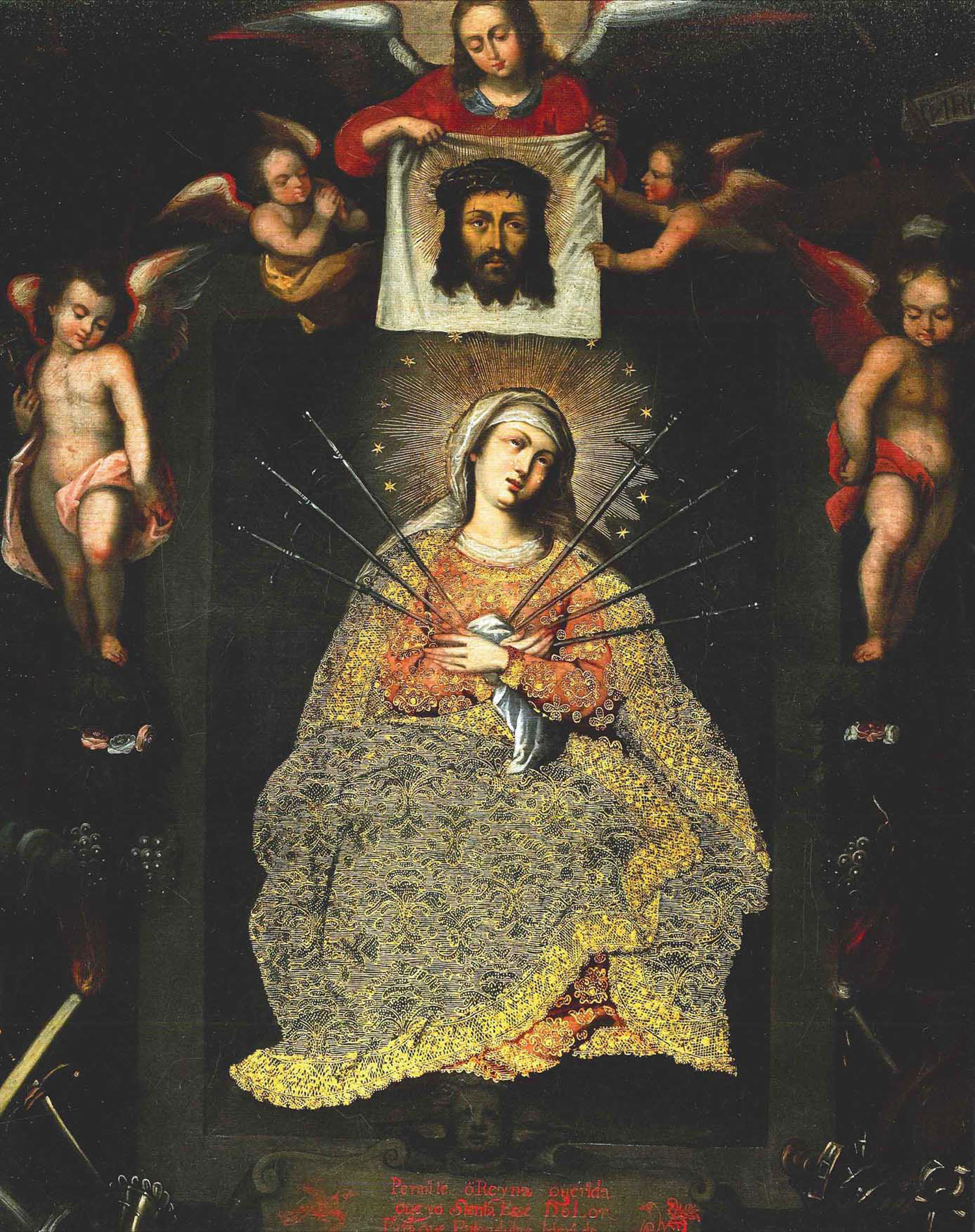
Traditionally, art history has tended to seek out—and define—forms perceived as “pure,” “authentic,” or “typical,” representative of the essence of a style. From its inception, this effort has been supported by a theory of climate (artists and works express the qualities of an environment that is both social and geographic), which was itself closely linked, in the 19th and 20th centuries, to a nationalist ideology. This has led to a focus on German, French, Italian, Spanish, or Chinese art, primarily in works that seem to best embody their specific characteristics. The works I group under this concept of “Westernism” are, on the contrary and by definition, hybrid—or “mixed,” to borrow Serge Gruzinski’s term—or even bastards. They are also fundamentally atypical, even within the cultures from which they emerge. It is understandable, therefore, that they have remained marginal, since they transgress both the European canon and indigenous canons. That said, we must not exaggerate the silence or neglect on the part of art history: whether it be the Cuzco School, European-themed Mughal miniatures, or Japanese yōga painting, most of the cases mentioned in my book have been the subject of excellent scholarly studies… though rarely in French.
The plural form of the title suggests an asymmetry with the concept of Orientalism developed by Edward Said. Could you elaborate on that?
Orientalism, according to Edward Said, describes the way in which the West—and, at the beginning of the process, primarily Western Europe—constructs knowledge about “the Orient,” a term that can refer to anything that is not Western, even though, in fact, Saïd himself is primarily interested in the Near East. We thus have a unified and fairly precisely defined center that projects its scholarly conceptions onto a diversity and cultural heterogeneity. English, French, and German scholars establish university chairs in Islamic studies, Oriental languages, Semitic anthropology, and so on. The singular form of “Orientalism” is therefore necessary, because it highlights the epistemological unity that underpins (and is underpinned by) the hegemonic project of colonial Europe, and later that of the U.S. superpower. I describe, on the contrary, a multifocal situation. Highly diverse cultures, scattered throughout the world—the Ottoman Empire, Mughal India, Japan, China, Mexico, Peru, and even North America—at different moments in their history and ours, each in its own way, take an interest each in its own way, with a singular artistic proposition: that embodied by European painting, which since the Renaissance has possessed the means of so-called realistic representation (perspective, cast shadows, modeling, etc.). It is therefore the plural form that is required to describe these “Westernisms.”
Depending on the geographic region and historical context, Western painting techniques can be reappropriated, but are more often than not subverted. How do you explain this?
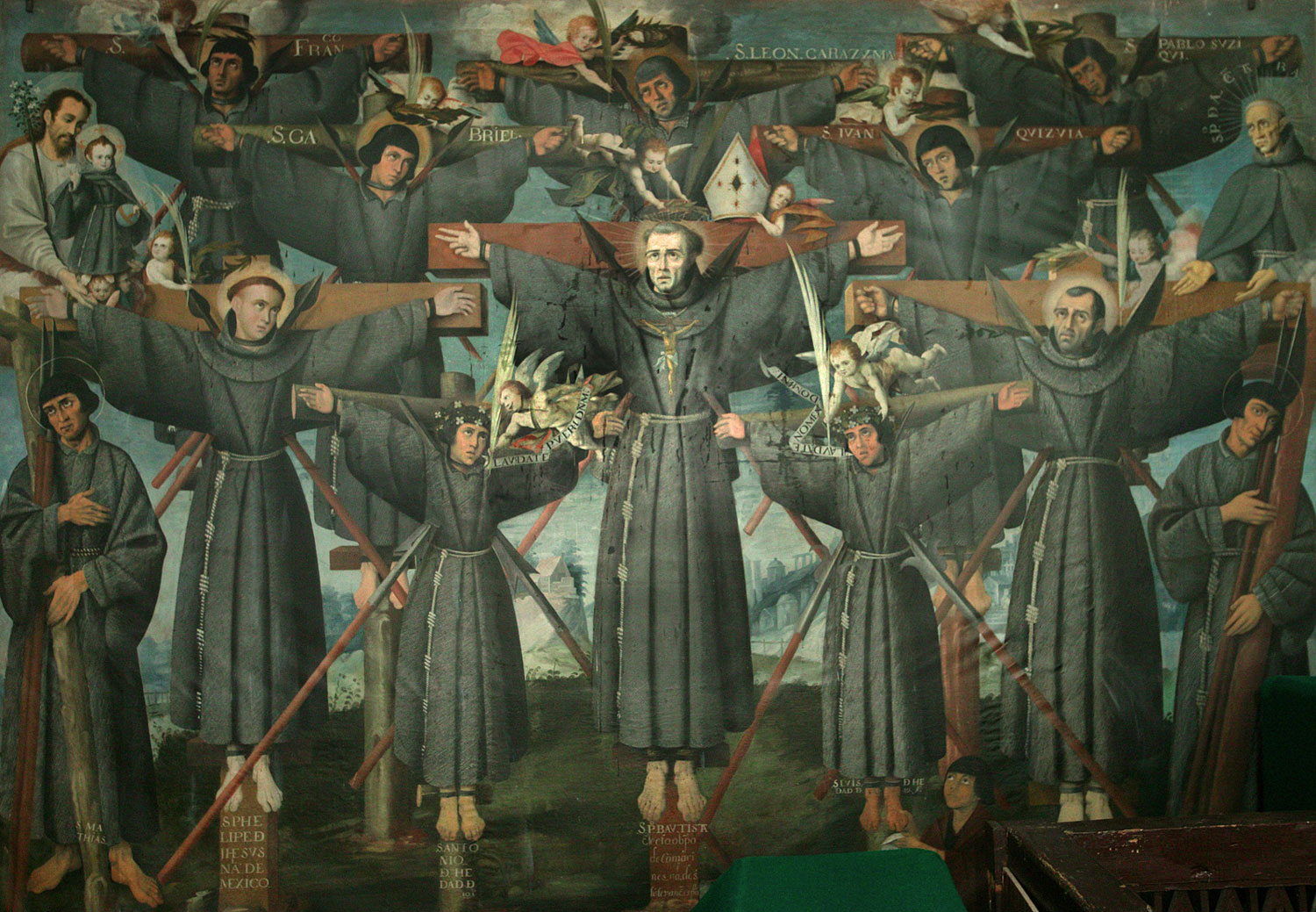
The concept of subversion is quite broad, and it depends largely on a methodological (and ideological) choice that I embrace. I use it to counter the notion of “influence,” a term dear to art history, whose use here would have paved the way for a neocolonial interpretation—which I believe to be erroneous—of the works under study (consider the influence of our powerful European art on distant, exotic, “minor” cultures). Yet these cultures are distant and exotic only in relation to Europe, and by no means minor. And their art is not “influenced” by European art; it sometimes engages with it. From there, subversion can be identified on a case-by-case basis. The descendants of the Incas—painters from Cuzco or Potosí, for example—and, to a different extent, the Mexican Baroque artists, exaggerate to the point of gore The pathos of Counter-Reformation Christian painting. The Christ of the *Ecce Homo* is flogged to the bone; the blood of the martyrs flows in torrents: devotional painting also depicts the cruelty of the conquistadors, which Bartolomé de Las Casas denounced as early as 1550. In a completely different context, the way in which Ottoman, Egyptian, Japanese, or Chinese artists—all from countries severely threatened by colonial expansionism—engage with academic painting as taught at the École des Beaux-Arts in Paris, Munich, or Rome—demonstrates by example the futility of racist theories that justify colonialism through a purported civilizational superiority of Europe (of which “pompier” painting is said to be one manifestation of excellence among others).
At times, resistance to Western visual codes seems to manifest itself through a preference for certain media: paper in China or textiles in Peru. Don’t Western influences also relativize the distinction—so dear to the West—between fine arts and applied arts, a distinction imported to Morocco in particular during the colonial era?
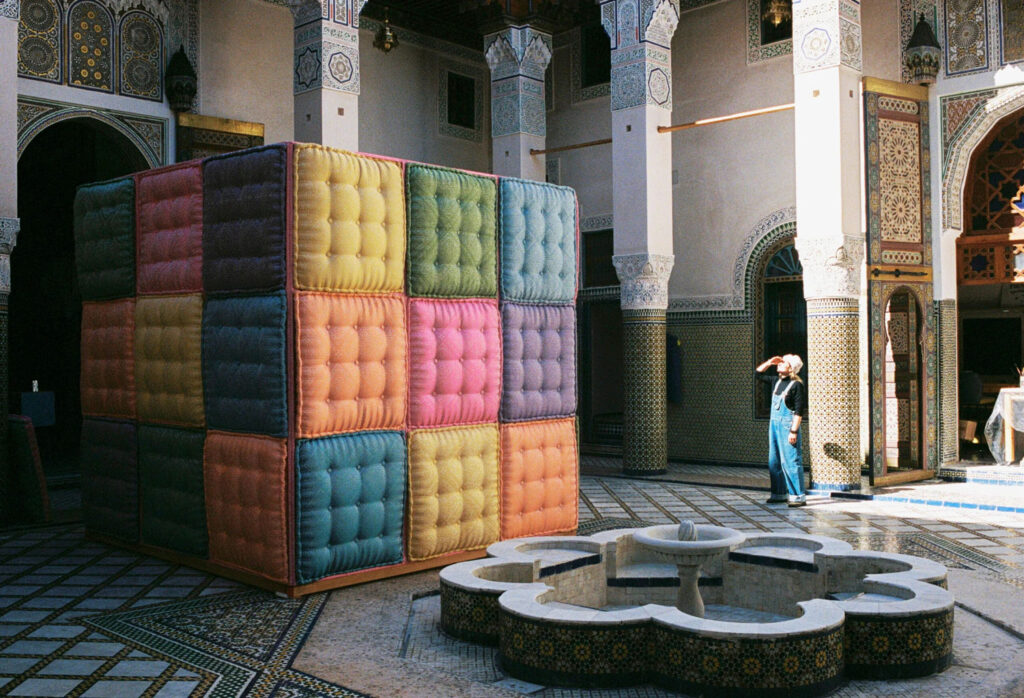
I don’t think so. I would rather say that certain forms of Westernism create this distinction where it does not exist in indigenous artistic traditions. Japan is a prime example in this regard. In preparation for the Vienna World’s Fair (1873), the Japanese introduced into their vocabulary the concept of “fine arts” (bijutsu)—a term that had not existed there before—and distinguished within it between art in the Western style (yōga) and art in the Japanese style (nihonga). In Morocco, the art institutions established by the protectorate, under the authority of Prosper Ricard and his successors, sought to define the authenticity of craftsmanship—particularly Berber craftsmanship—while keeping the indigenous population away from fine arts education. The artistic reinterpretation of vernacular techniques—ink painting on paper in Japan, and leather and copper works by the Moroccan artist Farid Belkahia—can be understood, it seems to me, as a reaction to Westernization.
Drawing on the work of anthropologist Philippe Descola, you demonstrate that, until the internationalization of the avant-garde movements at the beginning of the last century, several “ontologies of the visible” were able to coexist. Isn’t this once again our horizon at a time when non-European arts—which can challenge our interpretive frameworks—are being celebrated, particularly at the Venice Biennale?
It’s very complicated. As for the current survival of the visible forms of expression of the ontologies described by Philippe Descola, I’ll leave it to the anthropologists to weigh in. Let’s just say that, having read his book *Les Formes du visible*—and, even more so, having seen the iconography on which it draws—I tend to think that these forms are now found only in highly vulnerable societies and in very damaged forms. Are we witnessing a new generation emerging in the field of art? It’s possible, and that is undoubtedly what the last two Venice Biennales (2024 with a predominantly South American focus, 2026 with a predominantly African focus) aim to demonstrate. But the very fact that this is happening in Venice —colonial exhibitions, too, took place in Europe—addressing an audience overwhelmingly from the Global North and within a framework that is, after all, that of contemporary art (which is itself globalized), makes me doubt that we can speak of ontologies. “Sensibilities” strikes me as a more accurate term—along with perfectly valid strategies for bringing other perspectives and practices to the fore. Contemporary art is diversifying and shifting its focus, which is a good thing, but it remains contemporary art.
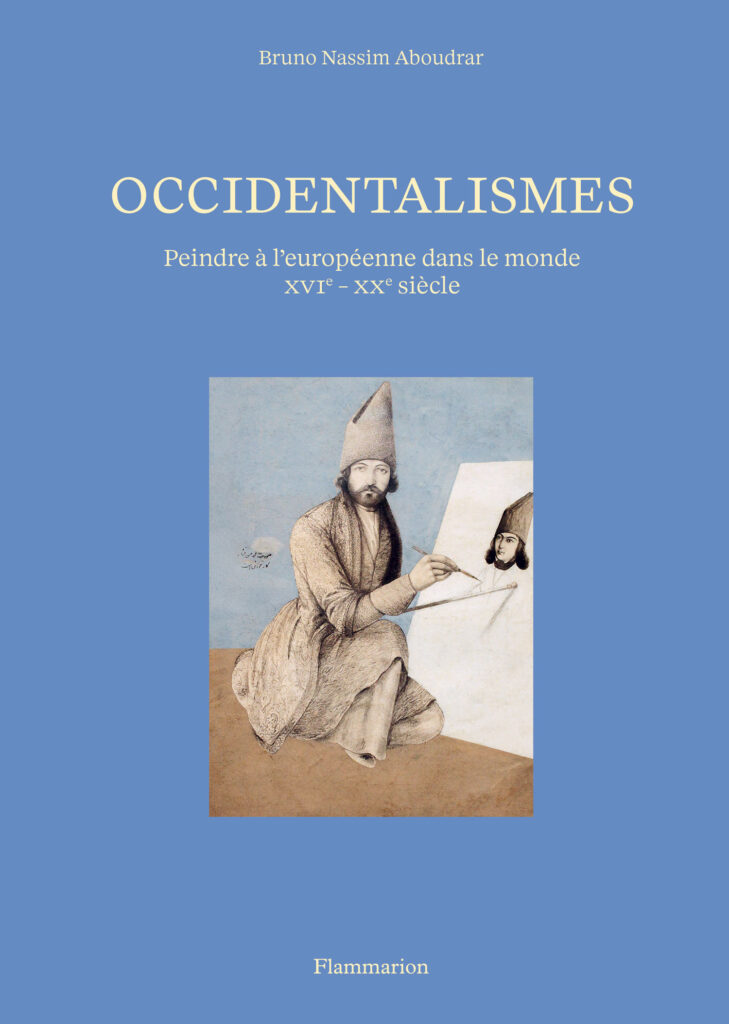
— Bruno Nassim Aboudrar, *Occidentalisms: Painting in the European Style Around the World, 16th–20th Centuries*, Flammarion, 320 pp., 510 DH.