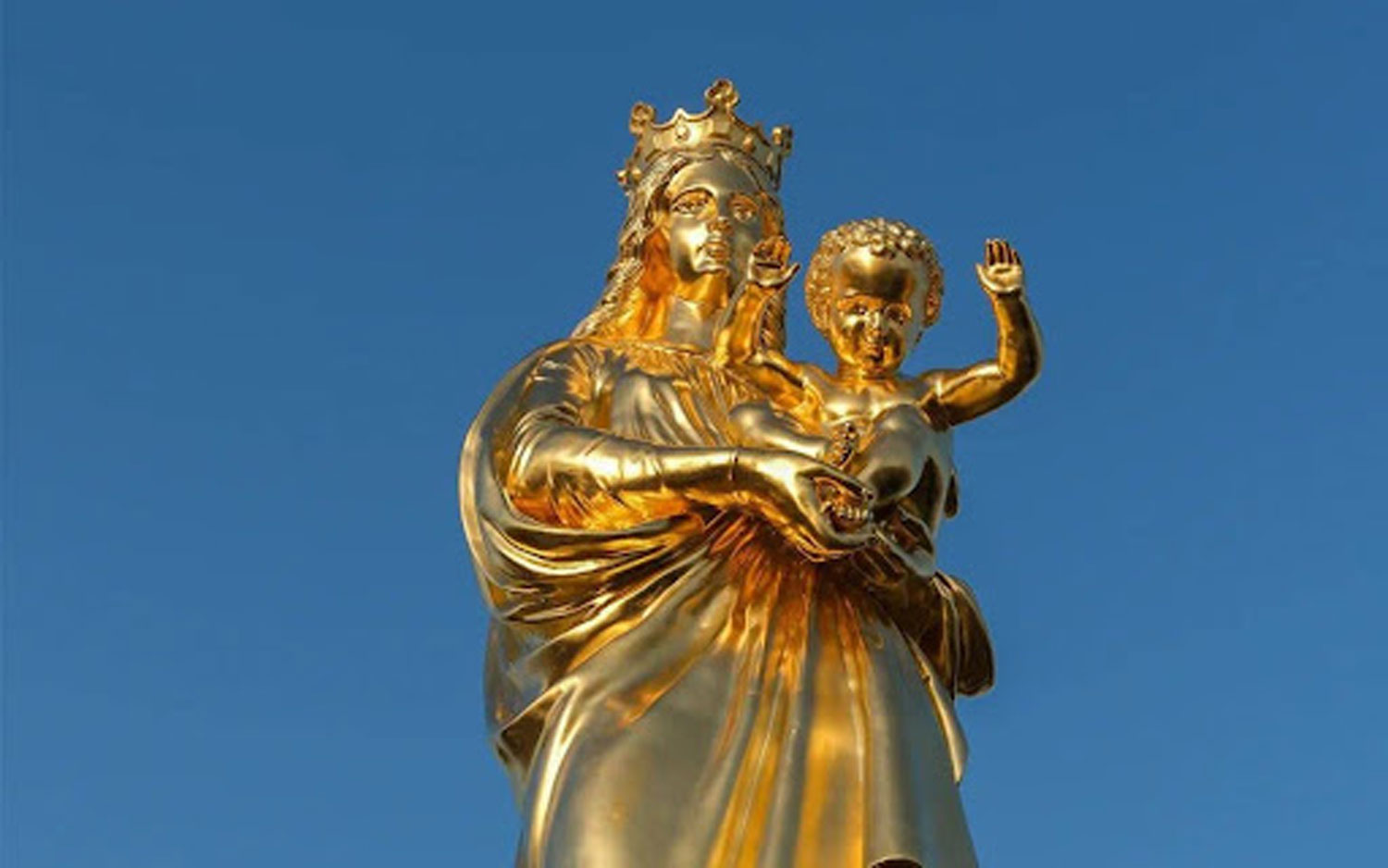
Perched on the heights of Marseille, a crowned Virgin watches over the city, the Child nestled against her breast. As a womb, a compass, and a North Star, she stands alone up there, overwhelming, seeming to bear the full weight of history’s misfortunes. It is against this singular, sanctified, and motionless “Bonne Mère” (“Good Mother”) that the Mucem exhibition—running through August 31—contrasts its “good mothers” in the plural.
By Houda Bensebaa
Curated by Caroline Chenu, a research fellow at Mucem, and Anne-Cécile Mailfert, president of the Fondation des Femmes, the exhibition “Bonnes Mères” explores the various forms of motherhood in the Mediterranean, encompassing both the collective imagination and the real lives of women. The timeline spans from the guardian figures of ancient cities to allegories of the motherland, all the way to pioneering figures who have shaped the Mediterranean region, from Umm Kulthum to Simone Veil: the voice that inspires and the law that empowers. The exhibition is comprehensive and accessible, focusing as much on artifacts from antiquity as on album covers and celebrity magazine covers.
The exhibition serves as a timely and accessible reminder to the general public of issues related to feminism and its various waves. It is specifically rooted in the writings of Simone de Beauvoir—and thus in the second wave of the movement during the 20th century. These struggles took place within a very specific historical context, one that crystallized the fight against the societal expectation of motherhood and the confinement of women to the sole role of childbearer. How, then, can we tell the many stories of motherhood without perpetuating a narrative that has itself confined women to this role?
The Bodies of Mothers
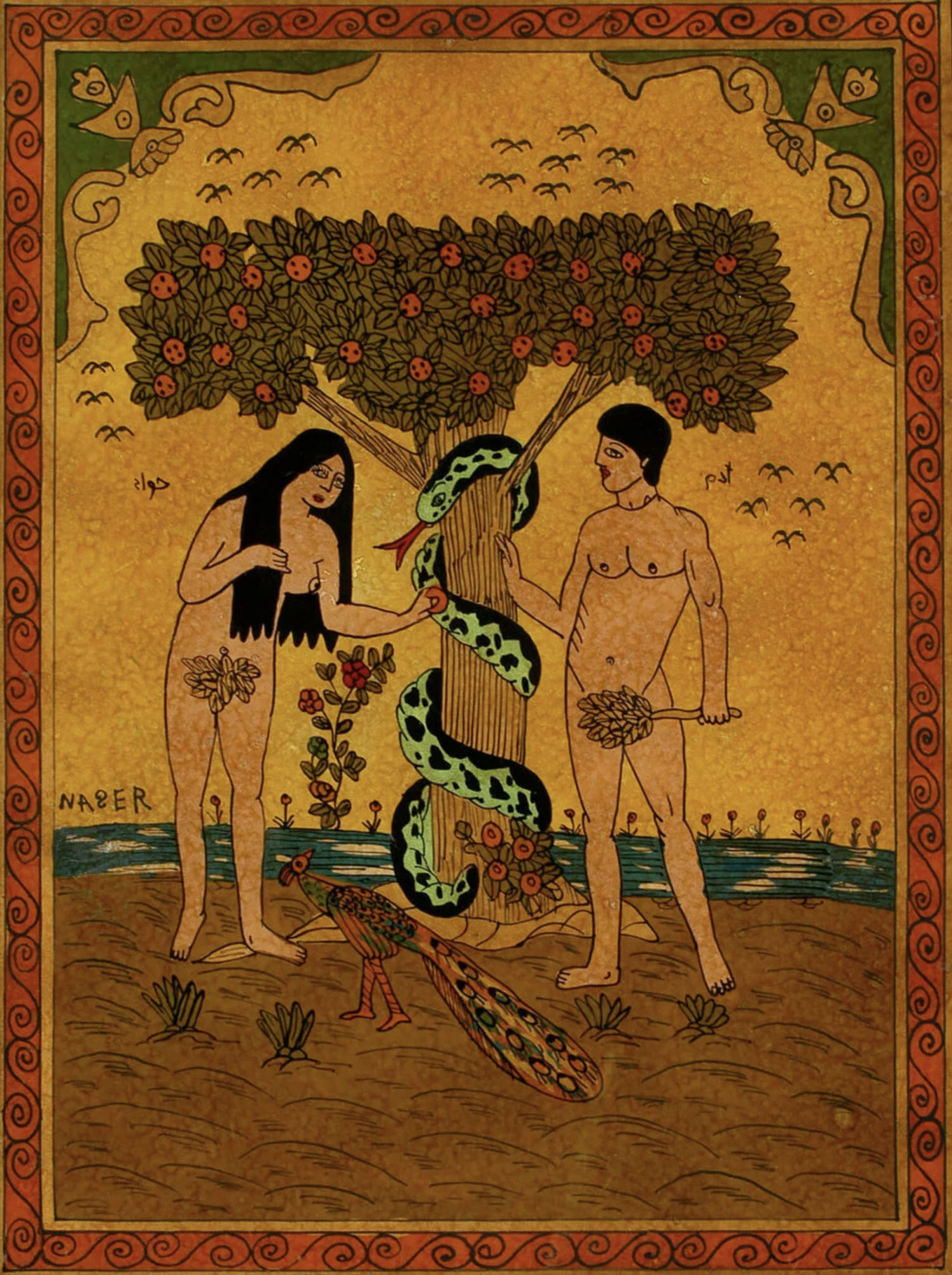
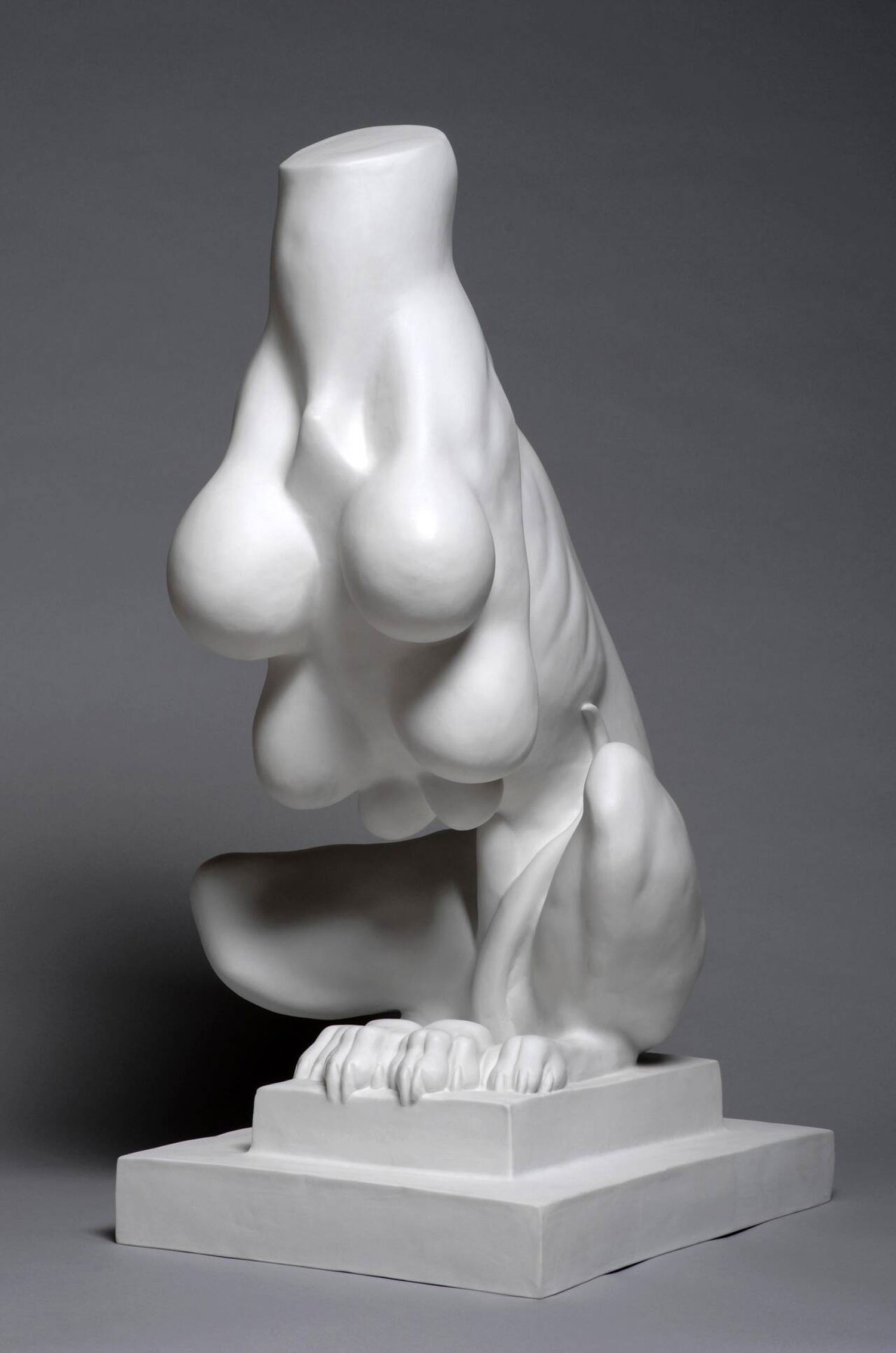
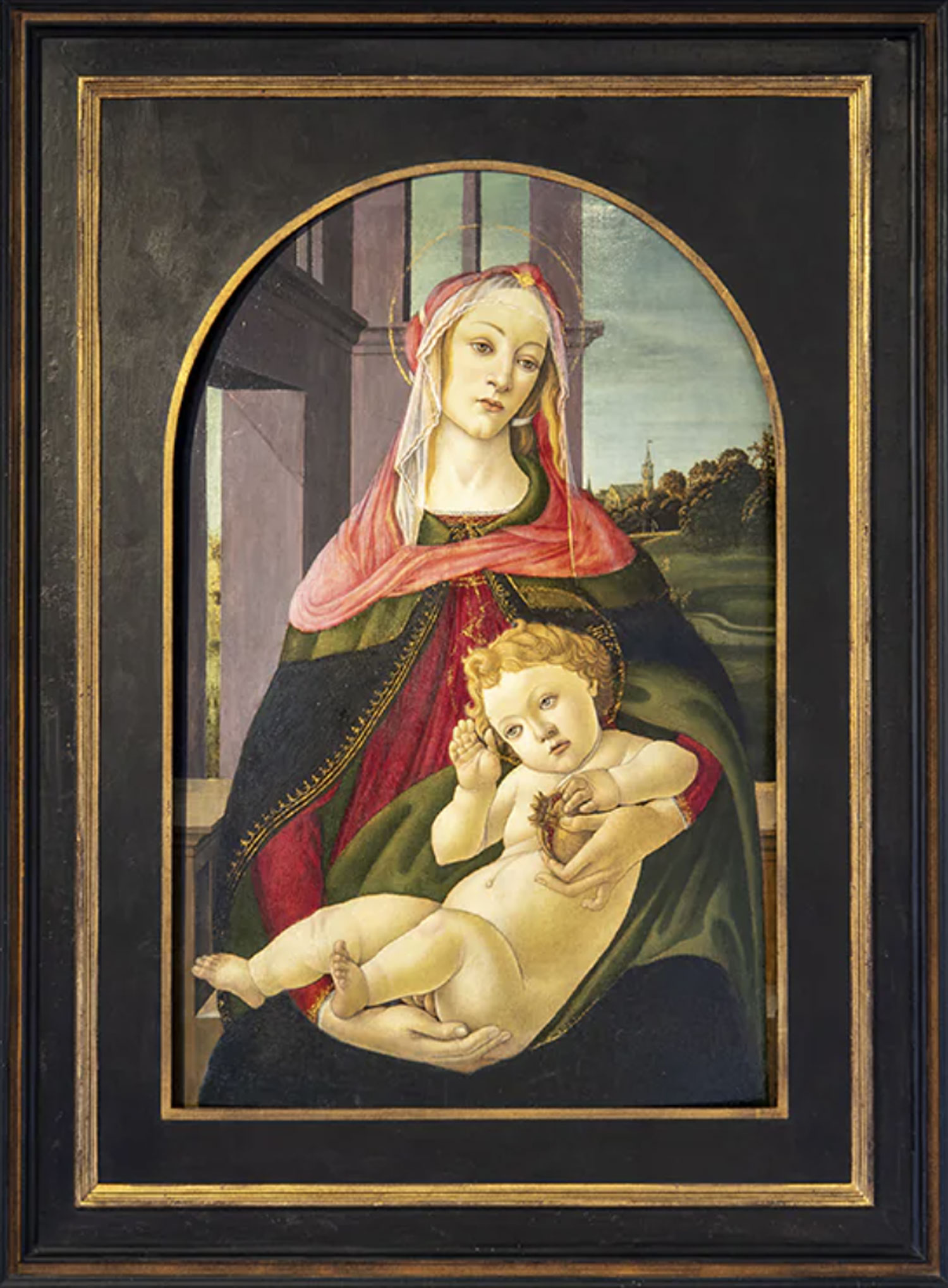
Here, the sacred mother finds her doubles and her fissures. A miniature painted on glass by Nasser Ellefi depicts Adam and Eve—the original mother, guilty of having listened to the serpent and thereby the mother of humanity—alongside Botticelli’s Virgin with the Pomegranate, whose fruit seals a destiny of sacrifice. Further on, a painting in the Shi’ite tradition depicts the family of Ali—his sons Hassan and Hussein—accompanied by Jibril, the angel of Revelation, and Fatima Zahra, nicknamed “the mother of her father.” Opposite it is Louise Bourgeois’s Nature Study: a headless body, bristling with nipples, the monstrous mother of an artist who, incidentally, never ceased to explore the figure of the mother spider until the motif was exhausted.
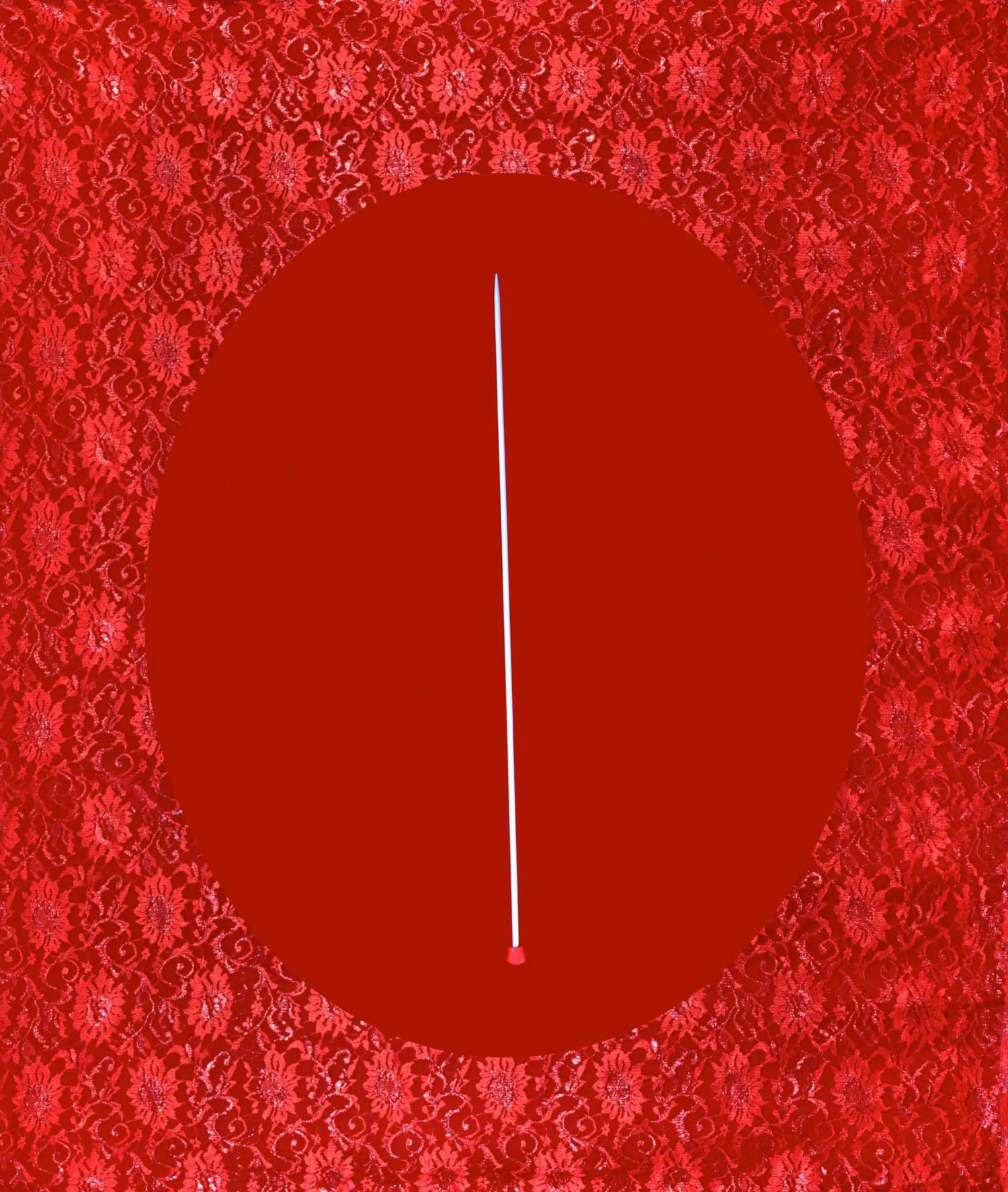
Nor does the exhibition shy away from the burden borne by the body. Fatima Mazmouz examines the objects that are part of women’s lives in the face of state control over their wombs; Laia Abril’s photograph of a coat hanger serves as a stark reminder of the dangers of clandestine abortion.
In line with the saying “It takes a village to raise a child,” Mediterranean motherhood finally sets itself apart from the contemporary nuclear family: In *C’était elle*, Yasmine Hadni paints a woman carrying a child who is not her own—those other mothers who pass on their legacy without having given birth.
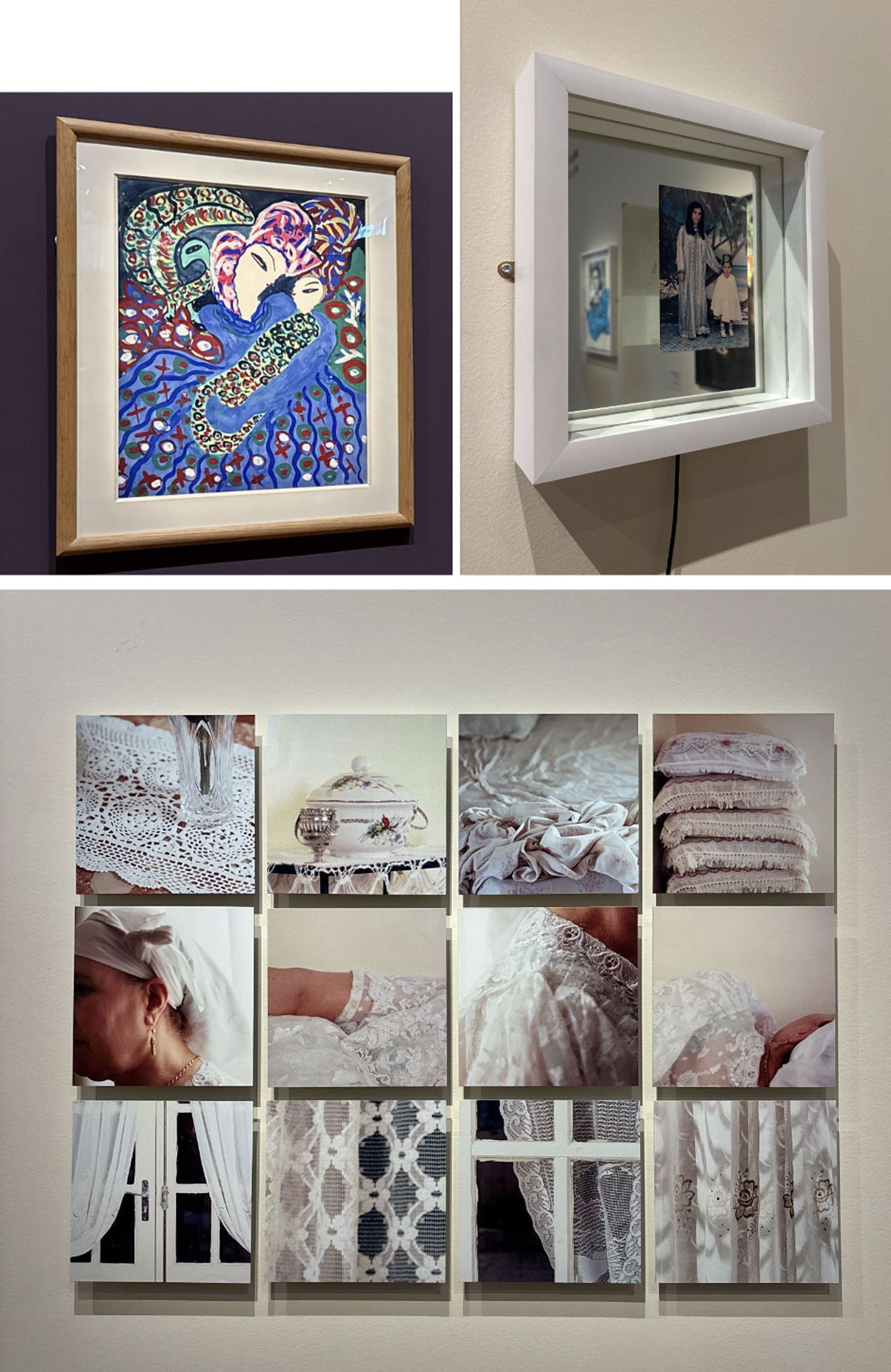
Among the many other works in the exhibition, Baya—who was orphaned at age five—painted a mother-and-child scene in the style of Persian miniatures at age sixteen, an allegory of a mother and her child exchanging glances. She says she tries, through the female figures that punctuate her work, to recapture the image of her own mother, who passed away too soon. Badr El Hammami captures, in sound photography, the tender gesture of a mother’s hand in a studio. Zineb Sedira, in My Mother’s House, speaks to the whiteness of the trousseau, and also to that of the house—a shroud, emptied of the children who have left, the sheets empty of those who will never return. Far from the hill, another solitude, another waiting.
“Bonnes Mères,” Mucem, Marseille, through August 31, 2026
This translation was generated using AI. For the original text, please see the French version of this article.